When your car begins to emit unusual noises, it’s crucial to diagnose the issue promptly. A failing exhaust manifold gasket often reveals itself through distinct sounds that indicate a disruption in the seal between the exhaust manifold and the cylinder head. Recognizing these signs early can prevent extensive vehicle damage and ensure your safety on the road.
What is an Exhaust Manifold Gasket and What is its Role?
The exhaust manifold gasket plays a pivotal role in the functionality of your vehicle’s engine. Positioned between the exhaust manifold and the engine’s cylinder head, its primary responsibility is to prevent exhaust gas leaks. By doing so, it guarantees that combustion byproducts are efficiently channeled from multiple cylinders into the exhaust system. This sealing component not only aids in emission control but also minimizes exhaust noise within the engine compartment.
The exhaust manifold, typically made of cast iron or stainless steel, collects exhaust gases from the cylinders before directing them through the rest of the exhaust system. It connects seamlessly with other essential components, such as flex pipes and crossover pipes.
What are the 5 Key Auditory and Performance Indicators of a Failing Exhaust Manifold Gasket?
Detecting a failing exhaust manifold gasket is often a matter of listening and observing specific signs. These indicators may become more pronounced during various engine conditions, forming the basis of your car’s health check.
1. What Specific Loud Noises Indicate a Gasket Failure?
One of the first signifiers of a failing gasket is a noticeable “ticking” or “tapping” sound, especially evident during a cold start. This metallic clicking often resonates from the engine bay, mimicking the sound of an exhaust leak. As the engine warms, thermal expansion may momentarily reduce this noise, but it often returns when accelerating or under load. Additionally, if you hear a persistent “hissing” sound, much like air escaping from a pressurized canister, it strongly indicates a gasket breach, producing a “puffing” rhythm noticeable from beneath the vehicle.
2. Does a Burning Smell Signify a Gasket Problem?
A distinct burning smell resembles burnt plastic or exhaust fumes can infiltrate the cabin, particularly with the HVAC system running. This occurs when hot exhaust gases escape through a compromised gasket, risking carbon monoxide exposure. The smell becomes particularly concerning when the vehicle is stationary or moving at low speeds, potentially leading to unsafe conditions.
3. How Does Reduced Engine Performance Manifest with a Bad Gasket?
Although subtle, a failing exhaust manifold gasket can lead to minor reductions in engine efficiency. You may experience a slight drop in fuel economy—typically between 2% to 5%, depending on the leak’s severity—and a noticeable loss of power during acceleration or while climbing inclines. Since the exhaust system is designed to efficiently channel combustion byproducts, any disruption in back pressure can impair engine performance and skew oxygen sensor readings.
4. Can Visible Exhaust Leaks be Detected?
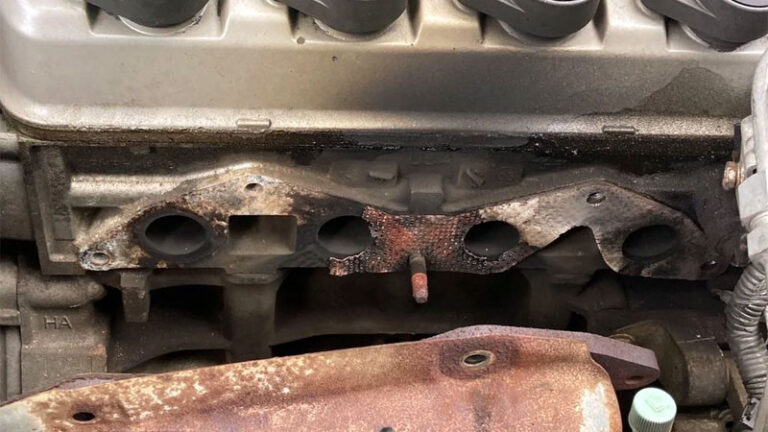
Physical inspection may reveal tangible signs of gasket failure. Black sooty residue around the exhaust manifold flange indicates exhaust gas leakage, marked by carbon deposits escaping the system. In more severe instances, you might notice white smoke emerging from the area, particularly evident during engine startups in colder conditions. Nearby components, like spark plug wires, could exhibit signs of damage due to excessive heat exposure.
5. What Role Does the Check Engine Light Play in Gasket Diagnostics?
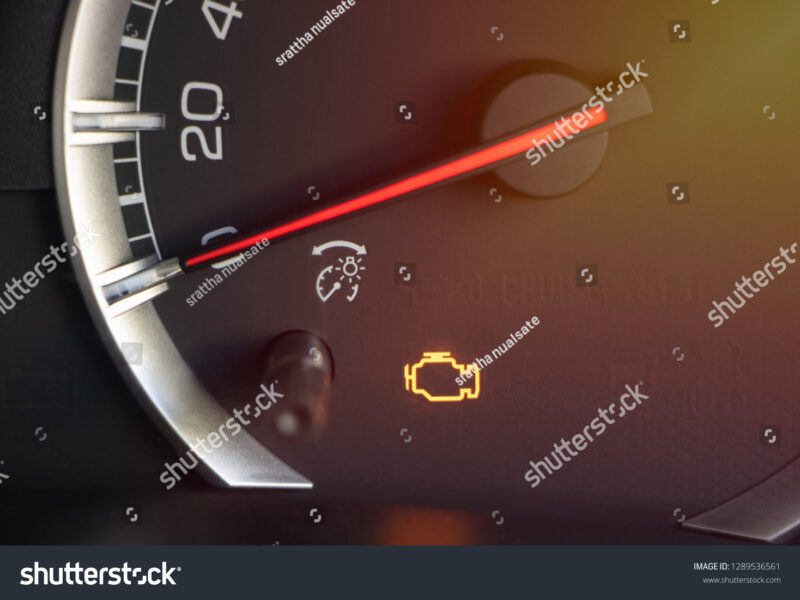
While minor gasket leaks may not trigger alerts, a significant failure could illuminate the Check Engine Light (CEL). This often happens when escaping exhaust gases disrupt the readings of downstream oxygen sensors, prompting the Powertrain Control Module (PCM) to detect improper air/fuel ratios or catalyst inefficiencies (codes like P0420 or P0430). An essential aspect of engine performance revolves around exhaust gas composition, and a breach before the oxygen sensors can introduce unmetered air, leading to lean conditions and potential misfires (P0300 codes).
What are the Potential Consequences of Ignoring a Failing Exhaust Manifold Gasket?
Ignoring the signs of a deteriorating exhaust manifold gasket can transform minor issues into costly repairs. Continuous exposure to hot, corrosive exhaust gases may accelerate the deterioration of surrounding components, including electrical wiring and vacuum lines. Prolonged neglect can damage vital emissions components like oxygen sensors and catalytic converters, primarily due to shifts in gas composition and temperature profiles.
Moreover, improper installation or neglect of the gasket can compromise overall vehicle functions, leading to excessive noise and reduced engine efficiency. The impact on engine performance and potential repair costs is comprehensively discussed in Manifold Mayhem: Recognizing and Fixing Common Exhaust Manifold Problems.
How Do Different Gasket Materials Compare in Durability and Cost?
| Gasket Material Type | Typical Composition | Thermal Resistance (Approx. °C) | Typical Durability (Years/Miles) | Average Cost (USD, Gasket Only) |
|---|---|---|---|---|
| Graphite Composite | Graphite sheets with steel core/aramid fibers | Up to 650°C (1200°F) | 5-8 years / 75,000-100,000 miles | $15 – $40 |
| Multi-Layer Steel (MLS) | Multiple layers of stainless/carbon steel with embossed beads | Up to 800°C (1472°F) | 8-12 years / 100,000-150,000 miles | $25 – $70 |
| Perforated Steel Core / Non-Asbestos Fiber | Asbestos-free fiber facing with steel core/galvanized steel layers | Up to 550°C (1022°F) | 3-6 years / 50,000-80,000 miles | $10 – $30 |
Frequently Asked Questions (FAQ)
Can a bad exhaust manifold gasket cause a misfire?
Yes, a significant exhaust leak, especially upstream of oxygen sensors, can disrupt the air-fuel ratio, leading to a lean condition and potential engine misfires (P0300 codes).
Is it safe to drive with a leaking exhaust manifold gasket?
No, driving with a leaking exhaust manifold gasket is unsafe as it poses the risk of carbon monoxide entering the vehicle cabin, which can lead to serious health hazards and long-term damage to engine components.
How much does it cost to replace an exhaust manifold gasket?
The average cost to replace an exhaust manifold gasket ranges from $150 to $500, including parts and labor, with labor typically comprising the larger portion of the expense.
What tools are required for exhaust manifold gasket replacement?
You will need standard tools such as a socket set, wrenches, a torque wrench for precise bolt application, a gasket scraper for cleaning surfaces, and penetrating fluid for rusted bolts.
How long do exhaust manifold gaskets typically last?
Exhaust manifold gaskets generally last between 75,000 to 150,000 miles, or 5 to 12 years, depending on factors like gasket material, engine operating conditions, and the quality of the initial installation.