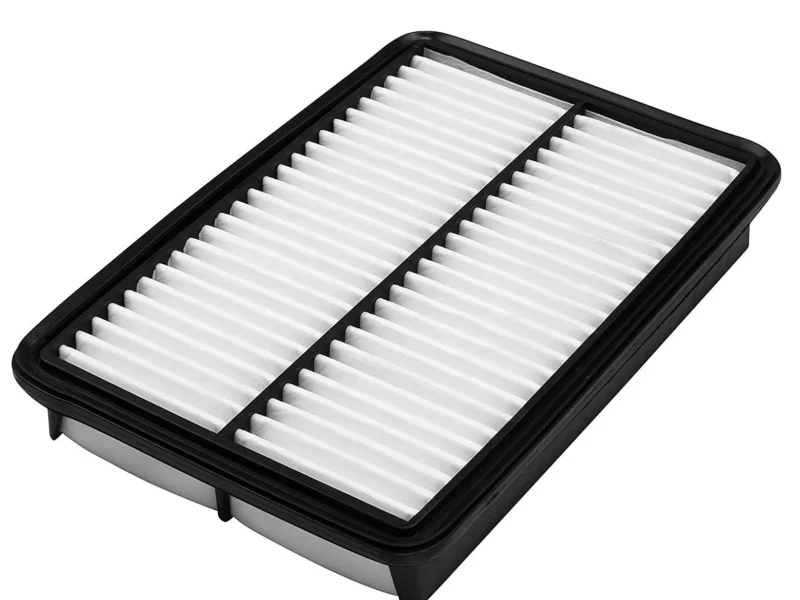
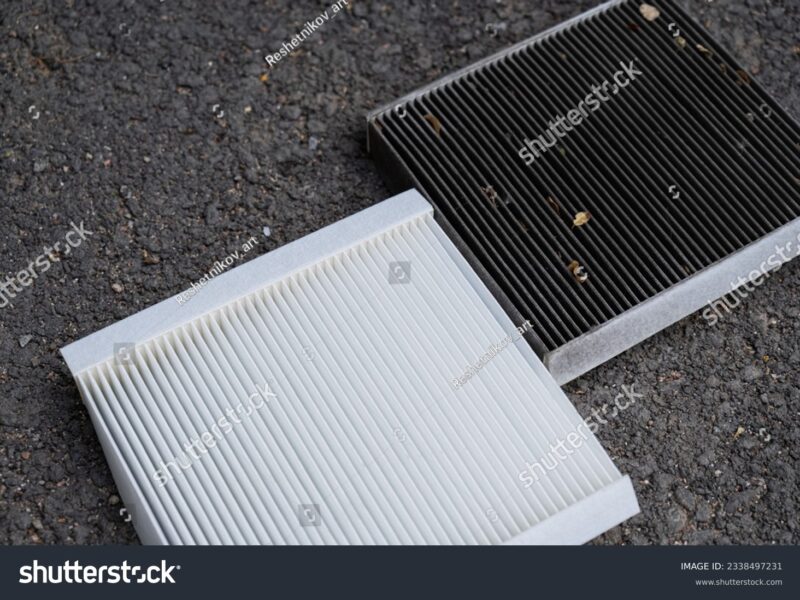
The cabin air filter plays a pivotal role in your vehicle’s heating, ventilation, and air conditioning (HVAC) system. It is specifically designed to purify the air that enters the passenger compartment, trapping airborne contaminants such as dust, pollen, mold spores, and exhaust fumes. When functioning properly, it ensures cleaner and healthier air for everyone inside the vehicle. However, a dirty cabin air filter can severely compromise HVAC performance, leading to inefficient operation and a decline in the overall air quality within the cabin.
What is a Cabin Air Filter and How Does it Function?
Integrating seamlessly into your vehicle’s ventilation system, the cabin air filter actively cleans the incoming external air before it circulates throughout the interior. This filtration process acts as a barrier against particulate matter, allergens, and unpleasant odors in the environment. Typically constructed from paper, synthetic fibers, or a blend that includes activated carbon, the filter media effectively blocks solid particles, while the activated carbon variants work to adsorb harmful gases and odors on a molecular level.
How Does a Clogged Cabin Air Filter Affect HVAC Performance?
When the cabin air filter becomes clogged, it directly disrupts the entire HVAC system’s operational efficiency. As debris, dust, and other contaminants accumulate, airflow resistance rises, compelling the system to work harder to maintain the desired climate. This excess strain often translates into diminished heating and cooling efficiency, elevated fuel consumption, and accelerated wear on critical components.
Does a Dirty Cabin Air Filter Reduce Airflow to the Cabin?
Absolutely. A dirty cabin air filter significantly restricts the volume of air entering the vehicle’s interior. When particulates obstruct the filter’s fibrous structure, it constricts the air passage, resulting in weakened airflow from the vents even when the fan operates at maximum speed. This restricted airflow hamstrings the effectiveness of both heating and air conditioning functions.
What is the Impact of a Clogged Filter on Blower Motor Longevity?
A clogged cabin air filter places excessive strain on the blower motor, which is responsible for pushing air through the HVAC system. To overcome the heightened airflow resistance, the motor must exert more effort, leading to increased electrical load and mechanical wear. Continuous overexertion can manifest as strange fan noises and, ultimately, early failure of the blower motor.
How Does Cabin Air Filter Condition Influence Air Quality Inside the Vehicle?
The state of your cabin air filter directly impacts the air quality within your vehicle. A dirty filter loses its effectiveness in capturing pollutants, allowing allergens, dust, and other irritants to circulate freely throughout the cabin. This degradation in air quality can worsen allergy symptoms, heighten respiratory issues for sensitive passengers, and lead to dust accumulation on interior surfaces. Moreover, blocked moisture and organic matter in a clogged filter can foster mold and bacteria growth, resulting in musty or stale odors coming from the vents.
| Characteristic | Clean Cabin Air Filter | Clogged Cabin Air Filter |
|---|---|---|
| Airflow to Cabin | Strong, consistent | Reduced, weak |
| HVAC Efficiency | Optimal cooling/heating | Diminished performance, slower temperature changes |
| Blower Motor Strain | Low, normal operation | Increased effort, potential for premature wear |
| Interior Air Quality | Clean, free of allergens and odors | Poor, increased dust, allergens, and odors |
| Defrost/Defogging | Fast, effective windshield clearing | Slow, ineffective moisture removal |
What Are the Common Symptoms of a Clogged Cabin Air Filter?
Recognizing the symptoms of a clogged cabin air filter is crucial for maintaining optimal vehicle performance. Key indicators include reduced airflow from the vents—even at maximum fan speed—and the presence of musty or stale odors when the AC or heater is in use. Additionally, visible dust accumulation on the dashboard and other interior surfaces, coupled with increased fan noise without improved airflow, are further warning signs. In colder weather, ineffective defrosting can also indicate a dirty filter struggling to clear moisture from the windshield.
When Should a Cabin Air Filter Be Replaced?
Typically, a cabin air filter should be replaced every 15,000 to 30,000 miles—or about once per year. However, these recommendations can vary based on the vehicle manufacturer, so always consult your owner’s manual. Factors like driving in dusty areas, heavily polluted urban zones, or regions with high pollen counts may necessitate more frequent replacements to ensure top-notch filtration and HVAC performance. Regularly inspecting the filter for visible debris and discoloration can also assist in determining whether an earlier replacement is needed. For further guidance on filter types, refer to our article on Carbon vs. Particulate: Choosing the Best Cabin Air Filter for Your Car. If you prefer a DIY approach, check out our DIY Guide: Replace Your Car’s Cabin Air Filter in 15 Minutes for step-by-step instructions.
Can a clogged cabin air filter cause a car’s AC to blow warm air?
Yes, a clogged cabin air filter can drastically impair your car’s air conditioning performance, potentially forcing it to blow warmer air than anticipated. The restricted airflow compels the AC system to exert more effort, reducing its ability to circulate cool air effectively and resulting in lukewarm output. This increased load can also prolong running times without achieving the desired interior temperature.
What are the long-term consequences of neglecting cabin air filter replacement?
Neglecting to replace the cabin air filter regularly can lead to several long-term consequences. These include a shorter lifespan for the HVAC system due to greater strain on components like the blower motor, persistent poor air quality affecting occupant health, chronic unpleasant odors resulting from microbial growth, and reduced fuel efficiency as the HVAC system requires more engine power. Furthermore, extensive clogging can hinder defrosting capabilities, creating a visibility hazard.
Is a cabin air filter the same as an engine air filter?
No, a cabin air filter serves a different purpose than an engine air filter, though both are vital for your vehicle’s functionality. The cabin air filter is designed to purify the air entering the passenger compartment, ensuring the comfort and health of occupants. Conversely, the engine air filter cleans the air that enters the engine’s combustion chamber, safeguarding internal engine components from contaminants like dirt and debris to maintain optimal performance and longevity. To learn more about the significance of engine air filtration, check out “The Risks You Run: Can You Really Drive Without a Car Air Filter?”