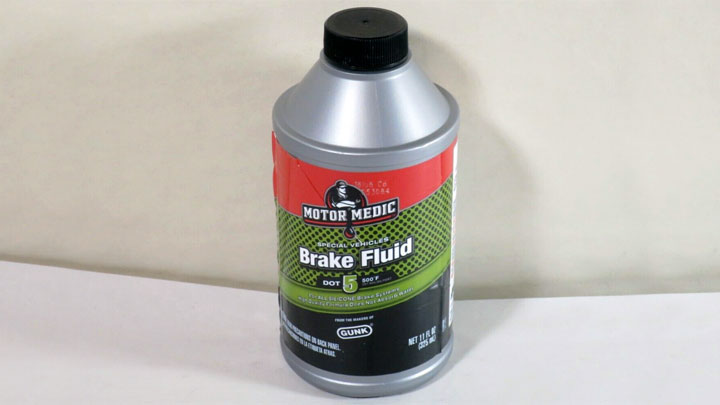
Brake fluid serves as the vital hydraulic lifeblood of your vehicle’s braking system. It efficiently transfers the force from the brake pedal to the wheel-end brake mechanisms, ensuring that your vehicle slows down or stops effectively. Operating within a closed hydraulic system, it not only lubricates critical components but also prevents corrosion, making the characteristics of brake fluid essential for both safety and braking efficiency.
What are the Fundamental Differences Between DOT 3 and DOT 4 Brake Fluid?
When discussing the critical differences between DOT 3 and DOT 4 brake fluid, the focus primarily revolves around their boiling points, chemical compositions, and viscosities. These factors influence their appropriateness for various vehicle types and driving conditions, directly affecting the performance and longevity of braking systems.
How Does Boiling Point Affect Brake Fluid Performance?
The boiling point is an essential aspect of brake fluid, characterized by two measurements: dry boiling point, which accounts for fluid without moisture, and wet boiling point, reflecting fluid with 3.7% water content by volume. When brake fluid reaches its boiling point, it creates compressible vapor bubbles in the brake lines. This can lead to a spongy pedal feel and significantly decrease braking effectiveness, a condition popularly known as “brake fade.” In comparison, DOT 4 brake fluid boasts higher dry and wet boiling points than DOT 3, which provides superior resistance to brake fade under demanding conditions. The Department of Transportation (DOT) establishes minimum boiling point standards for these classifications.
What is the Chemical Composition of DOT 3 and DOT 4 Fluids?
Both DOT 3 and DOT 4 brake fluids share a glycol-ether base, indicating they are chemically similar and inherently hygroscopic, meaning they absorb moisture from the environment over time. This moisture absorption gradually lowers their boiling points. Though both fluids share that glycol-ether foundation, DOT 4 further includes boron esters, enhancing its thermal stability and resulting in higher boiling points. This chemical advantage positions DOT 4 for superior performance during high-heat scenarios, outpacing DOT 3.
How Does Viscosity Differ Between DOT 3 and DOT 4?
Viscosity, the measure of a fluid’s resistance to flow, is crucial for brake fluid, particularly in vehicles equipped with modern safety systems like Anti-lock Braking Systems (ABS), Traction Control Systems (TCS), and Electronic Stability Control (ESC). These systems depend on the swift movement of fluid to regulate brake pressure. Typically, DOT 4 has a slightly higher viscosity than DOT 3, although both remain within functional parameters for most standard systems. Innovative low-viscosity DOT 4 variants are expressly designed for advanced braking systems that require precise and rapid adjustments.
What are the Performance Characteristics of DOT 3 Brake Fluid?
DOT 3 brake fluid meets the fundamental performance requirements for most standard passenger vehicles manufactured before the rise of advanced braking systems. Boasting a dry boiling point of at least 205°C (401°F) and a wet boiling point no lower than 140°C (284°F), this formulation sufficiently facilitates hydraulic pressure transfer and corrosion protection for typical driving conditions. It is ideal for vehicles that do not regularly encounter extreme brake temperature environments.
What are the Performance Characteristics of DOT 4 Brake Fluid?
DOT 4 brake fluid excels in thermal stability, featuring higher boiling points that make it suitable for more demanding applications. With a minimum dry boiling point of 230°C (446°F) and a wet boiling point of at least 155°C (311°F), its inclusion of boron esters enables DOT 4 to sustain its performance characteristics more effectively under prolonged high temperatures. This makes it particularly advantageous for spirited driving, towing, or vehicles designed for higher performance. As a result, it is the choice of many modern vehicles facing significant braking stress.
When Should You Choose DOT 3 or DOT 4 Brake Fluid for Your Vehicle?
Your choice between DOT 3 and DOT 4 brake fluid hinges not only on the vehicle manufacturer’s recommendations but also on the intended use of the vehicle and its braking system design. It’s crucial to adhere to manufacturer specifications to ensure optimal braking performance and system compatibility. Using the incorrect fluid can jeopardize system integrity and safety, akin to ignoring the impacts of short drives on your car battery’s health and longevity.
Is DOT 3 Brake Fluid Suitable for Older Vehicles?
Absolutely, DOT 3 brake fluid is generally suitable for older vehicles crafted before the year 2000, where it was typically recommended. While substituting with DOT 4 is often safe due to their similar glycol-ether bases, the benefits may be minimal unless the vehicle frequently experiences high-heat braking situations. Always refer to the vehicle’s owner’s manual for specific guidance.
Is DOT 4 Brake Fluid Required for High-Performance Applications?
In high-performance scenarios—like track driving, heavy towing, or in vehicles with larger brake systems that generate substantial heat—DOT 4 brake fluid is highly recommended or even required. Its elevated boiling points extend the safety margin against brake fade. Many modern vehicles, especially European and sport models, recommend DOT 4 fluid straight from the factory, optimizing their braking systems’ design and performance. Failing to adhere to these recommendations can lead to serious safety risks, similar to neglecting the critical overview of driving without a car air filter.
Can DOT 3 and DOT 4 Brake Fluids Be Mixed?
DOT 3 and DOT 4 brake fluids are chemically compatible, allowing for mixing without immediate damage to braking system components. However, blending these fluids results in an average boiling point lower than that of pure DOT 4, which may reduce overall performance. For optimal effectiveness, it is always preferable to use the same type of brake fluid as originally specified or to conduct a complete system flush when switching fluid types.
What are the Maintenance Considerations for Brake Fluid?
Brake fluid’s hygroscopic nature means it will absorb moisture over time, which drastically lowers the fluid’s boiling point and elevates the risk of brake fade. Therefore, regular brake fluid flushes every two to three years are essential. This keeps the system free from contamination by replacing old fluid with fresh fluid that meets or exceeds the specified dry boiling point, thereby maintaining the integrity and safety of the braking system throughout the vehicle’s life.
| Attribute | DOT 3 Brake Fluid | DOT 4 Brake Fluid |
|---|---|---|
| Chemical Base | Glycol-ether | Glycol-ether with Boron Esters |
| Minimum Dry Boiling Point | 205°C (401°F) | 230°C (446°F) |
| Minimum Wet Boiling Point | 140°C (284°F) | 155°C (311°F) |
| Hygroscopic Nature | Yes | Yes |
| Compatibility | Generally compatible with DOT 4, not with DOT 5 | Generally compatible with DOT 3, not with DOT 5 |
| Typical Use | Standard passenger vehicles, older models | Modern passenger vehicles, performance cars, heavy-duty applications |
| Cost | Generally less expensive | Generally more expensive |
How often should brake fluid be changed?
Typically, brake fluid should be changed every two to three years or based on your vehicle manufacturer’s recommendations. This interval can vary depending on driving conditions and climate. Regular maintenance is key to preventing moisture absorption and ensuring optimal braking performance.
What happens if I use the wrong brake fluid?
Using the incorrect brake fluid can lead to severe consequences, such as seal degradation and complete failure of brake components, potentially resulting in total braking failure. While mixing DOT 3 and DOT 4 is generally safe, it can dilute the higher-grade fluid’s performance, diminishing its effectiveness.
Does brake fluid impact ABS system performance?
Yes, brake fluid plays a significant role in the functionality of the ABS system, particularly concerning its viscosity. Advanced braking systems like ABS rely on rapid fluid movement to adjust brake pressure. Utilizing fluid with inappropriate viscosity or degraded properties can hinder the system’s responsiveness, compromising its effectiveness in preventing wheel lock-up during emergency braking situations. Most modern systems now recommend using low-viscosity (LV) DOT 4 or DOT 5.1 fluids to maintain peak function.