Testing the moisture content in brake fluid is not just a routine maintenance step; it’s an essential part of ensuring your vehicle’s safety and braking performance. By using specialized tools, you can accurately measure the percentage of water absorbed by hygroscopic glycol-based brake fluids, which are typically classified as DOT 3, DOT 4, or DOT 5.1. When moisture infiltrates the brake fluid, it compromises its integrity, leading to a reduced boiling point and accelerated corrosion of crucial braking components.
Understanding the implications of moisture in brake fluid is vital. The longer you postpone testing, the greater the risk of internal corrosion, which can threaten not only your vehicle’s performance but also your safety on the road. As temperatures escalate during braking, the presence of moisture can lead to dangerous situations if left unchecked.
What Methods Are Available to Accurately Test Brake Fluid Moisture Content?
To gauge brake fluid moisture content accurately, two primary testing methods stand out: electronic brake fluid testers and chemical test strips. Each method provides unique advantages for evaluating the condition of your brake fluid.
How Do Electronic Brake Fluid Testers Work?
Electronic brake fluid testers, often called conductivity test pens, assess the fluid’s moisture level by measuring its electrical conductivity. Because water has a much higher conductivity than glycol-based brake fluids, increased conductivity signals a rise in moisture content. Typically, these testers are fitted with a probe that you immerse into the brake fluid in the master cylinder reservoir. Results are usually displayed via color-coded LED indicators: green for acceptable moisture levels (less than 1%), yellow for caution (1-2%), and red indicating critical levels (above 3%), which necessitates immediate fluid replacement.
For instance, models like the TESMEN TBF-300 or AUTOOL AS502 show digital readouts of the water percentage in DOT 3, DOT 4, and DOT 5.1 fluids. However, while electronic testers are user-friendly and quick, their accuracy can vary, particularly at lower moisture levels. To ensure safety, it is advisable to conduct multiple tests and rely on the highest reading obtained.
Are Brake Fluid Test Strips Reliable for Moisture Detection?
Brake fluid test strips offer a chemical approach to evaluating fluid condition, focusing primarily on copper levels rather than directly measuring moisture. The presence of copper indicates internal corrosion since it leaches from copper alloy brake lines as they corrode. Using the strips is simple: dip one into the brake fluid for 30 to 120 seconds, then compare the resulting color against a color chart provided in the packaging.
Though economical and convenient for quick assessments, test strips do not directly measure water content. Instead, a copper reading of 200 PPM (parts per million) or higher typically signals that the fluid’s corrosion inhibitors are depleted, prompting a necessary system flush—even if the moisture percentage appears acceptable. These test strips can be an excellent conversation starter concerning brake fluid maintenance.
What Are the Acceptable Moisture Thresholds for Brake Fluid?
The moisture thresholds for brake fluid are outlined by Department of Transportation (DOT) standards, which emphasize boiling point characteristics. Being hygroscopic, brake fluid absorbs atmospheric moisture over time, resulting in a significant reduction of its boiling point. The “dry boiling point” represents fresh fluid, while the “wet boiling point” is assessed after the fluid has absorbed a standardized 3.7% water content. A drop in boiling point directly leads to decreased braking efficacy and increases the risk of vapor lock, as discussed in our article on Understanding Brake Fluid Boiling Point: Why It Matters for Performance and Safety.
General automotive guidelines recommend replacing brake fluid when moisture content exceeds 3%. For instance, a vehicle that is two years old often has 2-3% water in its brake fluid. This small amount—just 2% water—can reduce the boiling point of DOT 3 fluid by roughly 135°F (75°C), and DOT 4 fluid by 81°F (45°C). In vehicles subject to towing, mountainous driving, or high-speed braking, it’s advisable to replace brake fluid when moisture content reaches 2% or lower.
How Does High Moisture Content Lead to Internal Corrosion in the Brake System?
Elevated moisture content in brake fluid serves as a catalyst for internal corrosion within the hydraulic braking system. Water transforms the brake fluid into an electrolytic medium, fostering an environment conducive to galvanic corrosion. This corrosive action adversely affects essential metal components such as the master cylinder, brake calipers, and steel brake lines, precipitating rust and pitting on internal surfaces.
Corrosion can manifest as rough caliper pistons that seize, preventing brake pads from retracting, which leads to constant brake drag. Additionally, the corrosion can deteriorate the internal bore walls of the master cylinder, causing rubber piston seals to wear down prematurely and lose their ability to seal effectively, resulting in internal fluid bypass and a dangerously sinking brake pedal. Such compromised components can also develop leaks, severely impacting vehicle safety, as elaborated in The Ultimate Guide to Diagnosing and Fixing Brake Fluid Leaks Safely. Microscopic rust flakes can obstruct narrow passages and solenoid valves within the intricacies of ABS/ESC hydraulic units, leading to catastrophic failures.
| Feature | Electronic Brake Fluid Tester (Conductivity) | Brake Fluid Test Strips (Copper) | Boiling Point Tester (Specialized) |
|---|---|---|---|
| Detection Mechanism | Measures electrical conductivity, directly indicating water content. | Detects copper ion concentration, indicating corrosion. | Heats fluid sample to determine actual boiling point. |
| Output | Percentage of water content (e.g., 0-4%) or LED color codes. | Parts per million (PPM) of copper, via color comparison. | Actual boiling point in degrees Fahrenheit/Celsius. |
| Accuracy | Generally good for critical levels (>3%); can vary with fluid type/brand. | Indicative of corrosion, not direct moisture percentage; good screening tool. | Highly accurate as it directly measures performance parameter. |
| Cost Range | Typically $10 – $40. | Approximately $0.50 – $1.00 per strip. | Higher, often over $100. |
| Ease of Use | Very easy: dip probe, read display. | Easy: dip strip, wait, compare color. | Requires sample extraction and heating; more involved. |
| Primary Indication | Immediate water contamination level. | Presence of system corrosion and inhibitor depletion. | Fluid’s resistance to vapor lock. |
What Are the Practical Steps for Testing Brake Fluid Moisture?
To perform an accurate brake fluid moisture test, follow these specific steps:
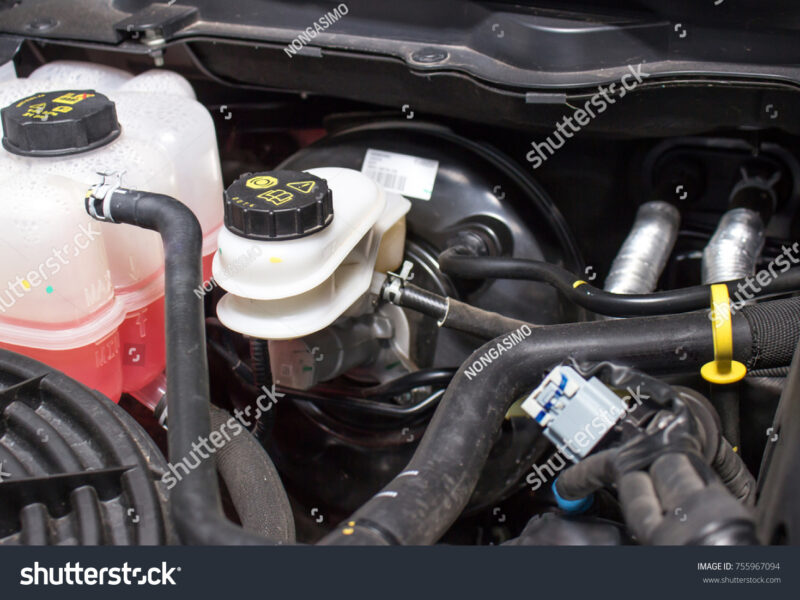
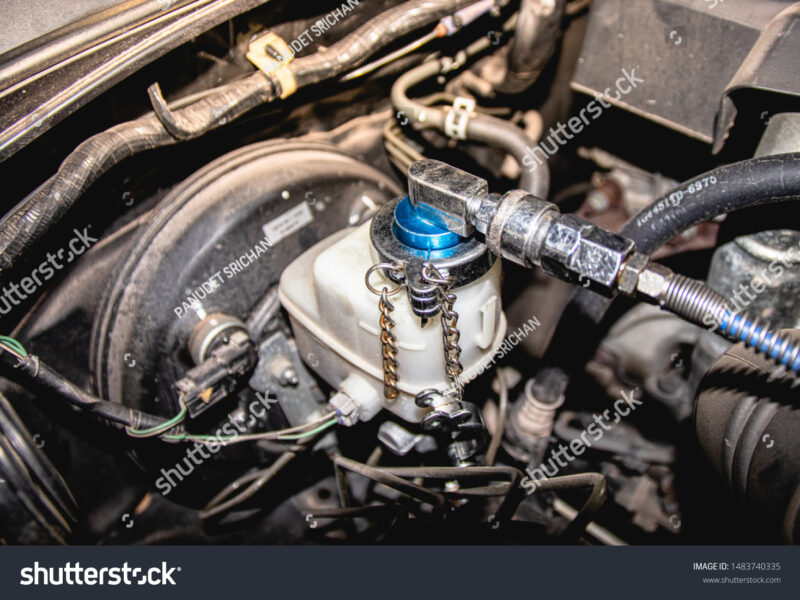
- Locate the Brake Fluid Reservoir: The brake fluid reservoir is typically located under the hood, mounted on the master cylinder. Check your vehicle’s owner’s manual for its precise location.
- Prepare for Testing: Ensure the engine is cold for consistent readings and clean any dirt or debris around the reservoir cap to avoid contamination.
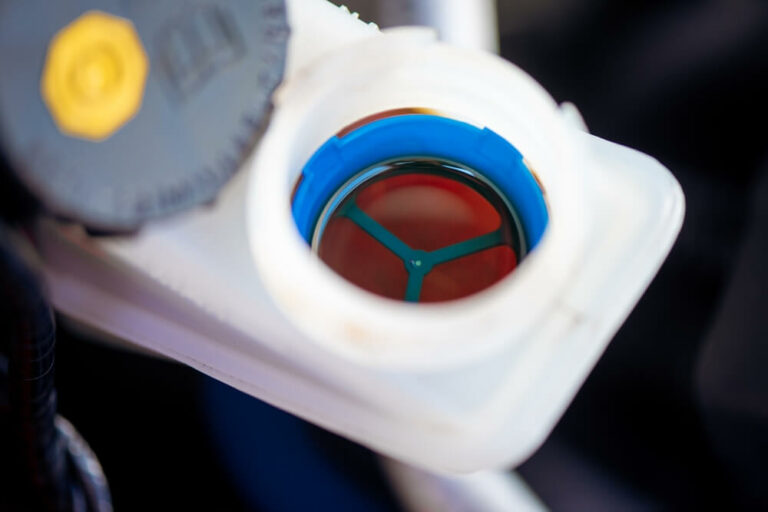
- Perform the Test with an Electronic Meter: Carefully remove the reservoir cap. Select the appropriate DOT fluid type on your electronic tester (e.g., DOT 3, DOT 4, DOT 5.1). Immerse the tester’s probe into the brake fluid, ensuring that the electrodes are completely submerged but do not touch the bottom or sides of the reservoir. Allow a few seconds for the reading to stabilize, and note the displayed percentage or LED indicator.
- Perform the Test with Test Strips (Optional, for Corrosion): If using test strips for copper detection, dip a strip into the fluid for the manufacturer-specified time, usually between 30-120 seconds. Remove the strip and compare its color change to the chart provided in the packaging to determine copper concentration in PPM.
- Interpret Results and Act: If the electronic tester shows moisture content at or above 3%, or if test strips indicate copper levels of 200 PPM or higher, it is crucial to conduct a full brake fluid flush and replacement immediately. Ensure to securely reattach the reservoir cap after testing to prevent further moisture absorption.
How Does Moisture Affect Brake System Performance Beyond Corrosion?
Moisture in brake fluid doesn’t just accelerate corrosion; it significantly undermines the overall performance of the hydraulic system, affecting the effectiveness of the brake pedal. As water accumulates, it considerably lowers the boiling point of the fluid. Even a mere 1% of water can reduce a fluid’s boiling point by up to 174°F (96.6°C). This poses a significant risk when the fluid heats up during braking—especially under heavy usage or traffic, where moisture can boil and form compressible gas bubbles. This dangerous occurrence, known as vapor lock, leads to a critical reduction in hydraulic pressure. The result? A brake pedal that feels dangerously soft or “spongy,” requiring excessive travel to engage effectively, as highlighted in our article on 7 Dangerous Symptoms of Low Brake Fluid You Should Never Ignore. This condition jeopardizes the vehicle’s stopping power and safety.
The increased compressibility caused by vapor lock directly reduces braking efficiency and extends stopping distances, posing a significant safety hazard. Furthermore, the protective properties of brake fluid are compromised, leading to accelerated wear of seals and internal surfaces, resulting in more extensive and costly repairs over time.
Frequently Asked Questions
How often should brake fluid moisture be checked?
Brake fluid moisture should be checked annually, or every 12,000 to 15,000 miles, to ensure optimal performance and prevent corrosion. Many manufacturers advocate for fluid replacement every 2-3 years, regardless of mileage.
Can I replace brake fluid myself if it has too much moisture?
While it’s possible for seasoned DIYers, performing a full brake fluid flush requires specialized tools to bleed the entire hydraulic system properly, preventing air entrapment that can lead to a spongy brake pedal. Consulting a professional is highly recommended.
What type of brake fluid is most resistant to moisture absorption?
DOT 5 (silicone-based) brake fluid is hydrophobic and does not absorb water, providing resistance to moisture. However, it is incompatible with most modern ABS systems and glycol-based fluids, and should never be mixed with DOT 3, 4, or 5.1.
Does brake fluid color indicate moisture content?
No, brake fluid color is not a reliable indicator of moisture content. While fluid can darken due to oxidation or wear, its appearance does not correlate with water absorption; transparent new fluid can still absorb moisture over time.