Cleaning car battery corrosion can range in cost from $37 to $80 for professional services, or as little as $1 to $30 if tackled via a do-it-yourself (DIY) approach. The variation in cost often depends on the severity of the corrosion and whether specialized cleaning tools are acquired. Addressing battery corrosion is essential to ensure the optimal functioning of your vehicle, as it hinders electrical flow, leading to starting difficulties, dim headlights, and a shortened battery lifespan.
What is Car Battery Corrosion and Why Does it Occur?
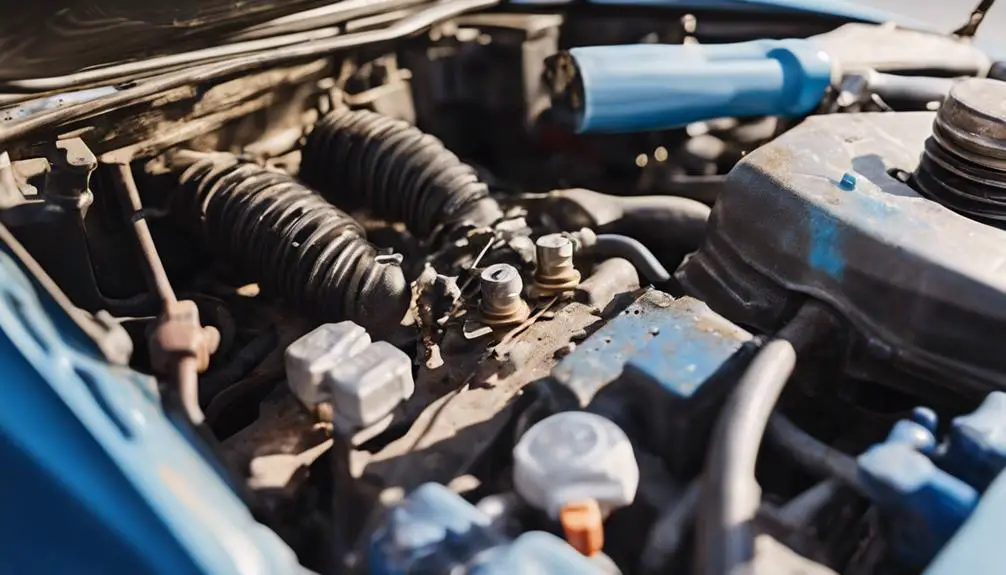
Car battery corrosion appears as a white, blue, or greenish powdery or crystalline accumulation on battery posts, terminals, or cables. This chemical reaction primarily occurs when sulfuric acid vapor and hydrogen gas released from the battery come into contact with oxygen in the air and metal components, such as copper clamps, resulting in lead sulfate and copper sulfate formations. Factors such as overcharging, leaking fluids, cracked cases, and natural battery aging can accelerate this damaging process.
Corrosion introduces increased electrical resistance, significantly hindering the efficient transfer of power from the battery to the vehicle’s electrical system. This reduction in conductivity affects components reliant on the 12-volt (12V) system, including the starter motor and various electronic accessories.
What is the Average Cost of Professional Car Battery Corrosion Cleaning?
For professional car battery terminal cleaning services, the average cost generally falls between $37 and $80. This figure mainly covers labor costs, as cleaning materials are typically affordable. As of 2026, independent auto repair shops may charge between $120 and $159 per hour for labor, with rates in areas like California reaching $155 to $200. Dealerships usually charge 25% or more above independent shops due to specialized equipment and higher overhead costs.
What Do Professional Battery Corrosion Cleaning Services Typically Include?
Professional battery corrosion cleaning services often encompass a comprehensive cleaning of battery terminals and posts to ensure secure connections. Technicians will disconnect battery cables, eliminate visible corrosion with specialized cleaners, and inspect for potential underlying issues such as damaged cables or an overcharging alternator. The process typically concludes with the application of an anti-corrosion spray or dielectric grease to mitigate future buildup. Some services may also offer a complete battery inspection to verify proper charge and electrolyte levels, when applicable.
How Much Does DIY Car Battery Corrosion Cleaning Cost?
Embarking on a DIY car battery corrosion cleaning is significantly more budget-friendly, costing approximately $1 to $30 for materials. The most straightforward DIY method utilizes baking soda, a common household item priced at around $1-2 per box, which can cleanse terminals multiple times. If additional cleaning tools and protective sprays are procured, expenses could rise to about $30.
What Tools and Materials Are Required for DIY Battery Corrosion Cleaning?
To effectively clean battery corrosion on your own, the essential tools and materials include safety goggles, chemical-resistant gloves, a wrench (typically 10mm or 12mm for terminal bolts), a wire brush, baking soda, warm water, and a clean cloth. Optional but beneficial items may include a battery terminal cleaner spray (often with an acid indicator), anti-corrosion washers, and dielectric grease or petroleum jelly for preventive measures.
| Factor | Professional Service | DIY Method (Basic) | DIY Method (Advanced Kit) |
|---|---|---|---|
| Estimated Cost | $37 – $80 (labor only) | $1 – $5 (materials) | $15 – $30 (materials & tools) |
| Time Required | Typically 30-60 minutes | 15-30 minutes | 30-45 minutes |
| Tools Required | Specialized garage tools, multimeter, torque wrench | Wrench, wire brush, mixing container, old toothbrush | Wrench, battery terminal brush, cleaner spray, protectant spray, anti-corrosion washers |
| Expertise Level | Certified technician | Basic automotive knowledge, adherence to safety protocols | Moderate automotive knowledge, adherence to safety protocols |
| Typical Outcome | Thorough cleaning, professional inspection, prevention application, potential diagnosis of underlying issues | Effective removal of visible corrosion, improved conductivity | Effective removal of visible corrosion, improved conductivity, enhanced long-term prevention |
What Are the Key Differences Between Professional and DIY Battery Corrosion Cleaning Methods?
The essential distinction lies in the depth of service and resources utilized. Professional cleaning includes a technician’s diagnostic expertise, capable of identifying issues like a failing alternator that could contribute to corrosion. In contrast, DIY methods, while cost-effective, depend entirely on the owner’s knowledge and capability to spot and address potential problems. Professional services typically involve specific processes such as using a foaming acid indicator cleaner, thorough scrubbing with specialized brushes, and the application of a robust terminal protectant. On the other hand, DIY cleaning often utilizes a baking soda solution that, when applied carefully, effectively neutralizes sulfuric acid but requires diligent application and rinsing.
When Should You Consider Cleaning Battery Corrosion?
Cleaning battery corrosion should be a priority upon noticing white, green, or blue deposits on your battery terminals or cables. Neglecting corrosion can give rise to symptoms such as slow cranking, dim headlights, or various electrical malfunctions as it restricts electrical current flow. For instance, a fully charged 12V automotive battery should read around 12.6 volts at rest. A reading below 12.2 volts signals a substantial capacity loss exacerbated by corrosion. If your vehicle starts with low voltage despite corrosion, this often points towards an impending failure of the 12V system—insight elaborated in our article Low Battery Voltage but Car Starts? Hidden Symptoms of a Failing 12V System.
How Does Battery Corrosion Impact Overall Vehicle Performance?
Battery corrosion dramatically impairs overall vehicle performance by acting as an insulator, boosting electrical resistance within the circuit by 15% to 40%. This interference hampers the flow of Cold Cranking Amps (CCA) vital for engine ignition, resulting in delayed starts or complete failure to start, particularly in colder temperatures. Moreover, corrosion diminishes charging efficiency from the alternator, which may lead to an undercharged battery and untimely battery failure. Continuously present corrosion can damage other electrical components, presenting as flickering lights, erratic electronic behavior, and even a noticeable decrease in fuel mileage when using accessories like air conditioning.
Can Battery Corrosion Affect Electric Vehicle (EV) Auxiliary 12V Batteries?
Indeed, battery corrosion can impact the auxiliary 12V batteries in electric vehicles (EVs). While the primary propulsion in EVs relies on advanced lithium-ion batteries, a separate 12V lead-acid battery is typically designated for powering the vehicle’s accessory systems and for initial boot-up sequences. Corrosion on the terminals of these 12V auxiliary batteries can lead to similar starting complications and electrical inconsistencies observed in conventional internal combustion engine vehicles. Although many EV battery packs come with a warranty covering 8 years or 100,000 miles, corrosion on the auxiliary 12V battery can impair the performance of the entire EV electrical system, necessitating maintenance to uphold reliability and proper charging. For a deeper exploration of EV battery maintenance, read our article How Long Do Electric Car Batteries Last? (And When to Replace Them).
Frequently Asked Questions (FAQ)
Is battery corrosion dangerous?
Yes, battery corrosion is caustic and can irritate or burn skin and eyes; hence, wearing safety glasses and gloves is essential during cleaning.
Can I use cola to clean battery corrosion?
While some sources suggest using cola, a solution of baking soda and water is scientifically proven to neutralize battery acid and is a safer, more effective cleaning method.
How often should I clean my car battery terminals?
It is advisable to inspect battery terminals consistently and clean them every 6-12 months or immediately upon noticing corrosion to ensure optimal performance.
Does corrosion mean my battery is dying?
Not necessarily; minor corrosion can appear on a healthy battery. However, significant or recurring corrosion may indicate a defective, overcharging, or aging battery that should be tested or replaced.
What prevents future battery corrosion?
Applying dielectric grease, petroleum jelly, or a specialized battery terminal protectant spray post-cleaning creates a protective barrier that reduces contact between metal and corrosive gases, slowing future corrosion.
Can battery corrosion cause parasitic drain?
Yes, corroded connections introduce higher resistance, which can lead to increased battery drain by causing modules to receive erroneous data, accelerating discharge even when the vehicle is off.