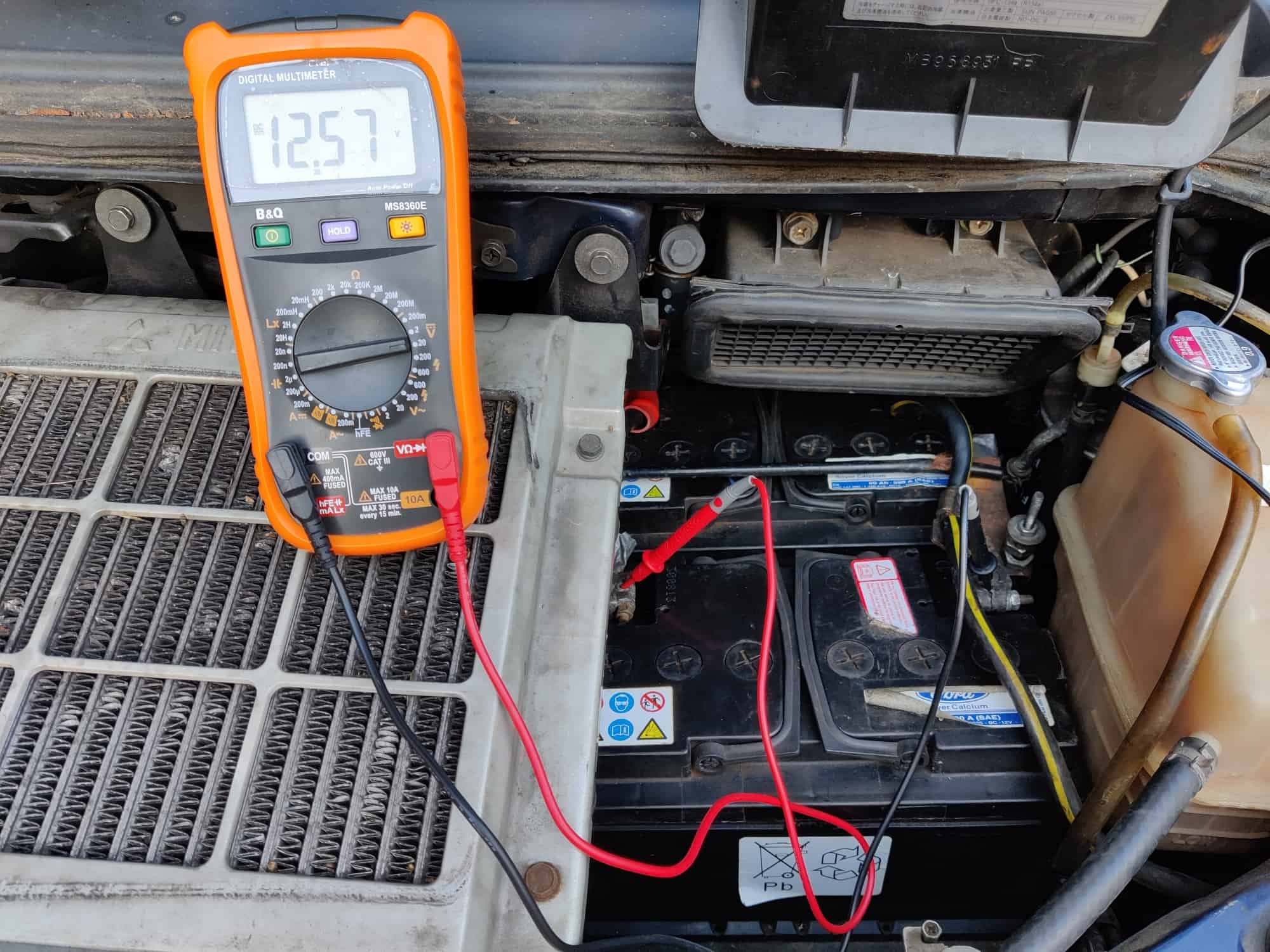
The batteries in modern electric vehicles (EVs) are engineered to last for many years, with most utilizing advanced lithium-ion technology, such as NMC (Nickel Manganese Cobalt) or LFP (Lithium Iron Phosphate) batteries. Understanding the specific factors influencing battery health and longevity of your electric car battery is crucial for maximizing your investment and ensuring optimal vehicle functionality.
Understanding Electric Car Batteries
Electric vehicles predominantly rely on various battery chemistries, each with distinct characteristics:
- Lithium-ion batteries: The most common type, known for high energy density and efficiency. They typically support rapid charging and have a longer cycle life.
- Lithium polymer batteries: These batteries offer advantages such as lighter weight and flexible shapes, making them ideal for diverse vehicle designs.
- Solid-state batteries: While still under development, they promise improved safety and longevity due to their stable chemical structures.
Technical Specifications
The following specifications provide insight into the typical battery performance metrics expected in 2026:
- Capacity: Typical battery capacities for EVs in 2026 will range from 50 kWh to over 100 kWh, supporting extended driving ranges.
- Cycle life: High-quality batteries are expected to endure between 1000 to 3000 charging cycles, translating to several years of daily use.
- Self-discharge rate: Most lithium-ion batteries tend to have a self-discharge rate of about 2% per month when not in use.
Factors Affecting Battery Health
Several critical factors directly impact the longevity and efficiency of EV batteries:
- Temperature: Extreme temperatures can significantly affect battery life. High temperatures (over 30°C) risk accelerating degradation, while very low temperatures (below -10°C) may reduce performance.
- Depth of discharge: Keeping the battery charged between 20% to 80% can enhance its lifespan. Regularly discharging it completely can lead to faster degradation.
- Charging speed: Consistent use of rapid charging can generate excessive heat, which is detrimental to battery health.
Maintenance Practices for Longevity
Adopting the right maintenance habits can prolong the life of an electric vehicle’s battery:
- Partial charging: Regularly charging the battery to only 80% and avoiding full charges can prevent unnecessary stress on battery cells.
- Battery management software: Many EVs come equipped with smart systems that monitor and optimize battery health, providing alerts for maintenance needs.
- Storage conditions: Store your EV in moderate temperature environments to avoid thermal stress and prolong battery life.
Market Trends and Battery Pricing
As we approach 2026, here are key insights into battery pricing and market trends:
- Current battery prices: The average cost per kilowatt-hour (kWh) is projected to decrease from approximately $132 in 2023 to around $100 in 2026, thanks to advancements in battery technology and economies of scale.
- Used battery market: The resale value of used batteries is expected to become a significant factor in the EV market, providing cost-effective options for consumers.
Future Developments
Looking ahead, several innovations are poised to transform the electric vehicle battery landscape:
- Emerging technologies: Research into graphene and lithium-sulfur batteries could lead to significant breakthroughs in energy storage capabilities and safety.
- Battery recycling: The push for sustainable practices has spurred the development of efficient recycling processes to recover valuable materials from old batteries.
Comparing Today vs. Tomorrow
When comparing electric vehicles from 2026 to those from 2023, several advancements are evident:
- Capacity and technology improvements: 2026 models are expected to boast higher capacities, better thermal management systems, and improved range estimations.
- Charging efficiency: Reduced charging times and advancements in charger compatibility will contribute to a more user-friendly experience.
Conclusion and Recommendations
For consumers considering the purchase of an electric vehicle, it’s vital to understand how to choose a model based on battery health and longevity:
- Research battery specifications regularly and prioritize brands with solid warranties.
- Maintain optimal charging practices to extend your battery lifespan.
- Monitor overall vehicle health and adhere to maintenance recommendations provided by the manufacturer.
Frequently Asked Questions (FAQ) about Electric Car Battery Lifespan
What is the typical lifespan of an electric vehicle battery?
Electric vehicle batteries typically last between 240,000 and 480,000 kilometers (150,000 to 300,000 miles), with some manufacturers like Tesla projecting models that could exceed 800,000 km under optimal conditions.
How much does it cost to replace an electric vehicle battery?
The average cost for replacing an EV battery ranges from $5,000 to $20,000, depending on the battery size and vehicle model; for instance, a Tesla Model 3 battery can cost between $10,000 and $15,000. Prices are expected to decrease annually due to technological advancements.
Can an EV battery be charged in sub-zero temperatures?
Yes, an electric vehicle’s battery can be charged in freezing temperatures, but charging speed may be significantly reduced (up to 50% at -10°C), so it is advisable to precondition the battery to optimize efficiency and protect cell health.
What is an electric vehicle’s “battery warranty”?
Most manufacturers provide a minimum battery warranty of 8 years or 160,000 km (100,000 miles) covering capacity degradation below 70%, ensuring functionality during this period.
Does regenerative braking affect battery lifespan?
Regenerative braking generally contributes to battery longevity by gently recharging the battery with minimal stress on components and optimizing energy efficiency, showing no significant degradation under normal usage.