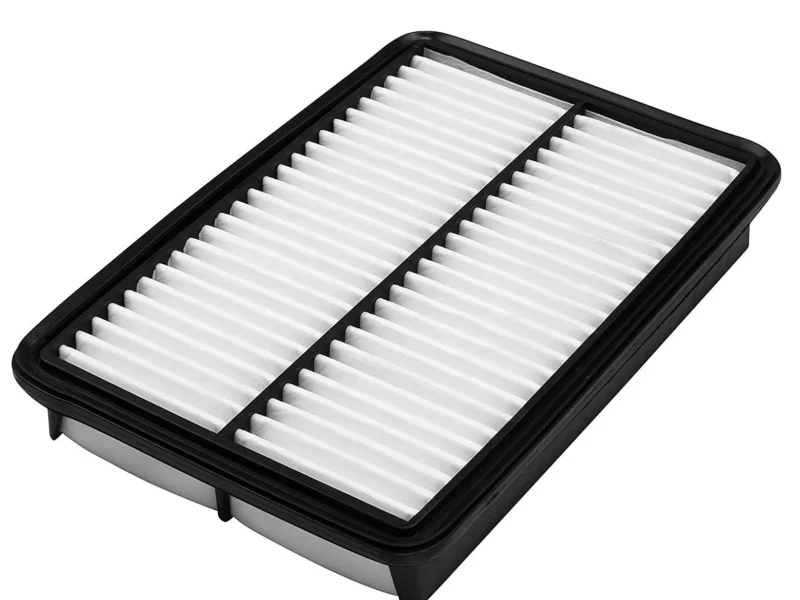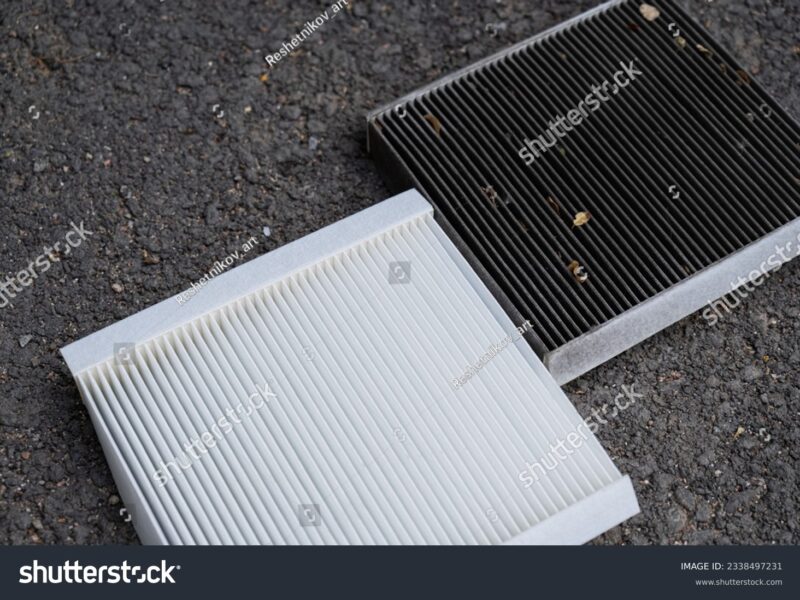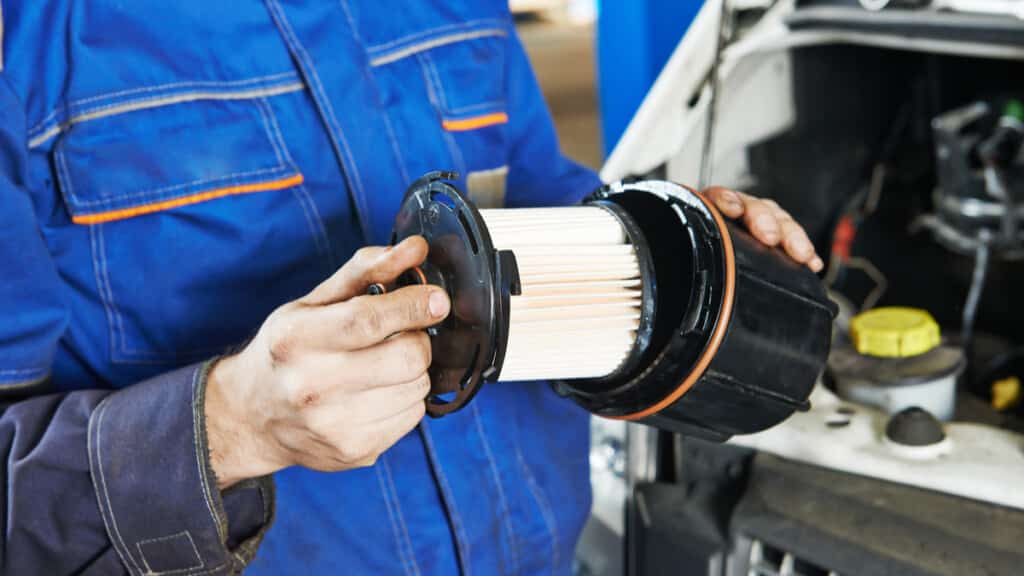
The most evident symptom indicating that your car’s cabin air filter is clogged and requires immediate replacement is a noticeable decrease in airflow from the climate control system. A compromised filter not only hinders airflow but also strains the HVAC (Heating, Ventilation, and Air Conditioning) system, leading to potential long-term damage.
A clogged cabin air filter increases resistance to airflow, forcing the HVAC system to work harder. This reduced efficiency translates into higher energy consumption and can result in overheating of HVAC components over time. The ability of a filter to capture particles is measured by its Minimum Efficiency Reporting Value (MERV), which ranges from 1 to 20. This scale indicates efficiency in capturing particles sized from 0.3 to 10 microns (µm).
How A Blocked Filter Affects Indoor Air Quality
A deteriorated cabin air filter fails to effectively eliminate allergens and fine particles, such as dust, pollen, mold spores, and exhaust gases. These contaminants can circulate freely within the cabin, exacerbating respiratory issues for passengers, particularly those with allergies or asthma.
What Are the Key Signs of a Clogged Cabin Air Filter?
Identifying warning signs is crucial for maintaining a healthy interior atmosphere and ensuring optimal operation of your vehicle’s climate system.
Is There a Decrease in Airflow from the HVAC System?
A perceptible reduction in the volume of air flowing from the vents, even when the fan is at maximum speed, directly indicates obstruction. This reduction can be so pronounced that it significantly delays the heating or cooling of the cabin. A dirty filter compromises the overall performance of the HVAC system.
Are Unpleasant Odors Increasing Inside the Cabin?
A saturated cabin air filter can trap unpleasant odors from external sources, like exhaust fumes, as well as internal sources such as mold and moisture. If persistent and unpleasant smells cannot be alleviated through ventilation, it’s likely time to replace the filter.
Are the Vehicle Windows Fogging Up?
When the cabin air filter is blocked, the HVAC system struggles to maintain adequate airflow, which can interfere with its ability to effectively defog the windows, hindering visibility and creating dangerous conditions.
Are You Experiencing Allergic or Respiratory Reactions Inside the Car?
If you suffer from allergies, asthma, or respiratory sensitivities, a dirty cabin air filter may be the culprit behind symptoms like sneezing, coughing, itchy eyes, or difficulty breathing while driving. The filtration efficiency for small particles improves with a higher MERV value.
Is the HVAC System Making Unusual Noises?
The fan motor of the HVAC system may overwork itself to force air through a clogged filter, generating abnormal noises such as buzzing or rattling. These unusual sounds can signify that the system is under stress due to a saturated filter.
Comparative Chart: MERV Levels and Filtration Efficiency
| MERV Level | Particle Size Range Captured | Typical Capture Efficiency | Common Application in Vehicles |
| :——–: | :————————–: | :———————: | :—————————-: |
| 1-4 | Particles > 10 µm | Low (Coarse dust) | Basic filters, low efficiency |
| 5-8 | Particles of 3-10 µm | Medium (Pollen, lint)| Standard filters |
| 9-12 | Particles of 1-3 µm | High (Bacteria, smoke)| High-efficiency filters for allergy sufferers |
| 13-16 | Particles of 0.3-1 µm | Very High (Viruses, allergens)| HEPA-like filters, maximum purification |
When Should I Replace My Cabin Air Filter?
Industry recommendations typically suggest replacing the cabin air filter every 15,000 to 30,000 miles (approximately 9,000 to 18,000 kilometers) or every 12 to 24 months, whichever comes first. However, in severe driving conditions—such as in areas with high pollution or dust, or if the vehicle frequently transports allergy-prone individuals—this interval may be shorter. Always consult your vehicle’s owner manual for specific manufacturer recommendations. A clogged filter degrades HVAC system performance.
Frequently Asked Questions About Symptoms of a Faulty Cabin Air Filter
How soon will I notice a difference after changing the filter?
The improvement in airflow and indoor air quality is often immediate after installing a new filter. You should notice an increase in fan power and a reduction in odors almost instantly.
Can a clogged cabin air filter damage the engine?
No, a clogged cabin air filter does not damage the vehicle’s engine. Its function is to purify the air entering the cabin, not the air that enters the engine. However, it can cause damage to the HVAC system if ignored for prolonged periods.
Are high MERV cabin air filters always better?
While a higher MERV rating indicates greater efficiency in capturing particles sized between 0.3 and 10 µm, filters with excessively high MERV ratings (above 13) can restrict airflow excessively in some vehicles, forcing the HVAC system to work harder. It’s essential to select a filter with a MERV rating suitable for your vehicle and needs.