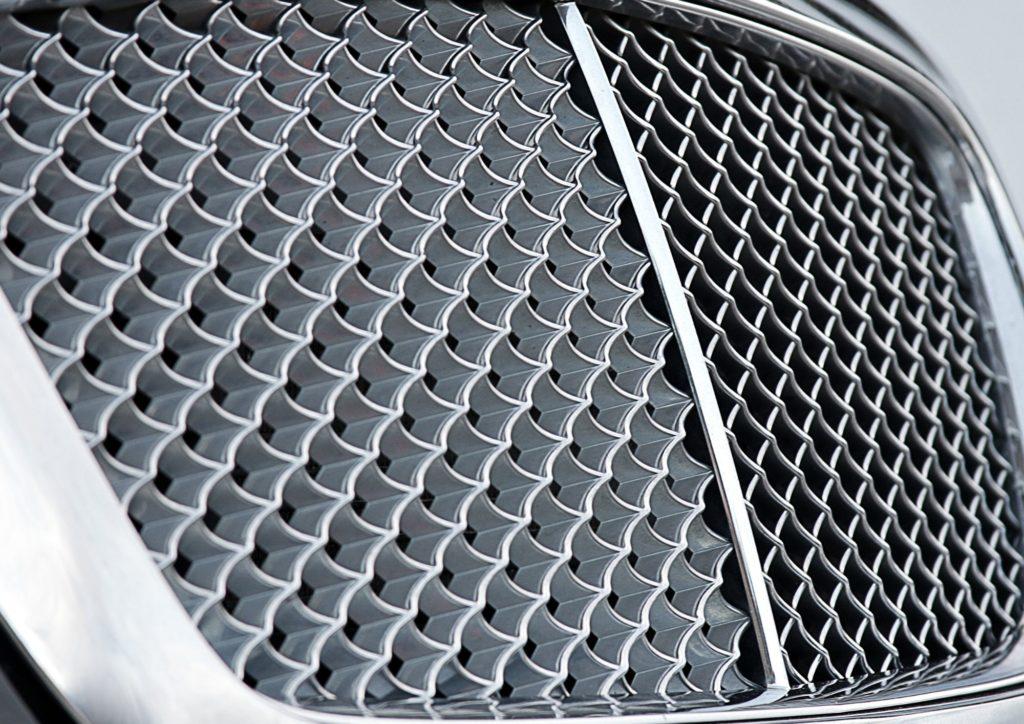
Understanding car radiators is essential for maintaining your engine’s optimal temperature. These key components are classified based on their flow design—either cross-flow or down-flow—and the materials from which they are made, notably aluminum or copper-brass. Each design and material has a profound effect on thermal dissipation efficiency and longevity of the engine, equipping you with the critical knowledge needed to enhance your vehicle’s performance.
In the realm of automotive cooling systems, radiators do more than simply circulate coolant; they serve as vital heat exchangers that prevent internal combustion engines from reaching destructive temperatures, which can soar up to 2,500°C in the combustion chamber. To safeguard against mechanical failure, at least 30% of this heat must be effectively dissipated, maintaining coolant temperatures between 90°C and 100°C, especially in diesel engines.
What Are the Main Types of Car Radiators and How Do They Affect Thermal Efficiency?
A car radiator plays a critical role by regulating engine temperature through effective heat management. Let’s dive deeper into the different types of radiators available on the market and explore how they function to optimize thermal efficiency.
How Do Cross-Flow and Down-Flow Radiators Function?
The primary distinction between radiator types lies in the direction of coolant flow. Cross-flow radiators channel coolant horizontally from one side tank to the other, maximizing surface area—a feature that proves advantageous in modern vehicles with lower hoods. In contrast, down-flow radiators direct coolant vertically, relying on gravity, and are more common in vehicles with higher hoods or vintage models. Both types distribute heat effectively, utilizing specially designed tubes and fins tailored to the architecture of the engine compartment.
What Are the Implications of One, Two, or Three Row Configurations on Heat Dissipation?
The configuration of a radiator, whether it has one, two, or three rows of tubes, significantly impacts its ability to dissipate heat. Typically, more rows result in increased contact surface area, enhancing thermal efficiency by 35% to 45% when compared to single-row designs. This improved capacity is especially crucial for high-performance engines or those frequently exposed to thermal stress, such as in heavy traffic or extreme weather conditions. Interestingly, two-row aluminum radiators can often match the heat dissipation of five-row copper-brass units while utilizing smaller tubes.
What Materials Are Used in Radiator Manufacturing and How Do They Compare in Thermal Performance?
Car radiators are predominantly made from two materials: aluminum and copper-brass alloys. Each material possesses unique thermal and mechanical properties that affect performance and application suitability.
Why Is Aluminum Prevalent in Modern Radiators?
The widespread use of aluminum in contemporary radiators can be attributed to its lightweight nature and exceptional cost-effectiveness. With thermal conductivity of approximately 205 W/(m·K) and a density around 2.7 g/cm³, aluminum aids in vehicle weight reduction, which in turn enhances fuel efficiency. Its excellent heat transfer capabilities make it a favored choice for high-performance sports vehicles. Furthermore, aluminum forms a natural oxide layer that bolsters its corrosion resistance.
When Do Copper-Brass Radiators Outperform Aluminum?
In scenarios demanding robust thermal performance, copper shines with its superior thermal conductivity ranging between 385 to 406 W/(m·K). Copper-brass alloys augment this conductivity while offering increased mechanical strength and simpler repair processes. Though heavier—copper has a density of 8.96 g/cm³—copper-brass radiators excel in high-performance and vintage car applications by dissipating heat roughly 30% faster than aluminum in extreme conditions. Historically, they were the industry standard until the late 1980s.
How Does Radiator Choice Impact Engine Longevity and Maintenance Costs?
Choosing the right radiator is essential for sustaining your engine’s life and managing maintenance costs. An inefficient radiator could lead to overheating and result in severe engine complications. Regular coolant checks and timely system purges are vital. Maintaining coolant temperatures between 90°C and 100°C is crucial for optimal performance. To explore this further, read our article on Optimizing Engine Longevity: The Critical Role of Your Car Radiator.
What Extra Considerations Apply to Engines Over 100,000 Miles Regarding the Cooling System?
Engines exceeding 100,000 miles often face increased wear, placing greater demands on the cooling system. Selecting the optimal coolant becomes paramount, as fortified fluids must combat corrosion and uphold heat transfer efficiency amidst persistent operational stress. Typically, radiators have a lifespan of 8 to 10 years, or 120,000 to 150,000 kilometers, depending on the vehicle’s type and driving conditions. For insights on suitable coolant options for high-mileage vehicles, refer to our article on Choosing the Right Coolant: Best Radiator Fluids for Engines Over 100k Miles.
What Are the Costs Associated with Common Radiator Failures in 2026?
As of 2026, the costs for radiator repairs can vary significantly. For instance, replacing a radiator cap could cost between $10 to $40, while addressing a radiator leak may range from $250 to $750. A cracked hose might cost anywhere from $100 to $350, which includes both parts and labor. A complete radiator replacement is typically priced between $750 and $1,850, reflecting the costs of parts and labor. If the plastic tank has a leak or if there’s an internal blockage, a full replacement becomes necessary. For a detailed overview of repair expenses, see our article on Car Radiator Repair Cost in 2026: What to Expect for Common Issues.
Comparison Table: Technical Properties and Performance of Radiators
| Feature | Standard Aluminum Radiator (1 Row) | High-Performance Aluminum Radiator (2-3 Rows) | Standard Copper-Brass Radiator (1 Row) |
|---|---|---|---|
| Predominant Material | Aluminum (alloy) | Aluminum (T-6061 alloy) | Copper and Brass (alloy) |
| Thermal Conductivity (W/m·K) | ~205 | ~205 – 210 | ~385 – 406 (Copper) |
| Density (g/cm³) | ~2.7 | ~2.7 – 2.83 (7050) | ~8.96 (Copper) |
| Relative Dissipation Capacity (Scale 1-5) | 3 | 4.5 (up to 45% more than stock) | 4 (30% faster than aluminum) |
| Relative Cost (Scale 1-5) | 2 (Affordable) | 3-4 (Moderate to High) | 5 (Most Expensive) |
| Relative Weight | Lightweight | Lightweight | Heavy (3.3 times heavier than aluminum) |
| Repairability | Moderate (requires specialized welding) | Moderate (requires specialized welding) | High (easier to weld and repair) |
| Typical Application | Standard vehicles, daily use | High-performance vehicles, tuning, racing | Classic vehicles, industrial, high-load applications |
Frequently Asked Questions (FAQ)
What Is the Fundamental Purpose of a Car Radiator?
The primary purpose of a radiator is to dissipate excess heat from the engine’s coolant into the external environment, ensuring operational temperatures remain between 90°C and 100°C to prevent overheating and mechanical failures.
What Does Improved Thermal Dissipation Capacity Indicate in a Radiator?
Enhanced thermal dissipation capacity, achieved through multi-row designs or high-conductivity materials like copper, indicates a radiator’s efficiency in expelling heat from the engine—critical for high-performance vehicles or challenging operating conditions.
Are Aluminum and Copper-Brass Radiators Interchangeable?
While both materials are designed for effective heat dissipation, they are not interchangeable without taking compatibility and design factors into account. Aluminum radiators are typically lighter and more efficient for modern applications, whereas copper-brass alternatives offer superior conductivity and repairability, making them more desirable for classic vehicles or industrial uses.
What Type of Radiator Is Recommended for a High-Performance Vehicle?
For high-performance vehicles, opting for a high-performance aluminum radiator with two or three rows is advisable. This structure maximizes thermal dissipation capacity by 35% to 45% more than standard types, ensuring optimal cooling under strenuous conditions.