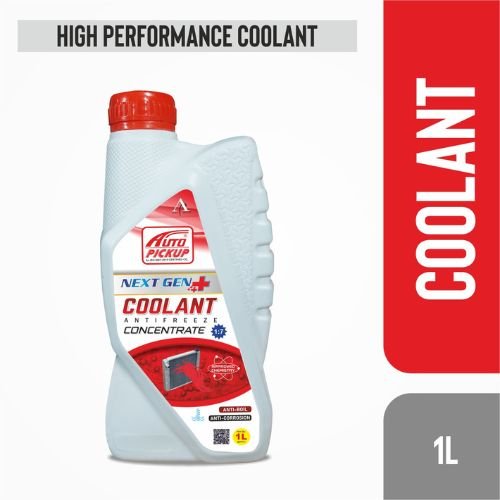
Selecting the optimal radiator fluid for high-mileage vehicles—specifically those exceeding 100,000 miles—requires a nuanced understanding of coolant chemistry. In these aging engines, the stakes are higher; the right coolant not only helps prevent advanced engine degradation but also ensures optimal heat transfer amid increased operational stress. This guide delves into the essential factors for choosing the best radiator coolant for vehicles over 100,000 miles, safeguarding longevity and averting costly repairs.
Why Does Coolant Specification Change for High-Mileage Engines?
As engines clock over 100,000 miles, their internal components experience significant wear, heightening the risk of micro-leaks and necessitating stronger protection from the cooling system. Original coolant formulations often degrade over time, losing anti-corrosion additives and their optimal freeze/boil protection. Consequently, a transition to more durable coolant options becomes essential. This scenario parallels how transmission fluid requirements transform for heavy towing, where enhanced thermal stability and wear protection are pivotal.
What Are the Key Additive Technologies in Modern Coolants?
Modern coolants primarily leverage three additive technologies: Inorganic Additive Technology (IAT), Organic Acid Technology (OAT), and Hybrid Organic Acid Technology (HOAT). IAT coolants, common in older vehicles, utilize silicates and phosphates for protection. OAT coolants, designed for extended service intervals, rely on organic acids devoid of silicates or phosphates, delivering enhanced corrosion protection. Meanwhile, HOAT combines the best of both worlds, offering a balance of immediate and long-term protection, making it suitable for a diverse range of vehicles.
How Do Coolant Types Differ in Freeze and Boiling Points?
The freeze and boiling points of a coolant are critical in preventing engine damage during extreme temperature fluctuations. A standard 50/50 mixture of ethylene glycol and distilled water typically affords freeze protection down to -34°F (-36.7°C) and boil-over protection up to 265°F (129.4°C) when the system is pressurized. It’s worth noting that specific formulations may vary; certain concentrated coolants can offer freeze protection as low as -76°F (-60°C). Always consult your vehicle’s owner’s manual for manufacturer-specific recommendations.
Which Coolant Formulations Offer Superior Corrosion Protection for High-Mileage Engines?
For engines exceeding 100,000 miles, HOAT and OAT formulations generally provide superior long-term corrosion protection compared to conventional IAT coolants. HOAT coolants, which often contain a blend of silicates and organic acids, deliver immediate protection through silicates while organic acids work to defend against rust and scale accumulation over time. As wear progresses on internal engine components, exposing fresh metal surfaces prone to corrosion, these advanced additives create a more resilient protective shield, prolonging the life of cooling system components.
How Does Coolant Maintenance Align with General Car Maintenance?
Regular coolant checks and flushes are integral to a comprehensive car maintenance routine, much like ensuring the proper functioning of brake fluid in ABS systems. Neglecting coolant health can lead to overheating, component corrosion, and significant engine damage—paralleling the way subpar brake fluid compromises ABS performance. Following a structured maintenance schedule, as outlined in the Essential Car Maintenance Guide for Every Owner, guarantees all vital fluid systems operate efficiently within their designated parameters.
What Are the Recommended Coolant Types by Manufacturer?
Different manufacturers specify coolant types tailored to their engines’ designs and materials. For instance, American automakers like Ford and GM commonly recommend specific HOAT coolants (e.g., Ford Gold, GM Dex-Cool). In contrast, European manufacturers often favor OAT coolants with precise VAG approvals. It’s crucial to align the coolant type with your vehicle manufacturer’s specifications to prevent issues that could damage seals and gaskets.
Comparative Analysis of High-Mileage Coolant Options
The following table provides a comparative overview of key characteristics associated with various coolant types relevant to high-mileage vehicles:
| Coolant Type | Primary Additive Technology | Typical Service Interval (Miles) | Corrosion Protection | Potential Incompatibility Issues |
|---|---|---|---|---|
| IAT (Green) | Inorganic Additives (Silicates, Phosphates) | 30,000 – 50,000 | Moderate; can cause deposits | Short-term protection; potential for silicate dropout |
| OAT (Orange/Red) | Organic Acids | 100,000 – 150,000 (single) / 200,000 – 300,000 (extended) | Excellent; long-lasting | Not suitable for older systems; potential silicate dropout in mixed applications |
| HOAT (Yellow/Blue/Other) | Hybrid (Silicates + Organic Acids) | 75,000 – 100,000 (single) / 150,000 – 250,000 (extended) | Very good; balanced protection | Generally compatible, but verification is recommended |
Frequently Asked Questions
Can I mix different types of coolant?
Mixing different coolant types is generally discouraged, as it can cause chemical reactions that neutralize protective additives and generate sludge, significantly reducing overall cooling efficiency.
What happens if I use the wrong coolant in my high-mileage car?
Using an incorrect coolant can lead to accelerated corrosion of engine components, blockage in the radiator, and premature failure of water pump seals, resulting in costly repairs.
How often should I flush my cooling system if my car has over 100,000 miles?
For vehicles over 100,000 miles, a coolant flush is typically advisable every 45,000 to 60,000 miles or as per the manufacturer’s service schedule. This practice helps remove degraded coolant and contaminants, maintaining optimal engine health.