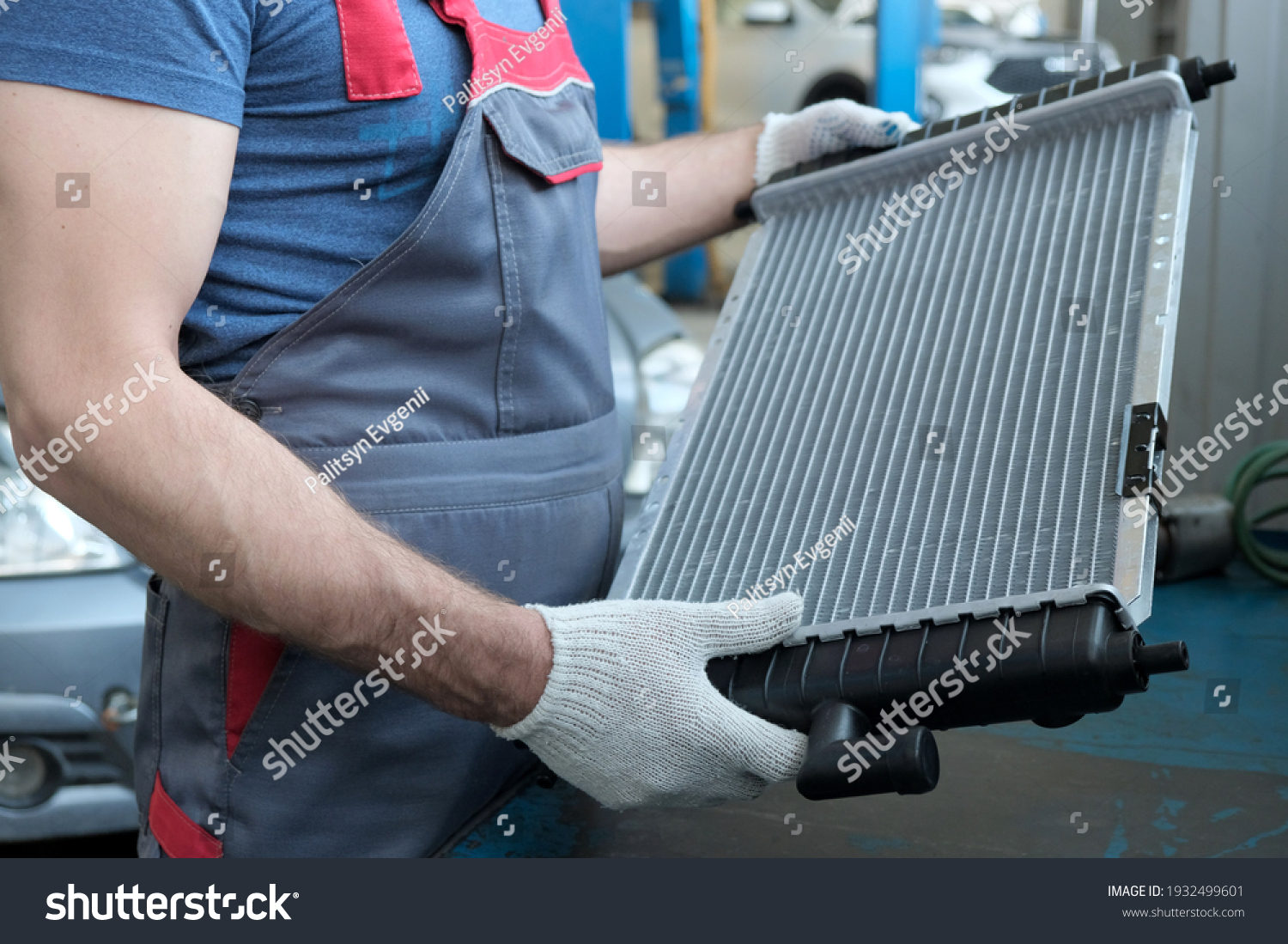
An automobile radiator serves a critical role in maintaining optimal engine temperature by dissipating heat generated during combustion. As a crucial component of a vehicle’s cooling system, a malfunctioning radiator can lead to severe engine overheating, which significantly impacts performance and longevity. As we move into 2026, understanding the costs associated with radiator repairs, as well as common issues, becomes essential for vehicle owners.
In 2026, the cost of car radiator repairs can range significantly based on a variety of factors, including the nature of the repair needed, the vehicle’s make and model, and geographical location. For instance, simple fixes can start at about $10, while comprehensive radiator replacements may reach averages of $750 to $1,850, encompassing both parts and labor.
What is the Average Cost to Repair a Radiator Leak in 2026?
Repairing a car radiator leak in 2026 typically costs between $250 and $750, highly dependent on the severity of the issue. Minor repairs, such as replacing a cracked hose, usually fall within the $100 to $350 range, inclusive of both parts and labor. However, if the leak is traced to a leaking plastic tank or involves an internal clog, a complete radiator replacement is likely necessary, leading to significantly higher costs. Neglecting a leak can result in catastrophic engine problems, with potential repair expenses exceeding $3,000, particularly if issues such as a cracked engine block or blown head gasket arise. For guidance on detecting leaks, refer to our guide, Pinpointing the Problem: Your Guide to Diagnosing and Fixing Car Radiator Leaks.
How Much Does Radiator Hose Replacement Cost in 2026?
The average cost for radiator hose replacement in 2026 ranges from $90 to $514, covering both parts and labor. Specifically, labor costs are estimated between $120 and $176, while parts typically cost around $351 for a single hose. For example, replacing radiator hoses on a 2024 Jeep Wrangler averages between $364 and $398, with parts priced at approximately $291 and labor costs ranging from $73 to $107. In contrast, a 2024 Chevrolet Colorado might see significantly higher replacement costs, ranging from $619 to $715, attributed to more expensive parts and labor. It is advisable to replace both hoses simultaneously as they often deteriorate at similar rates.
What is the Cost for a Radiator Cap Replacement in 2026?
Replacing a faulty radiator cap remains one of the most economical radiator-related repairs, typically costing between $10 and $40. Although small in size, a malfunctioning radiator cap can disrupt pressure balance within the cooling system, causing engine overheating or coolant loss.
What is the Average Radiator Cleaning Cost in 2026?
A professional radiator flush, which includes both a coolant replacement and a chemical descaling process, typically costs between $100 and $250 in 2026. A more basic drain-and-fill procedure can be completed at a lower cost of between $50 and $100. The cleaning costs can vary based on the complexity of the vehicle’s heating system and the number of radiators involved. Regular cleaning is crucial to remove sludge, debris, and mineral deposits, preventing blockages that can diminish efficiency and reduce the radiator’s lifespan, as discussed in our comprehensive article, What is the Cost of Radiator Cleaning? Factors & Saving Tips.
How Much Does Radiator Replacement Cost in 2026?
The cost of a full car radiator replacement in 2026 generally falls between $750 and $1,850, including both parts and labor. RepairPal estimates the average cost for radiator replacement to range from $1,307 to $1,471, with parts typically accounting for $963 to $966 and labor costs between $344 and $505. For example, a radiator replacement on a 2024 Chevrolet Silverado 1500 averages between $1,487 and $1,761, with parts costing around $901 and labor between $586 and $859. It is notable that luxury and high-performance vehicles may incur higher costs due to the need for specialized parts and longer labor times.
What Factors Influence Car Radiator Repair Costs in 2026?
Several critical factors dictate the total cost of car radiator repair in 2026. The make, model, and year of the vehicle greatly influence the expense, with luxury or high-performance cars typically requiring pricier parts and more intensive labor. The material of the radiator (e.g., aluminum versus more expensive copper) and its type (single-core versus multi-core) also impact part expenses. Additionally, labor rates can vary significantly by region and shop, with dealerships often charging more due to specialized equipment and factory-trained technicians. The extent of the damage is paramount; minor leaks cost substantially less to repair than severe cracks necessitating total replacement. Furthermore, if a failing thermostat or water pump is discovered during the diagnostic process, their replacement can inflate the overall repair bill significantly.
| Repair Type | Average Cost Range (Parts + Labor) | Typical Labor Hours | Key Considerations |
|---|---|---|---|
| Radiator Cap Replacement | $10 – $40 | 0.1 – 0.2 hours | Prevents pressure imbalances; highly affordable. |
| Radiator Flush / Cleaning | $100 – $250 | 1 – 2 hours | Removes debris and deposits; essential maintenance. |
| Radiator Hose Replacement (Single) | $90 – $514 | 1 – 2.5 hours | Critical for coolant flow; often recommended to replace both. |
| Radiator Leak Repair (Minor) | $250 – $750 | 1 – 4 hours | Includes soldering/patching minor cracks or replacing O-rings. |
| Radiator Replacement | $750 – $1,850 | 2 – 4 hours | Required for extensive damage; cost varies by vehicle type and radiator material. |
Frequently Asked Questions (FAQ)
Can a small radiator leak be repaired?
Yes, minor radiator leaks, such as those from a cracked hose or a leaking tank seam, can often be repaired through patching, soldering, or replacing the specific component, typically costing $150 to $500.
Is radiator repair cheaper than replacement?
In most cases, radiator repair is significantly cheaper than a complete replacement, with repairs ranging from $250 to $750 compared to replacements costing between $750 and $1,850.
How long does a radiator repair typically take?
Minor radiator repairs, such as a hose or cap replacement, can take less than an hour, while a full radiator replacement typically requires 2 to 4 hours of labor.
What are the signs that my car radiator needs attention?
Common signs include visible coolant leaks (often green, yellow, or pink puddles), an overheating engine, steam emanating from under the hood, or a continuously rising temperature gauge. Immediate attention is necessary to prevent further damage.
Do specialized vehicles cost more for radiator repairs?
Yes, high-performance or luxury vehicles, as well as larger trucks and SUVs, often come with higher radiator repair and replacement costs. This increase is due to the need for more expensive specialized parts and potentially more complex, time-intensive labor.
Conclusion
As automobile technology evolves, so do the complexities of their components. Vehicle owners should stay informed about potential radiator issues and associated costs. Proactive maintenance is invaluable in preventing costly repairs in the future. Regular checks and timely interventions can save significant expenses and promote vehicle longevity.
Sources of Relevant Data
Data sourced from the Automotive Service Association and surveys on vehicle repair costs, along with maintenance statistics from the National Highway Traffic Safety Administration (NHTSA).