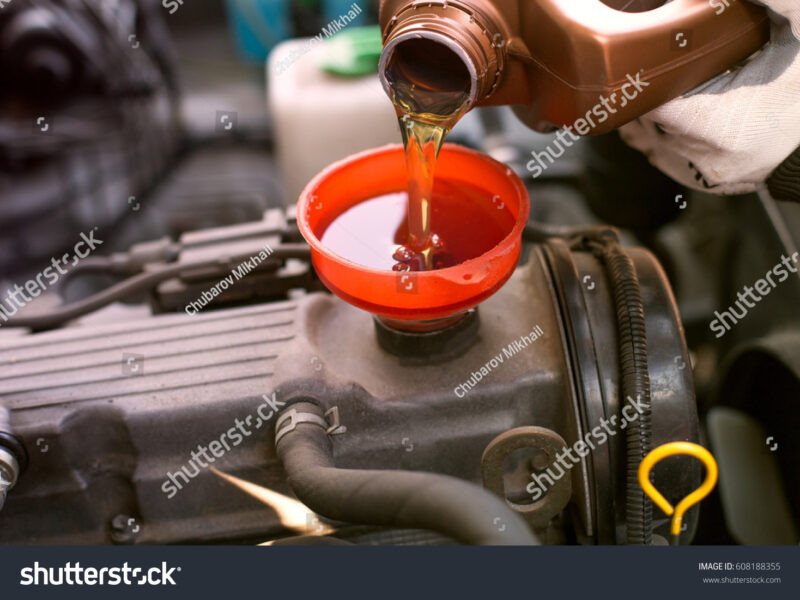
Oil filter media are the unsung heroes of engine health, playing an indispensable role in ensuring that lubricants remain clean and effective. By capturing solid particles and impurities, these components prevent accelerated engine wear and tear. Understanding the diverse materials and characteristics of oil filter media empowers you to make informed decisions, helping your engine stay in peak condition for years.
What Specific Materials Comprise Oil Filter Media?
At the heart of every oil filter lies the media, which can be primarily categorized into three types: cellulose fibers, synthetic materials, and blends. Traditional filters use cellulose fibers coated with phenolic and epoxy resins to withstand high temperatures and oil contaminants. Innovative synthetic filters, specifically designed for synthetic oils, utilize synthetic fibers to enhance performance, especially under increased pressure.
How is Filtration Efficiency Measured in Microns and Why is it Critical?
Filtration efficiency is a measure of how well a filter captures contaminants of varying sizes, typically expressed as a percentage for specific micron dimensions. A micron, equal to one-millionth of a meter, indicates the size of particles that the filter is capable of trapping. For instance, a filter demonstrating 95% efficiency at 20 microns captures 95% of particles of that size or larger.
The ISO 4548-12 standard offers a robust methodology for assessing oil filter performance through in-line particle counting, quantifying how effectively filters eliminate contaminants by size. It’s crucial to understand the micron ratings and their associated efficiency percentages, as relying solely on micron ratings can be misleading. Additionally, the beta ratio (?x) serves as an evaluation metric; for example, a ?10 ratio of 200 means 99.5% of 10-micron particles are captured, showcasing superior performance compared to a ?10 = 75 rating at 98.7% capture.
What is the Dirt Retention Capacity and Its Importance for the Engine?
Dirt retention capacity reveals how much contaminant a filter can hold before reaching saturation—at which point the bypass valve opens, allowing unfiltered oil to circulate. A higher dirt retention capacity means better overall protection for your engine, allowing for longer intervals between oil changes. For example, the FRAM Synthetic Endurance™ filter is capable of lasting up to 40,000 kilometers (25,000 miles), while standard filters are generally rated for 5,000 to 7,500 kilometers. Advanced technologies, like Donaldson’s Ultra-Web®, capture up to five times more contaminants than conventional cellulose filters.
What Specific Types of Filter Media Exist and What Are Their Technical Characteristics?
Oil filter media can be divided into three primary categories: cellulose, synthetic, and blends. Each type comes with distinct characteristics that greatly influence filter performance and engine longevity.
What Technical Properties Do Cellulose Filter Media Exhibit?
Cellulose filter media are made from natural fibers, presenting a cost-effective filtration solution. These filters generally have larger gaps between fibers, allowing for the deposition of more particles. However, while cellulose filters are proficient at capturing larger particles over 10 microns, their efficacy diminishes for finer contaminants, often holding onto only 50% or fewer of such particles.
What Technical Advantages Do Synthetic Filter Media Offer?
Synthetic filter media are meticulously engineered from artificial fibers, often using layered microfibers of glass. This effective design results in reduced gaps between fibers, maximizing surface area for contaminant capture while minimizing flow resistance. Consequently, synthetic filters excel in efficiency, capturing smaller particles and often achieving filtration down to 4 microns. They are built to withstand higher pressures, making them particularly suitable for modern engines and extended oil change intervals.
What Benefits Do Blend Filter Media (Cellulose + Synthetic) Offer?
Blend filter media combine the advantages of cellulose and synthetic fibers, enhancing filtration efficiency while optimizing pressure drop and flow rates. This strategic combination aims to find a perfect balance between affordability and high performance. For example, Premium Guard utilizes this blend to exceed the specifications set by certain original equipment manufacturers by over 10%. Similarly, Donaldson’s Synteq™ blend media offers a unique mix of cellulose and synthetic fibers to provide varied efficiency options.
Comparative Table of Oil Filter Media
| Technical Characteristic | Cellulose Media | Synthetic Media | Blend Media (Cellulose + Synthetic) |
|---|---|---|---|
| Filtration Efficiency (e.g., @ 20 microns) | 80-90% (nominal) | >99% (absolute) | 90-95% (nominal/improved) |
| Minimum Particle Size Filtered | >10 microns effectively | As low as 4-5 microns effectively | Improved over pure cellulose, effective up to ~10 microns |
| Dirt Retention Capacity | Good for larger particles (e.g., 10-15g) | Significantly high (e.g., 20-30g or more) | Improved over cellulose (e.g., 15-20g) |
| Oil Flow Restriction | Moderate to high if quickly saturated | Low, allows better flow | Low to moderate, better than pure cellulose |
| Estimated Lifespan | Standard (5,000 – 7,500 km) | Extended (up to 40,000 km or more) | Greater than cellulose (e.g., 10,000 – 15,000 km) |
| Relative Cost | Low | High | Medium |
FAQs about Oil Filter Media
What Does a 20 Micron Rating in an Oil Filter Mean?
A 20 micron rating indicates the filter’s capability to capture particles that are 20 microns and larger. It’s crucial to consider the associated efficiency percentage to fully understand its performance.
Do Synthetic Oils Require Special Oil Filters?
Yes, synthetic oils thrive under filters designed with synthetic or blend media, as these filters enhance overall efficiency, trap more contaminants, and help prevent premature filtration failure during extended oil changes.
Is Pure Cellulose Obsolete in Modern Oil Filters?
No, pure cellulose remains a viable option for capturing larger particles and is especially suitable for applications with shorter filter change intervals where ultra-fine filtration is not critical.
What Impact Does Flow Restriction Have on the Engine?
Excessive flow restriction stemming from a saturated or poor-quality filter can activate the bypass valve, allowing unfiltered oil to flow through the engine. This increases the risk of internal wear on critical components.
How Can I Identify the Type of Filter Media My Oil Filter Uses?
You can typically find the type of filter media indicated on packaging or in technical specifications. If you’re unsure, consult your vehicle’s manual or contact the filter manufacturer for assistance.