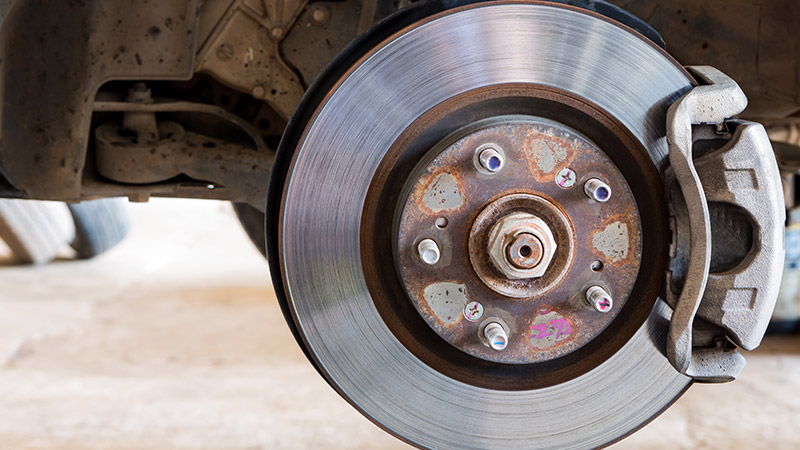
The brake caliper is a vital component of a vehicle’s disc braking system, acting as the force that converts hydraulic pressure into stopping power. It securely houses the brake pads and pistons, clamping them against the brake rotors to create the friction necessary to slow or halt the vehicle. For DIY mechanics, grasping the function and upkeep of brake calipers is essential, especially when faced with the decision of whether to rebuild or replace them.
What is a Brake Caliper and Why is Its Function Critical?
A brake caliper functions like a clamp encasing the brake rotor, halting its rotation when activated. Within its robust structure, pistons, typically crafted from stainless steel or highly durable materials, extend outward to press the brake pads against the rotor, aided by hydraulic pressure from the brake fluid when the brake pedal is engaged. This coordinated mechanism creates the friction necessary for effective deceleration. Furthermore, the caliper is equipped with seals (including piston seals and dust boots), guide pins, and a bleeder screw to ensure reliable and safe braking.
When Does a Brake Caliper Require Attention? Diagnosing Failure Symptoms.
Brake calipers are engineered for durability, typically lasting 75,000 to 100,000 miles, or even the vehicle’s lifetime under optimal conditions. Yet, factors such as driving habits, environmental conditions (like road salt exposure), and brake fluid quality can accelerate wear and tear. Detecting the symptoms of a dysfunctional brake caliper is crucial for prompt intervention. Common indicators include the vehicle pulling to one side during braking, which may suggest a stuck or seized caliper, and a spongy or soft brake pedal, which indicates diminished braking capacity.
Additionally, visible brake fluid leaks around the caliper point to compromised seals, while unusual sounds like grinding, squealing, or clunking—especially when no pressure is applied—can signal underlying caliper issues. Uneven brake pad wear also serves as a red flag, as a sticking caliper often leads to accelerated wear on one pad compared to the other.
Brake Caliper Rebuild: What Does It Entail and What Are the Advantages?
Rebuilding a brake caliper entails disassembling the unit, rigorously cleaning its components, and replacing worn internal parts such as seals and dust boots before reassembling it for renewed functionality. This typically requires the removal of the caliper from the vehicle, detaching the piston(s) through compressed air or careful brake pedal application, and extracting old seals. The piston and bore must be examined for pitting or corrosion, followed by a thorough cleaning before installing new piston seals, dust boots, and lubricating the guide pins.
The key advantage of rebuilding is the substantial cost savings; rebuild kits generally range between $10 and $50, considerably more economical than purchasing a new caliper, which can cost anywhere from $150 to $500 per wheel. Moreover, this approach promotes environmental sustainability by reusing the original caliper body, thus minimizing waste and lessening the manufacturing demand. A proper rebuild can effectively restore the caliper’s performance, especially if the caliper body remains intact and free from significant corrosion or damage. For those keen on DIY maintenance, rebuilding provides an educational opportunity and allows for maintaining OEM compatibility, crucial for preserving the vehicle’s original pedal feel and braking attributes. To further understand caliper mechanics, consider reading about brake caliper maintenance and troubleshooting.
Brake Caliper Replacement: When is It the Optimal Solution and What Are Its Drawbacks?
Replacing a brake caliper involves installing a brand new or remanufactured unit after the original caliper’s integrity is confirmed compromised. This replacement is often necessary if the caliper body shows severe signs of corrosion, cracks, or warping, or if internal components demonstrate significant wear that cannot be remedied by a rebuild kit. Other strong indicators for replacement include heavily pitted piston bores or faulty threads on guide pins or bleeder screws, which make structural stability untenable. In vehicles with integrated parking brake mechanisms, complex corrosion or damage may also warrant a complete replacement.
Among the advantages of replacement are time savings, particularly for intricate or multi-piston calipers, as well as the fact that newly installed parts often come with warranty coverage. New calipers promise an immediate installation and assurance that all components are fresh, thus minimizing the likelihood of previously unseen issues arising from older parts. However, the primary drawback of replacement lies in the substantially higher cost compared to rebuilding. While remanufactured calipers can present a more affordable option, they sometimes come with compromised threads or lubrication issues, leading to potential future complications. Additionally, opting for new parts has a more significant environmental impact, given the increased demand for manufacturing and waste. It’s generally advisable to replace calipers in pairs on the same axle to maintain balanced braking and even wear on both sides of the vehicle. Following a proper bleed post-replacement is essential; for guidance, please refer to improving brake systems in classic vehicles.
Brake Caliper Rebuild vs. Replacement: A Comparative Cost-Benefit Analysis for DIY Mechanics.
The choice between rebuilding or replacing a brake caliper hinges on a detailed cost-benefit analysis that considers multiple factors beyond merely the immediate expense of parts. This analysis evaluates financial investment against time commitments, skill level, anticipated lifespan, and the condition of the existing component.
| Factor | Brake Caliper Rebuild | Brake Caliper Replacement (New/Remanufactured) |
|---|---|---|
| Cost (Parts) | Low ($10-$50 for a kit) | High ($150-$500 per wheel for new/reman) |
| Cost (Tools) | Basic hand tools, piston compressor/press, seal tools, compressed air source, brake fluid bleed kit | Basic hand tools, brake fluid bleed kit, torque wrench, caliper hanger |
| Time Investment | Moderate to high (disassembly, cleaning, inspection, reassembly, bleeding) | Low to moderate (removal, installation, bleeding) |
| Difficulty/Skill Level | Moderate to high (precision and patience required for seals and pistons) | Low to moderate (simple swap, with crucial importance on bleeding) |
| Caliper Condition | Ideal for intact bodies with worn seals or pistons; no severe corrosion, cracks, or deep pitting | Necessary for severe corrosion, cracks, stripped threads, or irreparable damage |
| Expected Lifespan (Post-Service) | Can restore to near-new functionality with quality parts and execution | Typically parallels OEM lifespan; new units come with fresh components and warranty |
| Environmental Impact | Lower (reusing casting, less waste) | Higher (new material production, disposal of old unit) |
| Warranty | Typically none on the rebuild itself, only on kit components | Often carries warranty from manufacturer/supplier |
What Factors Influence the Brake Caliper Rebuild vs. Replacement Decision?
The judgment call between rebuilding and replacing a brake caliper involves several critical considerations. The condition of the existing caliper is primary: if the main housing exhibits severe corrosion, cracks, or damage around vital areas like bleeder screws or guide pins, replacement is the more reliable and sensible choice. For instance, should the piston showcase deep pitting or be made of plastic that has swelled, a complete replacement could prove more dependable than just outfitting new seals around an already compromised piston.
Cost-effectiveness heavily influences DIY mechanics; looming price differences make rebuild kits substantially more attractive when the caliper body remains intact. However, the time investment and necessary skill level are critical to weigh. Rebuilding is a meticulous endeavor requiring precision, especially regarding piston removal, cleaning, and seal installation. For mechanics uncertain of their skills or lacking specialized tools, the risk of errors and the need for additional corrections could overshadow initial savings. In such cases, new or remanufactured calipers may provide a speedier, straightforward installation. Additional factors include the age of the vehicle, the accessibility of quality rebuild kits for specific models, and the mechanic’s long-term plans for their vehicle, all of which play into the ultimate brake caliper rebuild vs. replacement decision.
Frequently Asked Questions About Brake Caliper Service.
How long does a rebuilt brake caliper typically last?
A meticulously rebuilt brake caliper, employing a high-quality rebuild kit and adhering to correct installation protocols, can restore the component’s performance to nearly original levels and often endure for many years or tens of thousands of miles—similar to that of a new unit. Longevity ultimately depends on driving conditions, regular maintenance, and the initial condition of the caliper body.
Are all brake calipers rebuildable?
No, not every brake caliper is rebuildable. Many typical caliper designs can be renewed, but those suffering significant damage to the housing, deeply pitted piston bores, stripped threads for bleeder screws or guide pins, or extensive corrosion—rendering them structurally unsound—are usually not fit for rebuilding and will require replacement. Multi-piston performance calipers or those equipped with integrated parking brake mechanisms often present additional challenges, making replacement more common.
What specialized tools are necessary for a brake caliper rebuild?
To successfully carry out a brake caliper rebuild, DIY mechanics should equip themselves with standard hand tools such as wrenches and sockets, alongside specialized instruments. Vital tools include a brake caliper piston compressor or press for safely managing pistons, specialized seal tools for nuanced seal removal and installation, and a brake fluid bleeding kit to expel air from the hydraulic system post-reassembly. A compressed air source can also aid in successfully removing pistons.