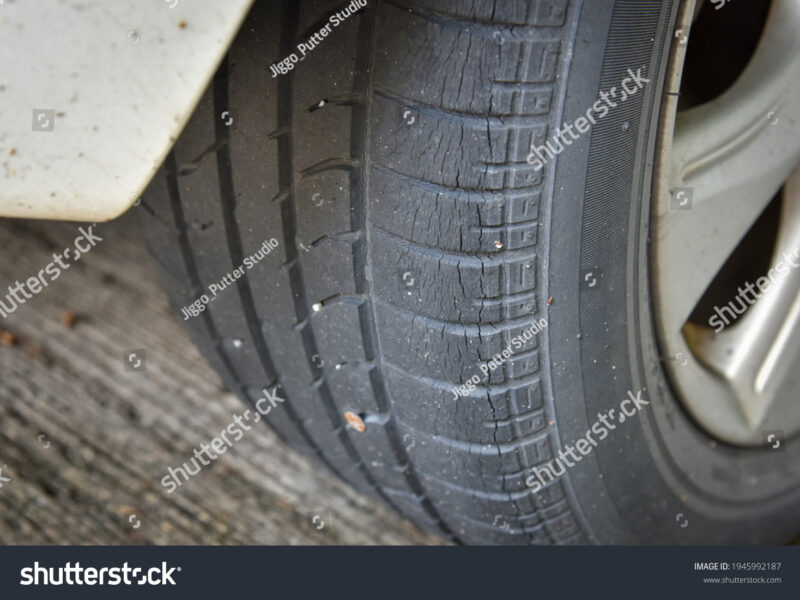
Performance tires are not just components; they are the lifeline between driver ambition and road performance. Engineered to provide unparalleled grip, precise handling, and quick responsiveness, these specialized tires outshine standard passenger options. They are crafted for vehicles that demand superior driving dynamics, resulting in better braking, sharper cornering, and faster acceleration. As a critical interface between the vehicle and the road, performance tires significantly influence how a car responds to driver commands, transforming mere driving into an exhilarating experience. The performance tire market is booming, projected to reach a substantial valuation as drivers increasingly seek enhanced performance in their vehicles.
## What Sets Performance Tires Apart from Standard Tires?
The distinctive features of performance tires stem from their advanced design, which includes specialized rubber compounds, optimized tread patterns, and reinforced sidewalls. These elements work collaboratively to enhance capabilities across various driving conditions, especially on both dry and wet surfaces.
### How Do Specialized Rubber Compounds Enhance Grip?
At the heart of performance tires lies the rubber compound, which is formulated to be softer and stickier. By incorporating advanced polymers and silica, these tires maximize friction with the road, allowing them to adapt to minute road textures. This adaptability increases the contact patch, leading to improved grip during acceleration, braking, and cornering. As the softer compounds generate heat through friction, they enhance adhesion within optimal temperature ranges. Conversely, standard tire compounds prioritize durability and efficiency, often sacrificing the pliability that leads to superior grip.
### What Role Do Tread Patterns Play in Performance?
The tread pattern of performance tires is meticulously engineered to optimize road contact and manage water displacement effectively. These tires typically utilize larger tread blocks and reduced tread depths, providing a greater contact area for exceptional dry grip. With features like asymmetrical or directional tread designs, performance tires can efficiently channel water away, thus minimizing the risk of hydroplaning while maximizing traction during sharp turns. Standard tires focus on balanced all-season performance, which often compromises precise handling ability.
### How Does Sidewall Stiffness Affect Handling?
Performance tires are characterized by shorter and stiffer sidewalls, which significantly enhance steering response and stability. This rigidity minimizes sidewall flex during aggressive maneuvers, resulting in quicker and more direct feedback between driver inputs and road contact. While this may lead to a firmer ride quality, it is essential for maintaining tire shape and maximizing performance under high lateral loads. Low-profile tires, often associated with performance vehicles, incur higher manufacturing costs due to their stringent tolerances and the strength of materials required.
## What Are the Different Categories of Performance Tires?
Performance tires are categorized based on driving intensity and conditions, each designed with a balance of grip, durability, and temperature adaptability in mind. From daily sports driving to competitive track use, the right category enhances the driving experience.
| Category | Typical Speed Rating | Primary Compound Characteristic | Tread Pattern Focus | Intended Use Case | Lifespan Expectation |
|---|---|---|---|---|---|
| Performance (H-rated) | H (up to 130 mph) | Softer than touring, balanced | Good wet/dry traction | Sport sedans & coupes, daily driving | Moderate |
| High-Performance All-Season | H/V (up to 149 mph) | Flexible for varied temperatures | Balanced wet, dry, light snow traction | Year-round sporty handling | Moderate |
| Ultra-High Performance (UHP) | V/W/Y/Z (up to 186+ mph) | Softer, higher grip, more heat resistant | Aggressive, large blocks for dry grip | Sports cars, high-performance vehicles | Shorter |
| Max Performance Summer | W/Y (up to 186 mph) | Very soft, maximum dry grip | Minimal tread, optimized for dry roads | Exotic sports cars, track days in dry conditions | Very Short |
| Extreme Performance Summer (R-Compound) | Z/W/Y (up to 186+ mph) | Extremely soft, track-focused adhesion | Semi-slick to slick design | Dedicated track and competition use | Minimal (track specific) |
### What are Speed Ratings and UTQG?
Speed ratings, denoted by letters such as H, V, W, Y, and Z, indicate the maximum safe speed a tire can sustain. Higher ratings generally reflect a performance-oriented design. The Uniform Tire Quality Grade (UTQG) system measures treadwear, traction, and temperature resistance. Treadwear ratings (e.g., 300-400) reveal durability, while lower ratings (below 200) are common in performance tires, offering better grip at the cost of ride comfort.
### How Do Tire Dimensions Impact Performance?
The dimensions of a tire are a crucial factor in determining vehicle dynamics. Wider tires enhance handling and traction, although they may compromise fuel efficiency and ride comfort. A lower aspect ratio, or shorter sidewall height, improves responsiveness and imparts a sportier look but may lead to a rougher ride. Larger wheel diameters are typical in performance and luxury vehicles, enhancing overall performance capabilities.
## What Are the Advantages of Equipping Performance Tires?
Performance tires elevate the driving experience by offering significantly improved braking distances, enhanced cornering stability, and superior acceleration. These attributes stem from their sophisticated construction, allowing for greater control and a more engaged driving experience. Optimizing your vehicle’s performance requires a holistic approach, encompassing your braking system as well. For more insights, explore High Performance Brakes: Advantages and Considerations for a deeper understanding of vehicle dynamics.
Improved Braking: Softer rubber compounds and an increased contact patch yield greater stopping power, particularly on dry surfaces.
Enhanced Cornering: Stiffer sidewalls and specialized tread patterns minimize tire flex, facilitating precise steering response and higher cornering speeds.
Better Acceleration: Enhanced grip from specialized compounds allows for more efficient power transfer to the ground, curbing wheelspin for quicker straight-line speed.
Increased Driver Feedback: The responsive nature and stiffer build of performance tires deliver more direct feedback from the road, enhancing the overall driving experience.
## What Considerations Are Associated with Performance Tire Ownership?
While the performance benefits are enticing, prospective owners must weigh trade-offs such as shorter lifespans, higher costs, reduced cold-weather performance, and increased road noise. These characteristics arise from their design focus on maximum grip.
Shorter Lifespan: Softer rubber compounds designed for superior grip wear faster under aggressive conditions, requiring more frequent replacements. Most performance tires last between 20,000 to 45,000 miles depending on usage.
Higher Cost: The advanced materials and specialized engineering that go into performance tires make them pricier than standard options.
Reduced Cold-Weather Performance: Many performance types, particularly summer and UHP tires, excel in warmer conditions but lose grip in cold weather (under 40°F or 7°C), making them unsuitable for icy roads.
Increased Road Noise: The specialized tread designs and firmer construction can lead to noticeable road noise compared to comfort-focused touring tires.
## What Factors Influence Performance Tire Selection?
Selecting the right performance tire is a strategic choice that requires considering various factors to ensure alignment with your vehicle, driving style, and environmental conditions. Key considerations include:
Vehicle Type and Intended Use: Whether it’s a sports car or a high-performance sedan that serves daily use or occasional track days influences the level of performance required.
Climate and Driving Conditions: Weather patterns, including temperature ranges and rainfall, dictate the need for summer, all-season, or dedicated winter tires.
Speed Rating and Load Index: Each performance tire comes with a speed rating (e.g., H, V, W, Y, Z) denoting maximum sustained speed and a load index indicating weight capacity, ensuring compatibility with your vehicle.
Budget and Lifespan Expectations: Balancing cost against performance and tread life is crucial; higher-performance tires generally have shorter lifespans and a steeper price tag.
## Frequently Asked Questions About Performance Car Tires
Are performance tires suitable for all weather conditions?
No, many performance tires, particularly summer types, excel in warm, dry, and potentially damp conditions, but they underperform in cold temperatures, snow, or ice when their rubber hardens. All-season performance tires present a viable option for varied weather yet lack the proficiency of dedicated winter tires in harsher conditions.
How often should performance tires be replaced?
Performance tires typically have a shorter tread life compared to their standard counterparts due to their softer compounds and performance-focused design. While the specific mileage varies, typical expectations range from 20,000 to 45,000 miles, so regular inspections for wear indicators are essential.
Do performance tires require specific maintenance?
Absolutely, proper maintenance is critical for optimizing both lifespan and performance. This includes maintaining appropriate tire pressure to maximize grip and contact patch, regular rotations to promote even wear, and professional inspections to monitor condition. For additional automotive insights, consider reading Advanced Braking Techniques for High-Performance Driving as overall vehicle health significantly impacts tire performance.
## Market Insights: Performance Tire Landscape
The performance tire market is both dynamic and competitive, propelled by the increasing demand for high-performance vehicles. Strong projections indicate substantial growth and a significant Compound Annual Growth Rate (CAGR) through 2033. The surge in interest towards sports cars, luxury vehicles, and performance SUVs, coupled with heightened awareness for safety and driving dynamics, drives this demand. Furthermore, motorsport activities play a vital role in the rising need for specialized tires.
Key Market Trends
Several trends are currently reshaping the performance tire market:
Consumer Acceptance: Performance tires are appealing not only to sports car enthusiasts but are increasingly sought after by SUV and crossover owners for their performance aesthetics.
Hybrid Tires: Manufacturers are innovating tires that balance high performance with durability and all-season capabilities.
Sustainability: An emphasis on eco-friendly compounds and recyclable materials is growing, aligning with environmental trends.
OE Customization: Collaborations between automotive manufacturers and tire producers are resulting in bespoke tire offerings tailored for specific vehicle models.
Leading Brands and Competitive Landscape
The performance tire segment is characterized by fierce competition among major global brands including Michelin, Bridgestone, Goodyear, Continental, and Pirelli. While a few dominant players lead the market, robust competition fosters innovation and diversity.
Pricing and Cost Factors
Performance tire prices can range from approximately $100 to several hundred dollars per tire, based on size, compound quality, tread design complexity, and brand prestige. Additionally, raw material costs and market demand also play significant roles in determining pricing trends.
Specific Market Segments
The performance tire market features a variety of specialized segments:
High-Performance Summer Tires: Optimized for use in warm conditions, providing maximum grip on hot asphalt.
High-Performance All-Season Tires: Designed for versatile year-round use, they do compromise slightly on peak performance.
Ultra-High Performance (UHP) Tires: Represent the pinnacle of performance tire technology, with high speed ratings.
Competition/Track Tires (R-Compound): Engineered exclusively for racing, providing unmatched grip and speed capabilities.
Racing Tires (Slicks): Designed primarily for circuit racing, dominating a niche within the performance tire sector but primarily limited in application.
Innovations such as run-flat technology and integrated tire sensors have also gained traction in the performance segment, while some ultra-high performance tires now incorporate noise-dampening foam to enhance the cabin experience.