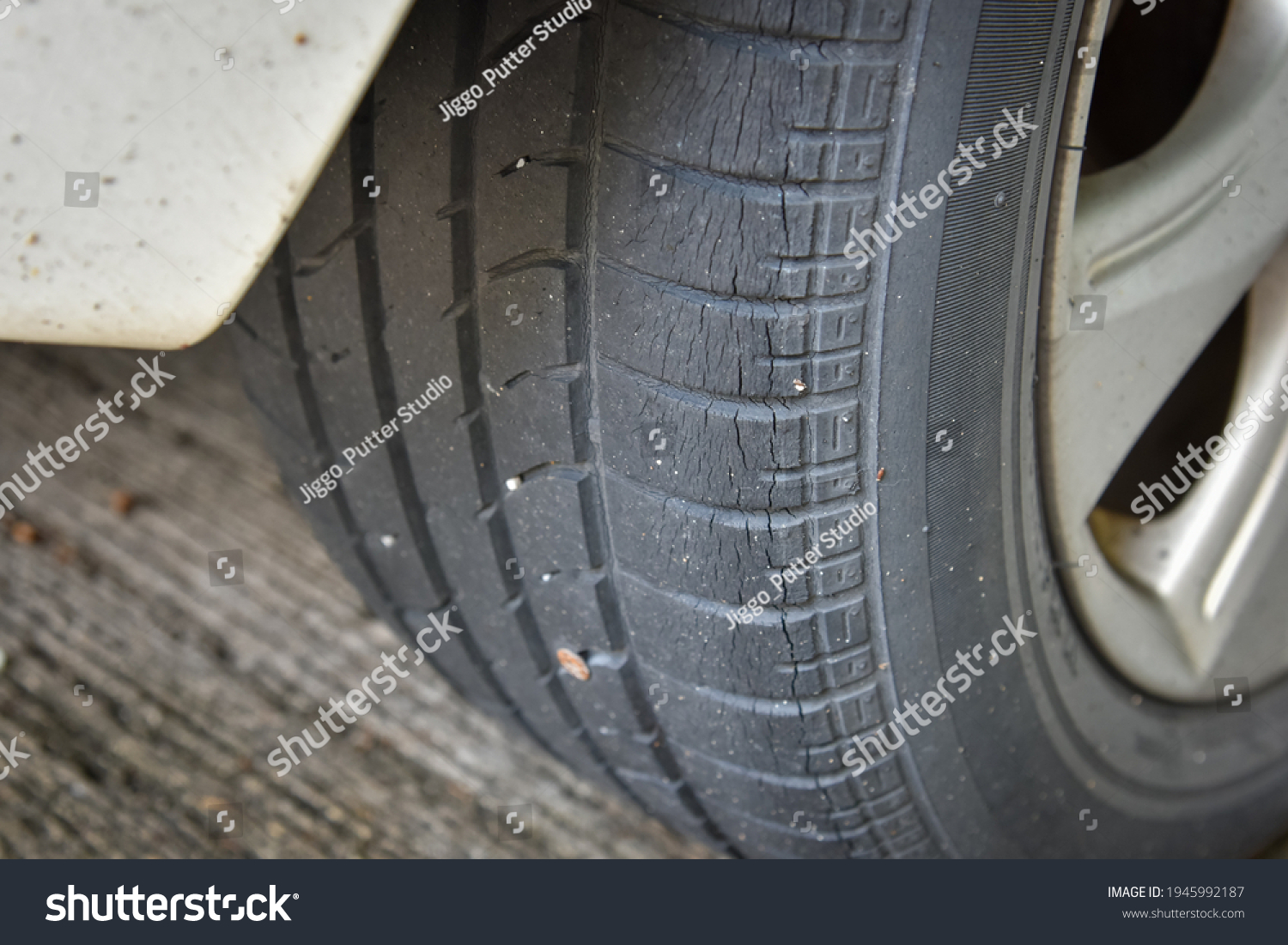
According to two sources, electric cars may wear out tires faster than comparable gasoline cars; one estimate is about 20% faster. That estimate comes from an expert interview and a commentary piece, not from a published test, so your own result may differ. This guide covers why, what the sources do and do not show, and what you can do about it.
How much faster do EV tires wear?
Ryan Pszczolkowski, who runs tire testing at Consumer Reports, told Science Friday in 2023 that tires wear out “roughly” 20% faster on EVs than on regular vehicles, and that replacement could possibly be needed almost twice as often depending on how, where and what you drive (Science Friday, July 2023). He added a track anecdote: tires that last about 25,000 miles on a conventional car wore out in about 12,000 on some EVs, in a group of roughly 22 or 23 EVs driven hard on a test track. That is not a typical-use figure.
A commentary by Edward Becker, who runs a friction and wear consulting firm, in Tribology & Lubrication Technology states that “several independent analyses conclude that real-world tire wear on EVs is about 20% greater than that of a similar conventional vehicle” (STLE, August 2023). It does not identify the analyses and gives only one reference link.
We found no published test that compares the same model as an EV and as a gasoline car. Treat 20% as a rough order of magnitude.
Why do EV tires wear out faster?
- Weight. Pszczolkowski says EVs are “10%, 20%, even up to 30% heavier” than combustion equivalents and calls weight “the number one factor.” Becker agrees that the answer “appears to be a function of vehicle weight,” because of the battery pack.
- Instant torque. Pszczolkowski points to the almost instantaneous torque of electric motors, and advises easier acceleration.
- Regenerative braking. Pszczolkowski describes regeneration as scrubbing rubber “as if you were accelerating, but in reverse.”
Emissions Analytics, a testing company that also sells consulting and a tire database, tested tire wear on combustion cars, not EVs. It concludes that “greater vehicle mass and torque delivered can lead to rapidly increasing tire particulate emissions” and, in the same report, that a gentle driver using regenerative braking “can more than cancel out the tire wear emissions from the additional weight” (Emissions Analytics; the text mentions a May 2022 launch). The report measures particulate emissions, not tread life, did not measure an EV, and itself says its ratios need “careful interpretation,” so we use it only for the mechanism.
How long do EV tires last?
No source we read gives a reliable mileage for EV tires, and there is no honest single number: it depends on the car, the tire, the roads and your driving. The only figures we can attribute are the ones above (about 20% faster wear; a track anecdote of 12,000 miles).
Tire age matters separately from wear: see our guide to tire age and the DOT date code to check how old your tires are.
What can you do about it?
- Accelerate and brake “a little easier,” which is Pszczolkowski’s own advice.
- Related reading: our guide to EV tire pressure and the differences covered in Electric Car Tires: How They Differ and What to Check.
- Accept a trade-off when choosing tires. Pszczolkowski notes that a tire built to last longer may give up some wet grip or snow traction.
Frequently asked questions
Do electric cars wear tires faster?
Two sources say so, by about 20%, but no published test backs the figure.
Is it the weight or the torque?
Both are cited; Consumer Reports’ tester calls weight the number one factor. We found no source that separates the two effects.
Does regenerative braking wear tires?
According to Pszczolkowski, strong regeneration scrubs rubber, while Emissions Analytics says a gentle driver using it can offset the extra weight. Both are about driving style.
How many miles will my EV tires last?
We cannot give a number the sources support.
Sources read on 2026-11-06: Science Friday (2023), Emissions Analytics (undated page, about 2022; company with commercial interests) and STLE/TLT (2023 commentary).