“`html
Jump-starting a car is a vital skill for any vehicle owner, offering a rapid solution to an unexpected dead battery and getting you back on the road. This comprehensive guide will walk you through the process of how to jump start a car safely and effectively using jumper cables, emphasizing critical safety precautions to prevent personal injury and vehicle damage.
While modern vehicle batteries, typically standard 12V units, are more reliable than ever, they can still fail due to various factors like extreme temperatures, prolonged inactivity, or simply reaching the end of their lifespan. Understanding the correct procedure for a jump start ensures you can handle such situations with confidence, whether you’re assisting another driver or needing a boost yourself.
What You’ll Need Before You Start the Jump-Start Process
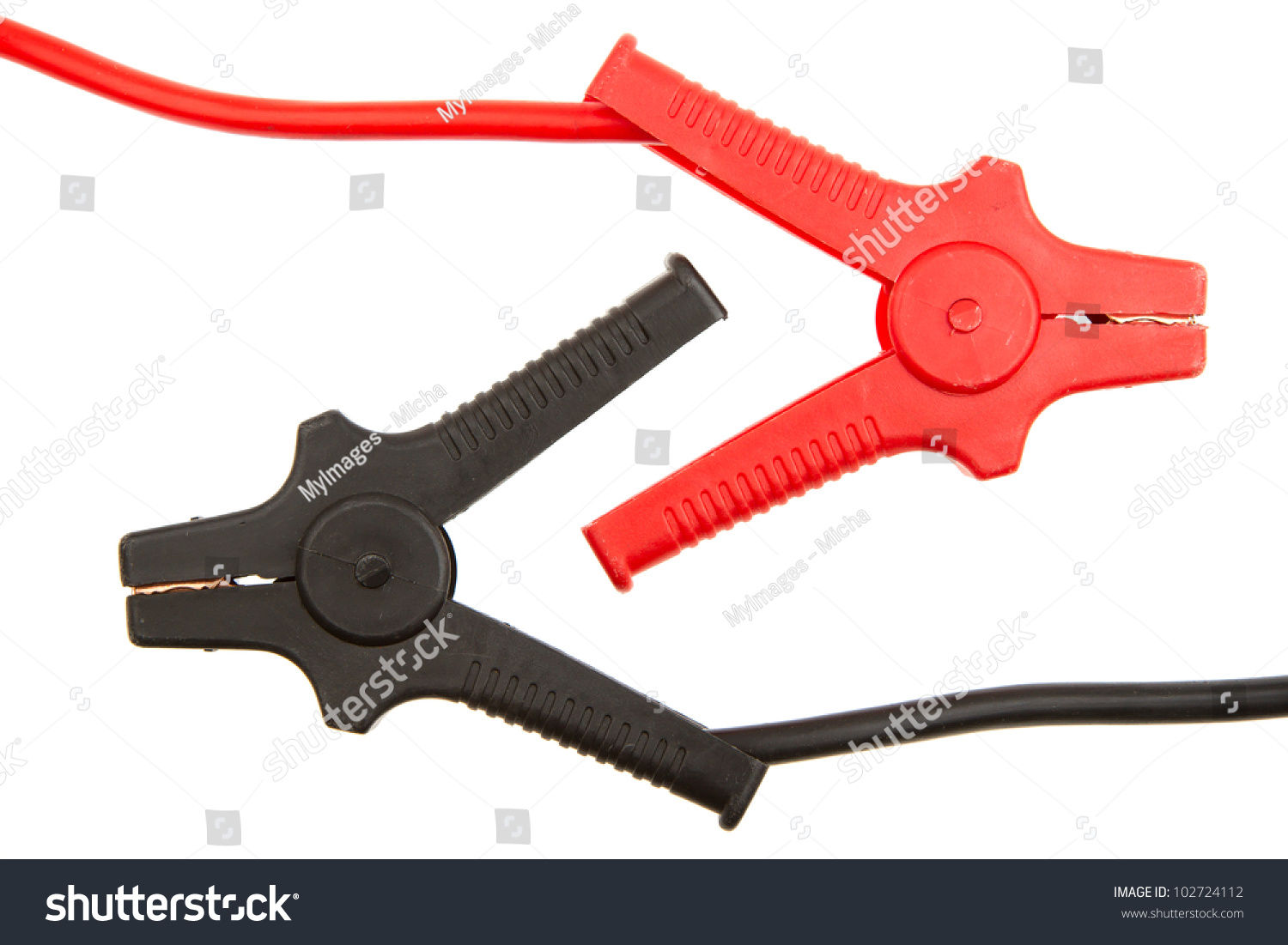
Before attempting to jump-start a vehicle, gathering the correct equipment is paramount for both safety and success. The primary tools required are a reliable set of jumper cables and a donor vehicle with a fully charged battery. Ensure your jumper cables are of adequate quality and length; for most passenger cars, 4- or 6-gauge copper cables are ideal, capable of handling 200–400 amps. Heavy-duty trucks, however, may necessitate thicker 2-gauge cables, designed for 500+ amps.
Cable length is another crucial consideration. While 10-foot cables might suffice if vehicles can be positioned bumper-to-bumper, 15- to 20-foot cables offer greater flexibility, allowing you to connect batteries regardless of vehicle orientation. Opt for cables made from 100% copper with robust insulation, capable of withstanding extreme temperatures, as thinner, copper-clad aluminum (CCA) cables can have higher res
“`