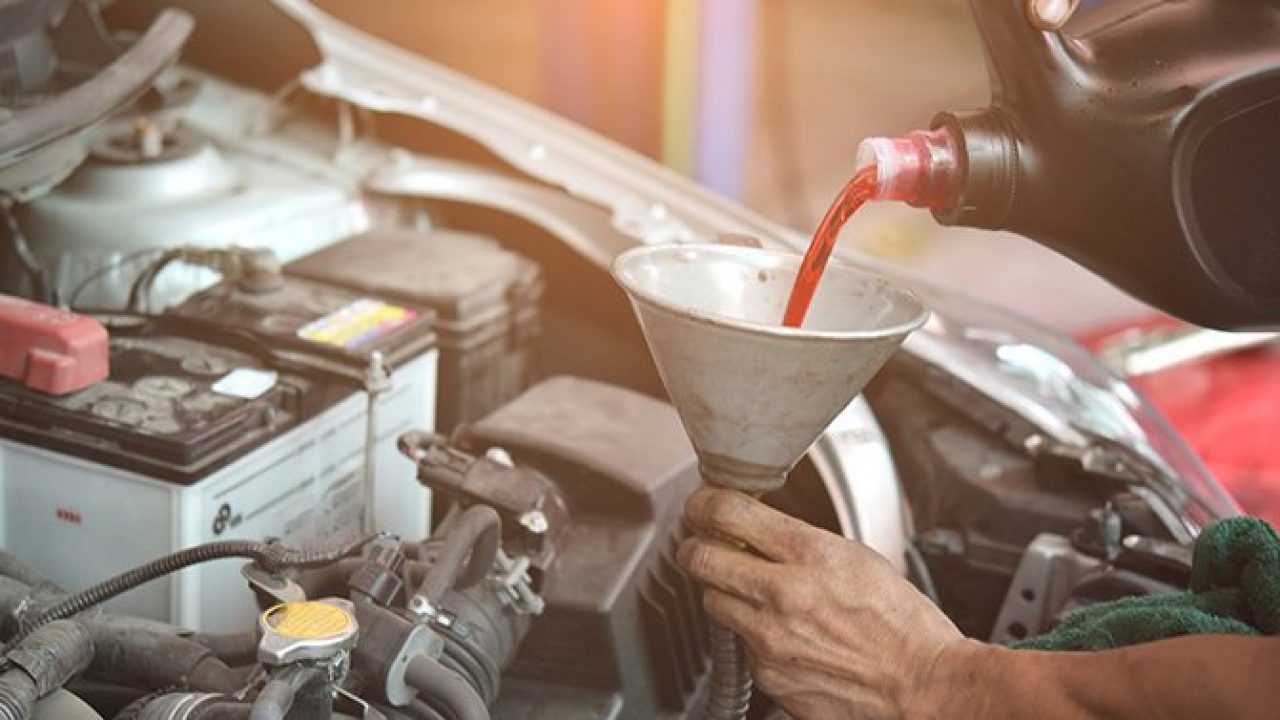
Identifying the specific indicators of degraded transmission fluid is essential for preventing premature gearbox wear and ensuring your vehicle operates at its best. Neglected transmission fluid can lead to catastrophic failure, jeopardizing your car’s functionality. When fluid degrades, it compromises the hydraulic pressure management within the gearbox, affecting critical functions such as lubrication, cooling, and power transfer.
Do Delayed or Harsh Gear Shifts Indicate Bad Transmission Fluid?
Indeed, significantly delayed or harsh gear shifts serve as primary indicators of deteriorating transmission fluid. As the fluid breaks down, its viscosity decreases, hampering its ability to effectively transmit the hydraulic pressure required for precise clutch engagement and disengagement. Consequently, you may experience shift durations exceeding 0.5 seconds or feel jolts, particularly during shifts from first to second gear. These symptoms can often mimic those of a failing transmission solenoid, disrupting the precise hydraulic control that is vital for smooth operation.
Why Does Transmission Slipping Occur with Degraded Fluid?
Transmission slipping, marked by the engine revving without a corresponding increase in vehicle speed, is a critical alarm of inadequate or failing transmission fluid. The hydraulic system relies on the fluid’s incompressibility and lubricating properties to effectively engage clutch packs and bands. When fluid levels drop or its frictional properties become compromised, the resulting lack of clamping force leads to clutch slippage. If unnoticed, these symptoms can swiftly escalate and inflict irreversible damage on your car’s gearbox.
Are Unusual Transmission Noises a Sign of Bad Fluid?
Absolutely. Unusual transmission noises, such as whining, humming, or clunking sounds, often signify fluid degradation. Healthy transmission fluid ensures vital lubrication for components like planetary gear sets and bearings. When the fluid quality deteriorates, increased metal-on-metal friction leads to audible noises during gear changes or acceleration. A high-pitched whine may signal low fluid levels or pump strain, while clunking could indicate serious internal wear.
What Does a Burnt Odor From Transmission Fluid Indicate?
A distinct burnt odor from your transmission fluid is an unmistakable sign of severe thermal degradation. Transmission fluid is designed to withstand standard operating temperatures ranging from 175°F to 200°F (79°C to 93°C). However, prolonged exposure to temperatures exceeding 250°F (121°C) can cause the fluid’s base oils to oxidize and its additives to break down, resulting in a burnt smell reminiscent of burnt toast. This indicates a considerable loss of lubrication and cooling capabilities, posing an immediate risk to transmission integrity.
Is Dark or Murky Transmission Fluid Always Bad?
Yes, dark brown or black transmission fluid, particularly if it has a murky or gritty texture, is a clear sign of severe degradation and potential contamination. Fresh automatic transmission fluid (ATF) typically appears as a translucent red or, in some cases, green. As it ages and collects particles from clutches and gears, it darkens progressively. Dark, opaque fluid is often a symptom of excessive wear, oxidation, or contamination, necessitating immediate fluid replacement. This is akin to how extremely dark brake fluid indicates contamination or moisture, both of which compromise hydraulic efficiency.
Can Low Transmission Fluid Levels Cause Performance Issues?
Yes, critically low transmission fluid levels directly hinder the hydraulic system’s operations, leading to various performance issues such as delayed engagements, harsh shifting, and overheating. The transmission fluid pump necessitates an ample reservoir of fluid to maintain adequate hydraulic pressure within the valve body and clutch circuits. If the fluid level drops below the ‘MIN’ mark on the dipstick—typically indicating a deficit of 0.5 to 1.0 quarts or 0.47 to 0.95 liters—it can result in air entrapment and cavitation, compromising overall pressure and functionality. Regular checks, preferably every 10,000 to 15,000 miles (16,000 to 24,000 km), are highly recommended.
Will Bad Transmission Fluid Trigger the Check Engine Light (CEL)?
Yes, degraded transmission fluid can indeed trigger the Check Engine Light (CEL) accompanied by specific Diagnostic Trouble Codes (DTCs). Modern transmissions contain sensors to monitor fluid temperature, pressure, and shift timing. Severe fluid degradation can impair components like pressure switches and solenoids, leading to operational parameters falling outside of specified ranges. Common DTCs may include P0700 (Transmission Control System Malfunction) and other codes related to pressure control solenoids, such as P0740 (Torque Converter Clutch Circuit Malfunction).
What Are the Consequences of Ignoring Degraded Transmission Fluid?
Turning a blind eye to degraded transmission fluid significantly heightens the risk of extensive internal transmission damage, often resulting in expensive component replacements or a complete transmission overhaul. Continuing to operate with compromised fluid leads to accelerated wear on clutch packs, bands, bearings, and gears, due to inadequate lubrication and increased friction. This wear manifests as irreversible damage, pitting on gear teeth, severe scoring of clutch surfaces, and the ultimate failure of the transmission’s hydraulic system. The cost of a full transmission replacement can range from $3,000 to $7,000, making regular fluid maintenance a far more economical option.
| Characteristic | New ATF (e.g., DEXRON-VI) | Moderately Degraded ATF | Severely Degraded ATF |
|---|---|---|---|
| Color & Clarity | Translucent Red (or Green), Clear | Darker Red/Brown, Slightly Opaque | Opaque Dark Brown/Black, Murky/Gritty |
| Odor | Slightly sweet, Petroleum-like | Slightly pungent, Metallic hint | Strong burnt odor (similar to burnt toast) |
| Viscosity (Kinematic @ 100°C) | Typical range: 5.8-6.5 cSt | Decreased, e.g., 5.0-5.5 cSt | Significantly decreased, e.g., < 4.5 cSt |
| Additive Package Integrity | 100% (friction modifiers, anti-wear agents) | Partially depleted (e.g., 50-70%) | Critically depleted (e.g., < 30%) |
| Contaminant Presence | Minimal (factory clean) | Minor wear particles, some oxidation products | High concentration of metallic particulates, carbon deposits |
Frequently Asked Questions About Bad Transmission Fluid
How often should transmission fluid be changed?
Most manufacturers recommend changing transmission fluid every 30,000 to 100,000 miles (48,000 to 160,000 km), with the exact interval varying based on the vehicle model and driving conditions. For the most accurate schedule, always refer to your vehicle’s owner manual.
Can I check my transmission fluid myself?
Yes, many vehicles enable a DIY transmission fluid check using the dipstick. Make sure to perform this check when the engine is warmed up and running in park, following your specific manufacturer’s instructions.
What should I do if my transmission fluid smells burnt?
If you detect a burnt odor in your transmission fluid, schedule a professional inspection and fluid service immediately to avert serious damage and costly repairs.
Is low transmission fluid the same as bad transmission fluid?
No, low transmission fluid refers to an insufficient quantity, while bad transmission fluid pertains to its deteriorated quality. Both conditions can lead to similar performance issues and severe transmission damage.