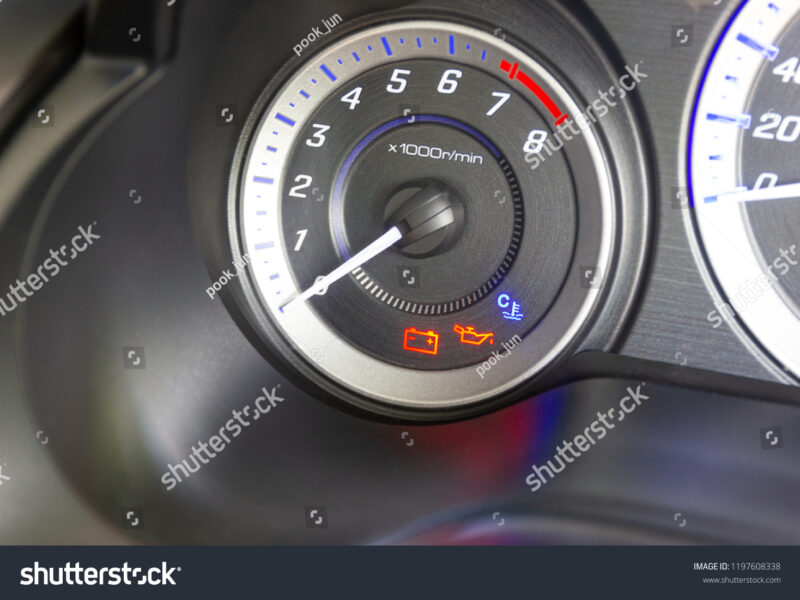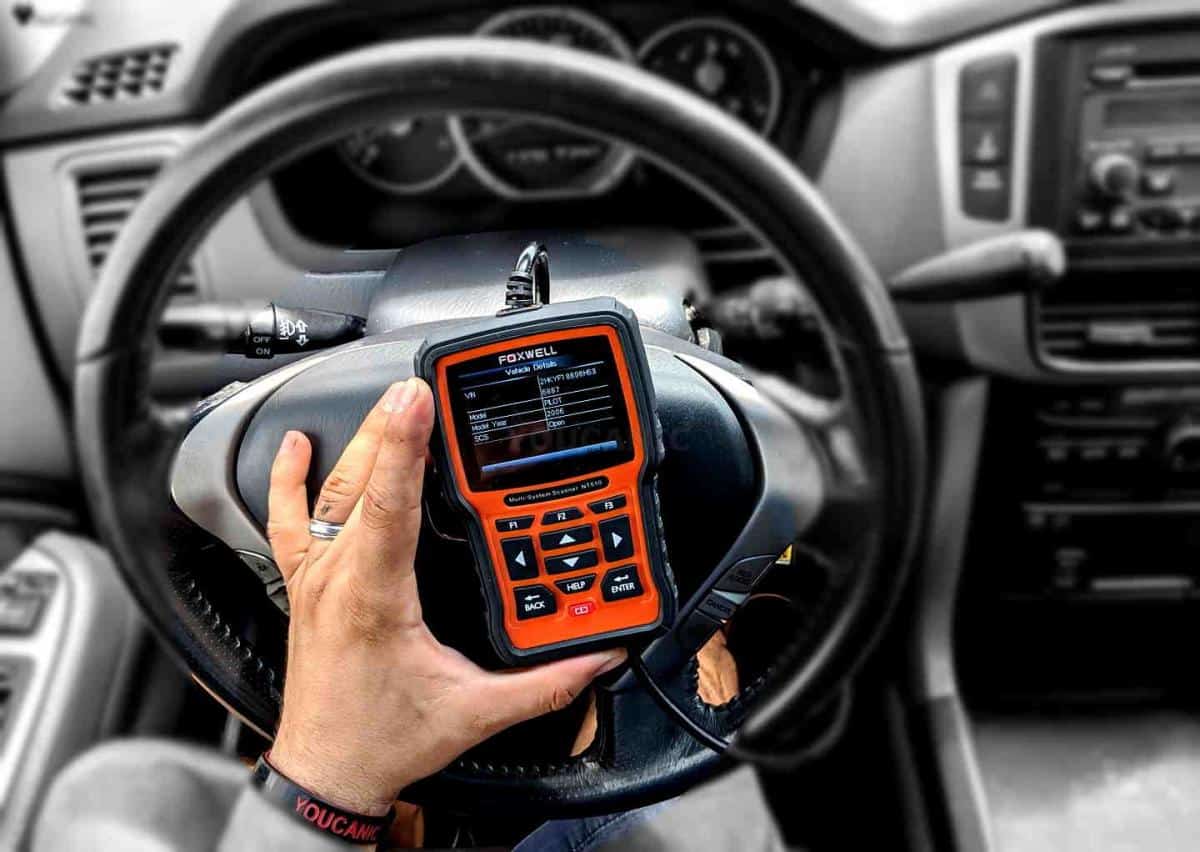
Resetting your ABS (Anti-lock Braking System) light without an OBD2 scanner may seem daunting, but it is entirely feasible through specific manual procedures. These steps typically involve cycling the system and manipulating the fuse, invaluable methods especially when diagnostic tools are out of reach. The ABS light serves as a warning sign, indicating potential malfunctions within the system, ranging from sensor malfunctions to issues with hydraulic pressure.
Can the ABS Light Be Reset Manually?
Absolutely! The ABS light can often be reset manually by utilizing a straightforward technique that involves cycling the ignition and pressing the brake pedal. This approach prompts the ABS control module to re-evaluate its parameters. For instance, many General Motors vehicles require drivers to turn the ignition key to the “ON” position without starting the engine, then press the brake pedal five to seven times within a 10-second interval, effectively cycling power to the ABS module to re-read sensor data.
What Is the Role of the ABS Fuse?
The ABS fuse is a pivotal safety component that controls power to the entire Anti-lock Braking System. Removing and reinserting this fuse acts as a hard reset for the ABS module. Locating the correct fuse is essential and can typically be found in your vehicle’s owner manual, as the layouts can vary widely across different makes and models. Generally, an ABS system draws between 20 to 30 amps, so knowing the specifications helps identify the proper fuse.
How Does Brake Fluid Level Affect the ABS Light?
Low brake fluid levels can directly illuminate the ABS warning light and lead to a “spongy” brake pedal. The hydraulic braking system depends on this incompressible fluid for effective force transmission. If the fluid levels fall below a certain limit, air can enter the hydraulic lines, jeopardizing both routine braking and ABS functionality. This critical issue demands quick resolution, as highlighted in 7 Dangerous Symptoms of Low Brake Fluid You Should Never Ignore. If you discover low levels, replenishing the fluid with the appropriate type, such as DOT 3 or DOT 4, and bleeding the system may alleviate the ABS light issue. If the fluid loss is significant, a thorough inspection for leaks is crucial, as detailed in The Ultimate Guide to Diagnosing and Fixing Brake Fluid Leaks Safely.
What Are the Technical Specifications for Brake Fluid?
Brake fluid specifications, governed by the Department of Transportation (DOT), define properties like boiling points and viscosity. For example, DOT 3 fluid has a minimum dry boiling point of 401°F (205°C) and a wet boiling point of 270°F (132°C). Conversely, DOT 4 fluid features higher boiling points (dry: 446°F/230°C, wet: 311°F/155°C). Additionally, DOT 5.1, a non-silicone-based fluid, boasts even greater boiling points (dry: 446°F/230°C, wet: 365°F/185°C). It is crucial to use the type specified by the manufacturer. Mixing incompatible fluids, particularly with DOT 3 and DOT 5, can severely damage seals and undermine the hydraulic braking system. Ensuring the correct fluid type is imperative, particularly concerning components like the brake fluid reservoir and master cylinder.
Can Wheel Speed Sensor Issues Trigger the ABS Light?
Indeed, faulty wheel speed sensors frequently cause the ABS light to illuminate. Each ABS-equipped wheel consists of a sensor that monitors its rotational speed. When a sensor fails, collects dirt, or experiences damaged wiring, the ABS control module may receive erroneous or absent data, activating the warning light. A common failure mode is an interruption in the sensor’s output signal, leading the module to log a Diagnostic Trouble Code (DTC) for that wheel’s speed. Cleaning or replacing the malfunctioning sensor and its wiring typically resolves the problem enabling a manual reset.
What Are the Differences Between ABS Reset Methods?
Various vehicles employ distinct strategies for ABS light reset. The ignition-cycle-and-brake-pedal method is common in older domestic models. However, some European counterparts may require a specific sequence, such as accelerating to speeds between 10-15 mph followed by firm braking, or alternatively, turning the steering wheel fully left and then fully right while the ignition is on. It’s imperative to reference your vehicle’s service manual for the precise procedure. This is also crucial when considering braking components, as highlighted in Top 5 Best Brake Pads for Heavy Towing and Hauling in 2026, where compatibility is relevant.
Comparative Analysis of Manual ABS Reset Techniques
The following table compares common manual ABS reset techniques, illustrating their general applicability and core actions:
| Method | Typical Vehicle Application | Core Action | Potential Success Rate (General Estimate) |
|---|---|---|---|
| Ignition Cycle & Brake Pedal Press | Older GM, Ford, Chrysler | Cycle ignition ON; press brake pedal 5-7 times within 10 seconds. | 70% for minor glitches |
| Fuse Pull & Reinsert | Various makes/models | Locate and remove ABS fuse for 1-2 minutes, then reinsert. | 60% for system resets |
| Driving Cycle (Acceleration/Braking) | Some European models, newer vehicles | Drive at low speed (e.g., 10-15 mph), then brake firmly. Repeat if necessary. | 50% for intermittent faults |
What Torque Specifications Are Relevant for ABS Components?
While not directly part of a manual reset, grasping torque specifications is critical when working on ABS components, particularly wheel speed sensors and their mounting brackets. For example, a mounting bolt for a wheel speed sensor on a Ford F-150 typically requires around 89 lb-in (10 Nm) of torque. Overtightening can result in stripped threads or damage to the sensor housing, while undertightening may cause misalignment or vibration, risking the reactivation of the ABS light. Always refer to the specific service manual for accurate torque values, which generally range from 7 to 25 lb-ft (9.5 to 34 Nm) for most sensor applications.
Frequently Asked Questions (FAQ)
How long should I leave the ABS fuse out to reset the system?
Leaving the ABS fuse out for a minimum of 60 seconds typically allows sufficient time to discharge any residual power in the ABS control module capacitors, facilitating a proper reset upon reinsertion.
Can disconnecting the battery reset the ABS light?
Yes, disconnecting the vehicle’s battery for at least 15-30 minutes will reset the ABS module’s memory, effectively clearing any stored codes. Just be sure to reset your radio presets and clock afterward!
What if the ABS light stays on after attempting these steps?
If the ABS light remains illuminated after these manual reset attempts, it suggests an ongoing fault that necessitates a diagnostic scan with an OBD2 scanner or professional service to uncover and repair the underlying issue, such as a faulty ABS module or hydraulic control unit.