Ensuring your car brakes operate at peak efficiency is essential for both safety and performance. In this guide, you’ll discover actionable insights and expert advice to maintain your brake system, empowering you to navigate the roads with absolute confidence.
What are the recommended intervals for routine car brake inspections?
To maintain optimal performance and safety, it’s advisable to carry out a comprehensive inspection of your car’s brake system—including brake pads, rotors, and fluid levels—every 10,000 kilometers. Such proactive measures can help preempt critical malfunctions.
Which specific components require meticulous checking within the brake system?
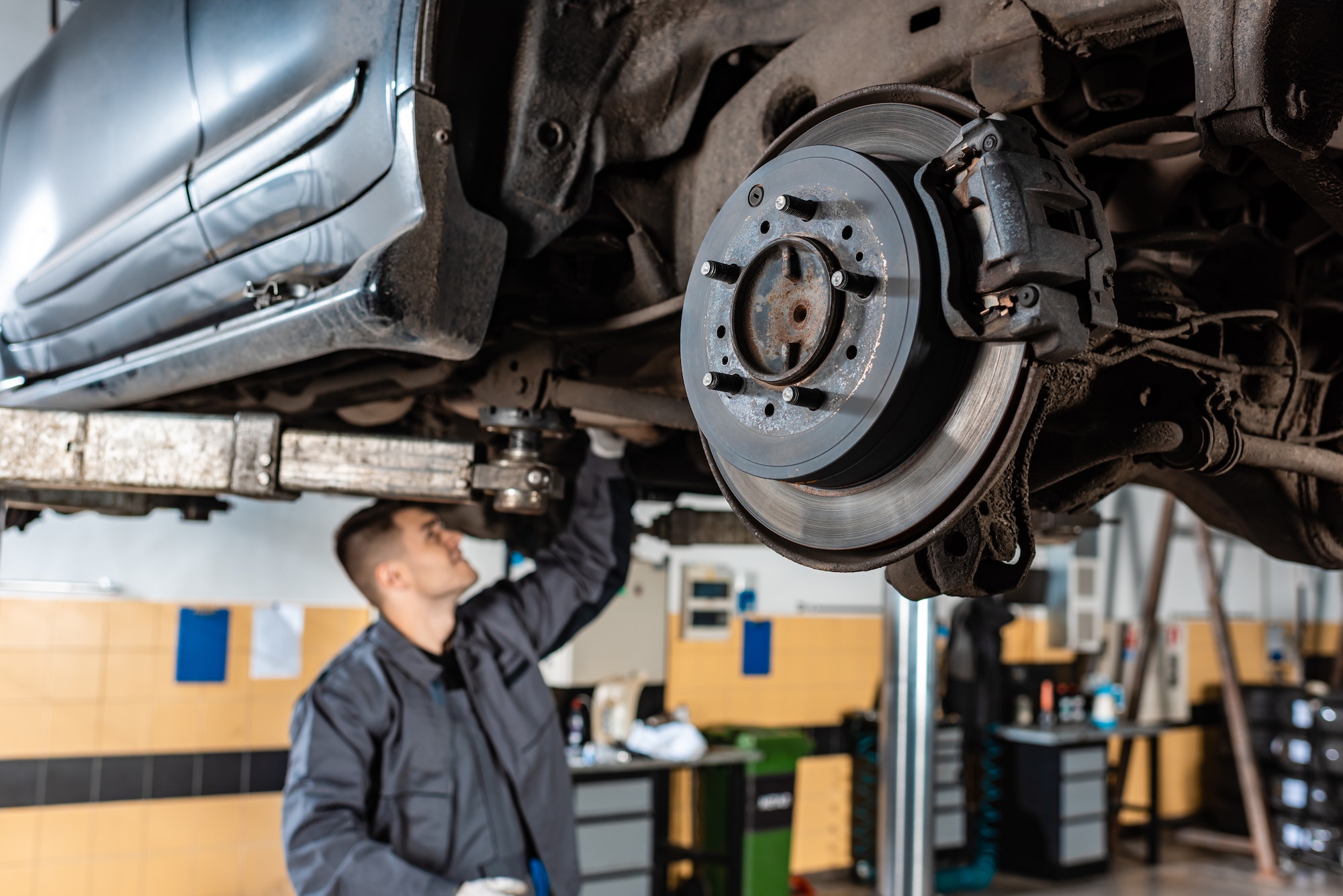
Key components that demand careful examination include brake pads, rotors, calipers, and brake fluid. Best practices dictate that brake pads should be replaced when their thickness falls below 3 mm, ensuring effective braking force remains intact.
How does the condition of brake fluid directly influence vehicle safety?
The integrity of brake fluid is paramount, as it’s the medium through which hydraulic pressure is transmitted within the braking system. Contaminated or degraded fluid can lead to a spongy brake pedal, raising alarm for potential system failure. Schedule a brake fluid change every 2 years or after 40,000 km of use to prevent internal corrosion and maintain consistent hydraulic performance.
What are the precise technical specifications for different grades of brake fluid?
Selecting the correct brake fluid is crucial as different formulations exhibit distinct performance characteristics, particularly regarding boiling points. Adhering to manufacturer specifications ensures that the hydraulic system performs optimally.
| Brake Fluid Grade | Dry Boiling Point (°C) | Wet Boiling Point (°C) | Governing Standard |
|---|---|---|---|
| DOT 3 | 205 | 140 | FMVSS 116 |
| DOT 4 | 230 | 155 | FMVSS 116 |
| DOT 5.1 | 260 | 187 | FMVSS 116 |
| DOT 5 (Silicone-based) | 260 | 175 | FMVSS 116 |
Note: The wet boiling point indicates the temperature at which fluid boils after absorbing 3.7% moisture by volume, a crucial measure for long-term performance.
Why is periodic cleaning of the brake system considered essential for sustained efficiency?
Brake dust and road debris can hinder the functionality of brake components, resulting in premature wear and decreased stopping power. It’s advisable to perform a thorough cleaning every 30,000 km to mitigate these risks and preserve the efficiency of your braking system.
What is the technically recommended procedure for cleaning the brake system?
Use a high-quality automotive brake cleaner aerosol, applying it directly to the brake components while ensuring good ventilation. Avoid contact with friction surfaces like pads and rotor faces, as this could compromise their effectiveness. Allow parts to air dry completely before reassembly.
What are the critical parameters for performing a vehicle brake system test?
The stopping distance is a critical indicator of brake system health. If a vehicle requires more than 30 meters to decelerate from 100 km/h on a level surface, it’s time to seek professional diagnosis and repair.
How should brake system performance tests be executed for accurate results?
Conduct tests on a dry, flat surface. Perform sudden, controlled braking from a moderate speed (e.g., 60 km/h) and carefully measure the stopping distance. Compare these results against established safety benchmarks and vehicle manufacturer specifications to ensure reliability.
What are the specific consequences of wear on integral brake system components?
Degraded brake pads and worn rotors can severely diminish braking efficiency, resulting in longer stopping distances and higher accident risks. This deterioration can jeopardize overall vehicle safety.
What are the characteristic auditory and tactile indicators of brake component wear?
Be alert for high-pitched squeals or grinding noises during braking, along with any tactile symptoms such as pulsating vibrations in the brake pedal. Inspect your brake system every 20,000 km, or immediately if you notice unusual braking behavior.
What specific torque values are critical for reassembling brake system components?
Applying precise torque is vital for the reliable function of brake components. For example, lug nut specifications typically range from 90 to 140 lb-ft (122 to 190 Nm), varying by vehicle make and model. Similarly, brake caliper mounting bolts generally require torque values between 20 to 30 lb-ft (27 to 40 Nm), which must be verified with your vehicle’s service manual to prevent component failure.
FAQ – Frequently Asked Questions
How frequently is a diagnostic check of the car’s braking system mandated?
To ensure optimal functionality and safety, perform diagnostic checks on your braking system every 10,000 kilometers.
What immediate technical intervention is required if the brake pedal exhibits a spongy sensation?
A spongy brake pedal typically indicates air in the hydraulic lines, necessitating an immediate brake fluid flush and bleeding to restore proper hydraulic pressure.
How do thermal variations directly impact the operational integrity of brake components?
Significant temperature fluctuations—especially under heavy braking—can induce thermal stress that leads to rotor warping. This compromises the flat contact surface between the pads and rotors, reducing braking efficacy and creating dangerous vibrations.