Understanding the advanced diagnosis of the brake system is not just a technicality; it is an essential component of road safety and optimizing vehicle performance. At its core, brake system diagnosis involves precise identification of faults and calibration of crucial electronic components in modern vehicles. Recognizing the intricate workings of the brake system can profoundly impact both safety and efficiency on the road.
For automotive professionals and passionate DIY enthusiasts, having the right tools is vital for carrying out effective diagnostics. The journey begins with understanding what tools are essential for accurate brake system assessments.
What Are the Essential Diagnostic Tools for the Brake System?
To achieve precise diagnostics, a range of specialized tools is essential. These instruments go beyond mere visual inspections, allowing users to assess hydraulic integrity, evaluate the condition of mechanical components, and ensure the functionality of electronic systems such as ABS.
- Automotive Diagnostic Scanners (OBD2 and Specific): Advanced OBD2 scanners are critical in diagnosing issues related to brake fluid levels, pressure sensor failures, and brake switch circuit problems. Models like the Launch X431 V+ or the ANCEL X7 facilitate not just code reading but also active testing and ABS purging. For those needing in-depth vehicle-specific information, OE-level scanners like the Launch X431 V+ are invaluable. For commercial vehicles, JPRO Professional software specializes in diagnosing and repairing ABS components.
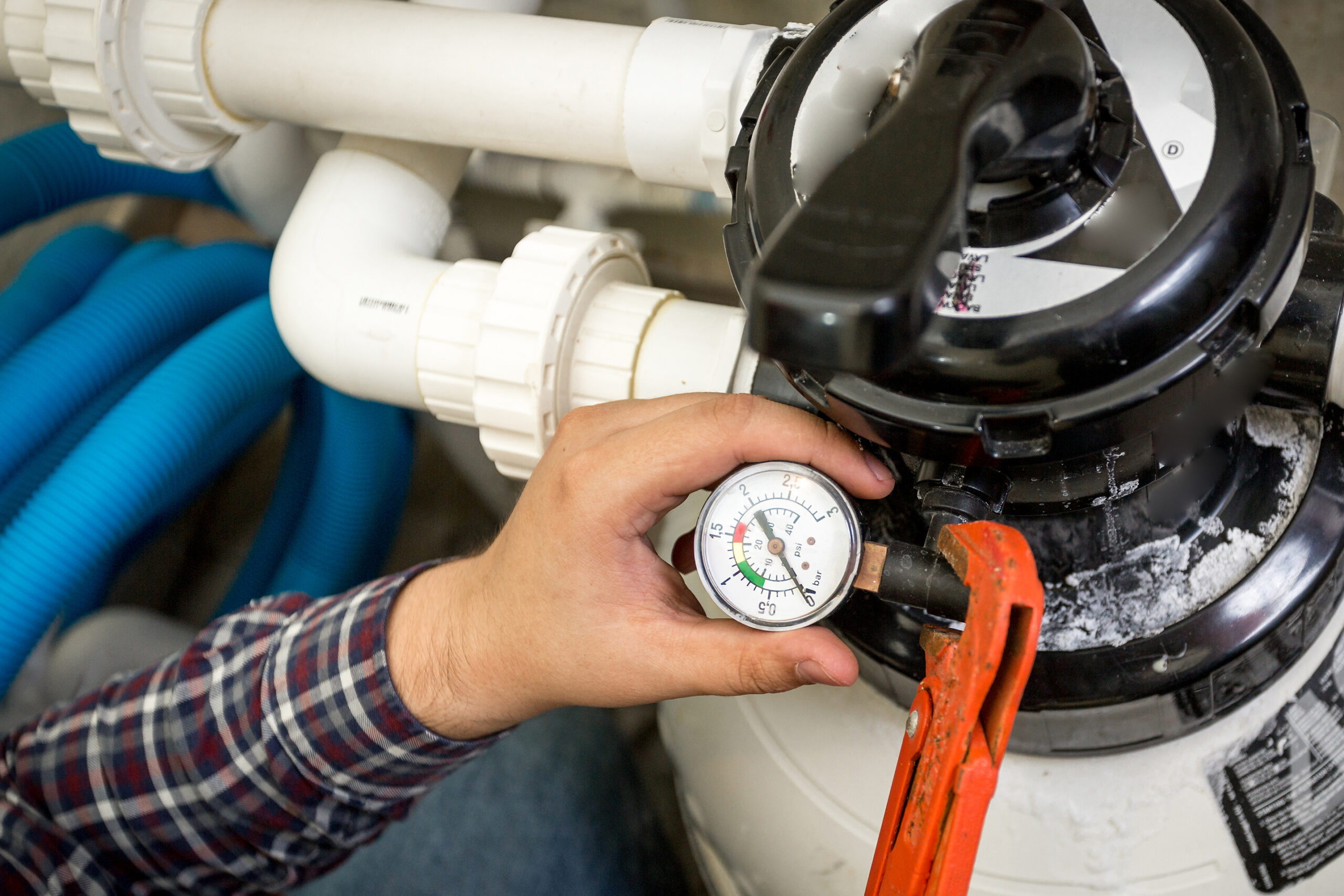
- Brake Pressure Gauges: These instruments are crucial for measuring hydraulic pressure within the brake system to ensure the master cylinder and brake lines are functioning correctly. A dual gauge typically measures pressures from 0 to 210 bar (0 to 3045 psi) and is compatible with adaptors for 99% of vehicles. Standard tests for a master cylinder require it to maintain a pressure of 1000 psi.
- Digital Multimeters: These tools are indispensable for diagnosing ABS sensors, wiring, and electrical components. Set to 2000 ohms (2k?), a multimeter enables users to measure the internal resistance of passive ABS sensors. A reading of “1” or “OL” signifies an open circuit, while 0 ohms indicates a short circuit. It’s important to note that active sensors should display a voltage between 5 to 12V with the ignition on, along with an alternating signal of 0.9V to 1.65V while in motion.
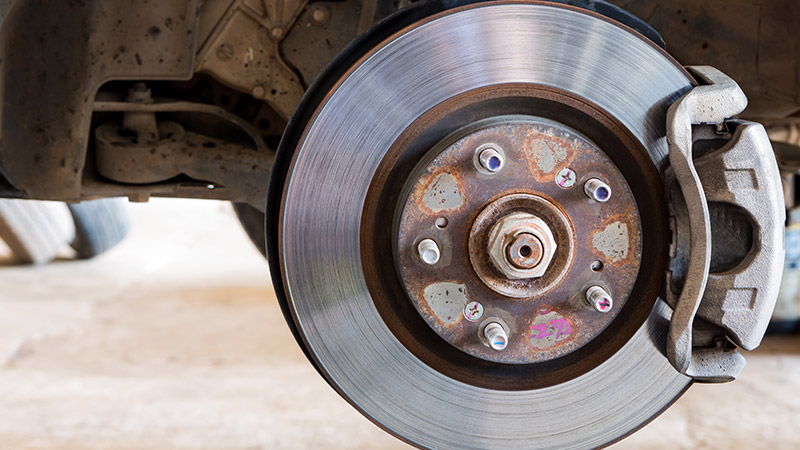
- Digital Calipers for Rotors and Pads: A digital caliper facilitates accurate measurement of brake rotor thickness and friction material on pads. Typically, the minimum pad thickness ranges from 3 mm to 4 mm, and immediate replacement is necessary once reached. Per ECE R90 regulations, replacement pads must match the performance of the originals (OEM).
How Are Specific Brake System Failures Diagnosed?
Diagnosing brake system failures entails a systematic approach to pinpoint root causes, whether they stem from worn components or complex hydraulic or electronic failures.
How to Identify Worn Brake Pads and Rotors?
Brake pads naturally wear with use, typically lasting between 50,000 to 100,000 kilometers, depending on driving conditions. Pads need replacement once the thickness reaches 3 mm to 4 mm. Rotors should be inspected during every pad change and generally require replacement every two pad changes, or roughly every 100,000 kilometers in normal conditions. An audible high-pitched squeal when braking often signals that the pads have hit their wear limit, activating a metal indicator. The thickness variation in the brake rotor (DTV) can be monitored using a portable DTV Kit.
What Techniques Are Used to Diagnose Brake Fluid Leaks?
Brake fluid leaks pose a serious risk, potentially leading to loss of braking pressure. These leaks often leave a hazardous slippery surface, typically appearing as light yellow to brown stains. Common sources include worn brake lines, deteriorated seals, or issues with the master or wheel cylinders. A thorough visual inspection of hoses and connections is the first order of business. Pressure testing can reveal any hidden leaks in lines and hoses. If the brake pedal feels spongy and sinks after several presses, this often indicates a leak within the system.
How Are Failures in the Master Cylinder Diagnosed?
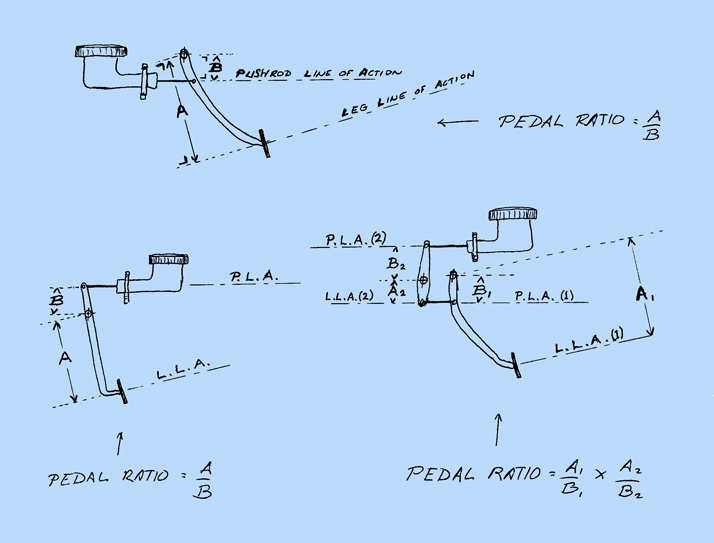
The master cylinder serves a critical role by converting pedal force into hydraulic pressure for brake activation. Malfunctions can become evident through a spongy feel or a pedal that sinks to the floor. Diagnosis commonly involves testing for both internal and external leakage, along with hydraulic pressure checks. Advanced OBD2 scanners may detect faults related to pressure sensors or low fluid levels, but will not identify purely mechanical failures such as worn seals. If you observe swirling or bubbling brake fluid in the reservoir when pressing the pedal, this is a strong indicator of potential master cylinder failure.
What Diagnostic Techniques Apply to ABS System Issues?
Anti-lock braking systems (ABS) have been mandatory in Europe since 2003, significantly reducing the risk of wheel lockup during sudden stops. The illumination of the ABS warning light on the dashboard is a clear signal that something is amiss. Symptoms often include unusual pulsations in the brake pedal, extended stopping distances, vehicle instability, or noticeable clicking noises. The ABS module includes both an electronic control unit (ECU) and a hydraulic unit.
Diagnostic tools for ABS encompass scanners capable of reading specific error codes (e.g., P0500 for a faulty wheel speed sensor, C0035 for ABS circuit failures) and displaying real-time data. Checking ABS sensors involves several steps, such as visual inspections, verifying power, and measuring resistance in inductive sensors. For active sensors, voltage measurements should fall between 5-12V, with square wave signals reviewed using an oscilloscope. Ignoring the ABS warning light or using inappropriate brake fluid can further exacerbate failures and jeopardize ABS pump longevity.
What Are the Symptoms of Brake System Failures and Their Associated Causes?
Recognizing symptoms is the crucial first step toward an effective diagnosis. Each signal emitted by your vehicle may point to a specific component or an interconnected issue within the braking system.
| Main Symptom | Likely Cause | Typical Diagnosis and Solution |
|---|---|---|
| Soft or sinking brake pedal | Air in the hydraulic system (due to improper bleeding or leaks), low brake fluid level, internal master cylinder failure. | Leak inspection, bleeding the system (Beyond the Basics: Exploring Different Brake System Bleeding Methods), master cylinder pressure testing (1000 psi). |
| Hard brake pedal requiring excessive force | Booster failure, obstruction in vacuum or hydraulic lines, stuck caliper pistons. | Check vacuum on the brake booster, inspect hoses, and verify vacuum pump functionality (if applicable). |
| Noise (squeaks, screeches, thumps) while braking | Excessive pad wear (less than 3 mm), warped or dirty rotors, low-quality or crystallized pads, loose components. | Conduct visual inspections and measurements of pads/rotors; clean or replace components per ECE R90 regulations. |
| Vibration in pedal or steering wheel during braking | Warped brake rotors or DTV, worn suspension or directional components. | Measure DTV with specialized tools, inspect wheel bearings, and ball joints. |
| Vehicle pulls to one side while braking | Stuck brake caliper, obstructed brake hose, uneven pad wear, uneven pressure in the braking system. | Inspect calipers and hoses; check brake pressure at each wheel using gauges. |
| ABS/Brake warning light illuminated | Wheel speed sensor failure, defective ABS module, low brake fluid level, electrical issues in the ABS circuit. | Scan for error codes (DTC), test ABS sensors with a multimeter (2k? resistance or 5–12V voltage). |
Modern brake systems enhance safety through dual-circuit setups, minimizing the risk of total failure compared to older single-circuit systems Mastering Your Car’s Brake System: Maintenance, Repair & Upgrades.
Frequently Asked Questions (FAQ)
- What resistance value should an ABS sensor have?
- For inductive ABS sensors, typical resistance usually falls between 800 to 1400 ohms (800? – 1.4k?), although this may vary by manufacturer. A multimeter set to 2000 ohms is suitable for these measurements.
- Can I bleed the ABS system at home?
- Many ABS systems require a scanner-assisted bleeding procedure (either pressure or vacuum bleeding), especially if air has entered the ABS module since traditional manual bleeding may not be effective. For further information, refer to Beyond the Basics: Exploring Different Brake System Bleeding Methods.
- What is the normal pressure in brake lines?
- Brake system pressure typically ranges from 1000 to 2000 psi (approximately 70 to 140 bar) in high-demand applications. During testing, the master cylinder should maintain a pressure of 1000 psi, with brake pressure sensors designed for a range of 0 to 260 bar (0 to 3770 psi).
- What does it mean if my brake pedal pulses abnormally?
- Unusual pulsations in the brake pedal, particularly in ABS-equipped vehicles, may signal a malfunction in the wheel speed sensors or the ABS control module, even if the ABS is not actively engaged.
- How often should I check the brake fluid?
- Brake fluid is hygroscopic, meaning it absorbs moisture over time, which reduces its boiling point and induces corrosion. It is advisable to check its boiling point annually and replace it according to manufacturer specifications, generally every 2 years or after 40,000 to 60,000 kilometers.