Replacing your car’s air filter can seem daunting, but with the right guidance, it becomes an empowering task. A clean air filter not only optimizes engine performance but also enhances cabin air quality. This comprehensive guide will lead you through the different types of air filters, the necessary tools, and a straightforward, step-by-step process to ensure a successful replacement.
What Are the Two Main Types of Air Filters in a Car and Where Are They Located?
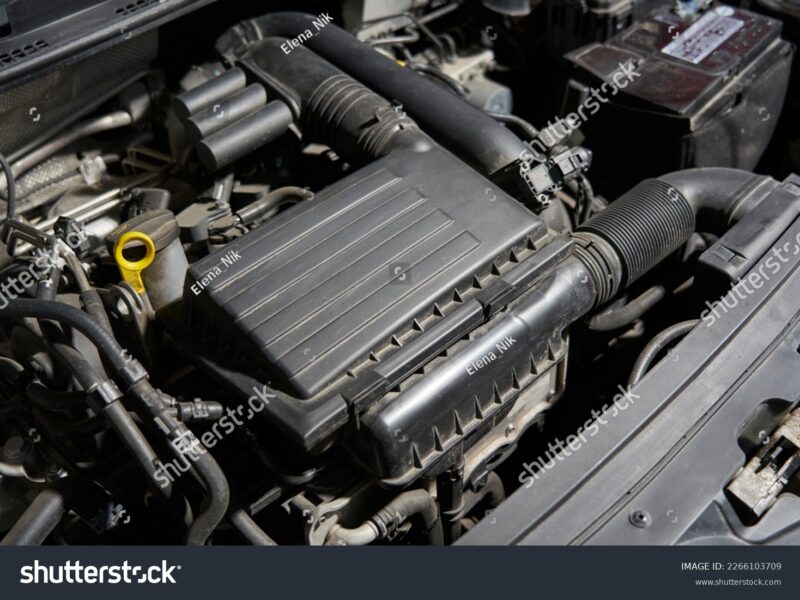
When it comes to vehicle maintenance, two critical air filters play a vital role: the engine air filter and the cabin air filter. The engine air filter is typically housed in the air filter enclosure, connected to the engine’s intake duct, and is generally found within the engine compartment.
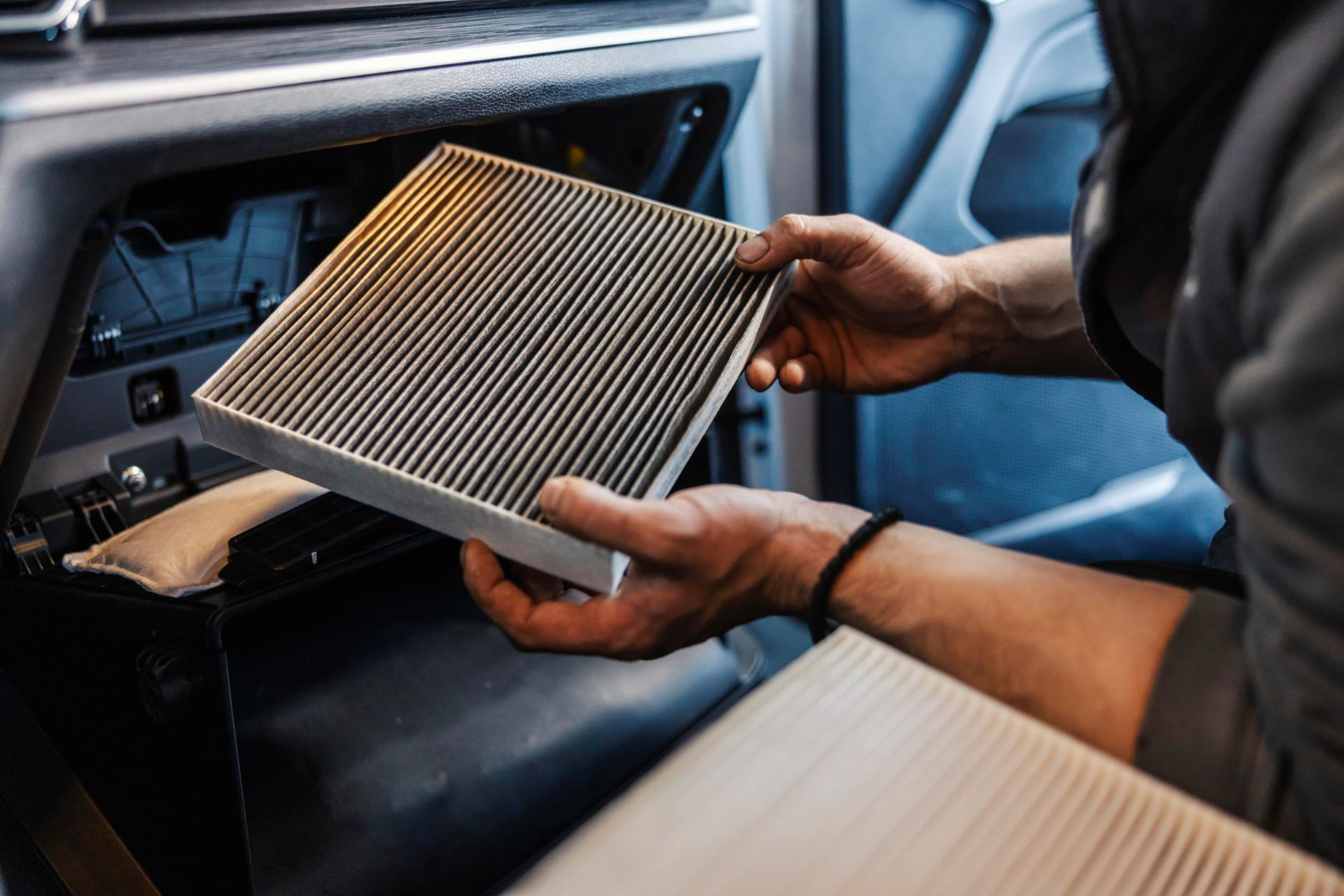
In contrast, the cabin air filter resides inside the vehicle, often positioned behind the glove compartment, beneath the passenger-side dashboard, or in the engine compartment near the firewall, concealed under a protective cover. For precise locations and access methods, refer to your vehicle’s owner’s manual.
What Specific Tools Are Required to Change an Engine Air Filter?
To successfully change the engine air filter, you will need a modest toolset, typically including a Phillips screwdriver (PH2), a flat-blade screwdriver (SL6), and, depending on your vehicle model, a socket wrench set (commonly ranging from 8 mm to 10 mm) for loosening clamps or screws on the filter casing. For vehicles with intricate intake systems, a tool for removing plastic clips may also be necessary.
Maintaining a clean engine air filter is crucial as it helps prevent abrasive particles like dust, dirt, pollen, and debris from entering the engine cylinders, thereby reducing wear and oil contamination, ultimately extending the engine’s lifespan.
How Do You Change the Engine Air Filter Step by Step?
- Preparation and Access: Ensure the engine is turned off and cool. Open the hood and locate the air filter housing, typically a rectangular or cylindrical plastic box.
- Disconnect Components: Carefully detach any hoses or sensors connected to the housing. This may involve loosening clamps using the flat screwdriver or socket wrench or removing electrical connectors.
- Open the Housing: Unlock the metal clips or unscrew the housing cover to gain access to the filter.
- Remove the Old Filter: Lift the cover and extract the old air filter, taking note of its orientation for the new installation.
- Clean the Housing: Use a clean, dry cloth to wipe the interior of the housing, removing any dirt or debris that may have accumulated.
- Install the New Filter: Insert the new engine air filter, ensuring it is snug and oriented correctly. Opting for an OEM (Original Equipment Manufacturer) filter or a high-quality alternative is advisable, as these meet your vehicle manufacturer’s specifications.
- Reassemble: Replace the housing cover, securing it with clips or screws. Reconnect any previously detached hoses or sensors.
What Tools Are Needed to Change a Cabin Air Filter?
Changing the cabin air filter typically requires simpler tools. Generally, you will need a Phillips screwdriver (PH2) for removing screws from the glove compartment or access panels. In some models, a plastic trim tool may be helpful to prevent damage to interior covers.
An obstructed cabin air filter can significantly impede airflow, forcing the HVAC (Heating, Ventilation, and Air Conditioning) system to work harder. If the filter becomes saturated with contaminants, it can decrease the vehicle’s energy efficiency and potentially harm HVAC components.
How Do You Change the Cabin Air Filter Step by Step?
- Locate the Filter: Consult your owner’s manual to find the cabin air filter housing, typically behind the glove compartment or beneath the dashboard.
- Access the Housing: If the filter is behind the glove compartment, you may need to release stops or remove screws to lower it. If it is beneath the dashboard, you might need to remove a plastic cover.
- Remove the Filter Cover: Dislodge the clips or unscrew the screws securing the cabin filter housing cover.
- Extract the Old Filter: Carefully slide the old filter out, ensuring you note the airflow direction indicated by the frame’s arrow.
- Clean and Inspect: Clear any leaves or debris from the housing. Inspect the filter tray for obstructions.
- Install the New Filter: Insert the new cabin air filter, confirming the airflow arrow points towards the cabin. A cabin air filter is critical as it filters solid particles such as dust, pollen, mold, and bacteria, ensuring excellent indoor air quality.
- Reassemble: Secure the filter housing cover, reattach any clips or screws, and reinstall the glove compartment or any removed panels.
How Do Engine Air Filters Compare in Terms of Material and Efficiency?
Selecting the right engine air filter extends beyond just size—it encompasses material quality and filtration efficiency. Below is a comparative table outlining common filter types:
| Feature | Paper/Cellulose Filter (Standard) | Synthetic Fiber Filter (Premium) | Oiled Cotton Filter (Performance) |
|---|---|---|---|
| Main Material | Pleated cellulose | Unwoven synthetic fibers | Multi-layer oiled cotton gauze |
| Typical Filtration Efficiency | ~98-99% of particles > 5 microns | ~99.5% of particles > 1 micron | ~99% of particles > 5 microns (design-dependent) |
| Airflow Resistance | High (new) | Moderate | Low (favors airflow) |
| Suggested Replacement Interval | 15,000 – 20,000 km or 1 year | 20,000 – 30,000 km or 1 year | Washable and reusable (requires re-oiling) |
| Approximate Cost (€) | 10-25 | 20-40 | 40-80 (higher initial cost, potential long-term savings) |
Frequently Asked Questions about Changing Car Air Filters
How often should I change the engine air filter?
It’s recommended to replace the engine air filter every 15,000 to 20,000 kilometers or at least once a year, depending on driving conditions and the accumulation of dirt.
When should I replace the cabin air filter?
The cabin air filter should be changed every 15,000 to 25,000 kilometers or annually, particularly if you notice a significant decline in airflow from the climate control system or detect unpleasant odors.
Can I clean my air filter instead of replacing it?
Pleated paper and standard synthetic filters should not be cleaned with pressurized air or water, as this can damage their filtering medium; they need to be replaced. However, oiled cotton performance filters are washable and reusable when following the manufacturer’s instructions.
Does the engine air filter affect fuel consumption?
Indeed, a clogged engine air filter can restrict airflow to the engine, resulting in inefficient combustion and a slight increase in fuel consumption.