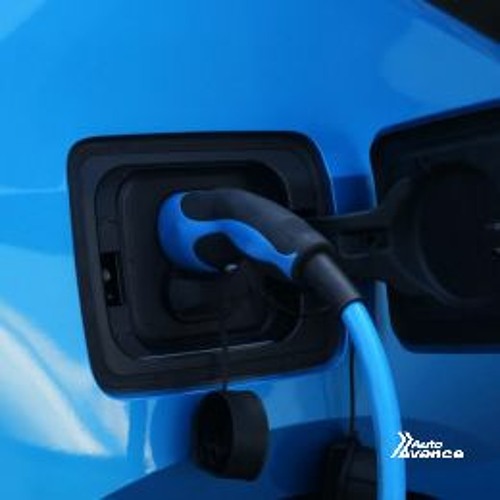
The modern electric vehicles (EVs) of today are not merely technological marvels; they are engineered with a plethora of advanced active and passive safety features that deliver comprehensive protection for both passengers and other road users. While lithium-ion battery packs are designed with stringent safety measures and typically come with an 8-year or 100,000-mile warranty, the overall safety engineering of these vehicles extends far beyond battery protection. This engineering incorporates structural innovations, enhanced thermal management strategies, and cutting-edge Driver Assistance Systems (ADAS) that collectively ensure maximum safety on the road.
As EV adoption surges globally, with recent statistics pointing to a remarkable increase in their market presence, the focus on safety features has become more critical than ever. The evolution of safety technologies within this realm allows EVs to operate in environments where traditional internal combustion engine vehicles often fall short, aiming to create a seamless protective atmosphere without compromising performance or comfort.
Market Statistics
According to the International Energy Agency (IEA), sales of electric vehicles skyrocketed by 108% in 2021, continuing a robust upward trend. In 2022, EVs comprised approximately 9% of the global automobile market. Projections for 2030 suggest that this figure could grow to between 20% and 30%, reflecting an increasing consumer shift towards sustainable transportation solutions.
Innovative Safety Features
1. Chassis Structure and Materials
The use of ultralight materials such as aluminum and carbon fiber enhances the structural integrity of EVs. These materials are crucial in improving resistance against impacts while simultaneously minimizing vehicle weight. EV chassis are designed with integrated crumple zones that effectively absorb collision energy, thereby protecting occupants.
2. Advanced Driver Assistance Systems (ADAS)
Electric vehicles are pioneering the implementation of ADAS, which are vital in accident prevention through proactive driving interventions. The state-of-the-art electrical architectures in modern EVs enable seamless integration of a wide array of sensors and advanced systems.
Starting July 2024, the European Union mandates that all new vehicles must incorporate at least 10 ADAS features, including:
- Adaptive Cruise Control (ACC): This feature automatically adjusts the vehicle’s speed to maintain a safe following distance, which reduces driver fatigue on long journeys.
- Automatic Emergency Braking (AEB): AEB detects potential collisions with other vehicles, pedestrians, or cyclists and automatically applies the brakes if the driver fails to respond, greatly minimizing collision impact.
- Lane Keeping Assistance (LKA): LKA helps maintain the vehicle within its lane and alerts drivers if unintentional lane departures occur, with some systems even capable of corrective steering.
- Blind Spot Detection (BSD): This system warns drivers of vehicles in their blind spots, using visual or auditory signals to facilitate safe lane changes.
- Driver Monitoring Systems: These utilize in-car cameras to monitor the driver’s attention and alertness, providing timely warnings for any signs of distraction or fatigue.
Notable examples include the Volvo XC40 Recharge, which employs advanced safety protocols, and the Tesla models, famous for their Autopilot features, designed to enhance safety.
3. Cameras and Sensors
Modern EVs utilize an array of 360-degree cameras, ultrasonic sensors, and radar systems, which provide a comprehensive view of the vehicle’s surroundings and help in accident prevention. Key features include:
- Blind Spot Monitoring: Offers real-time alerts when a vehicle enters the driver’s blind spot, enhancing lane change safety.
- Surround View Cameras: Provide a bird’s-eye view of the vehicle’s immediate surroundings for better navigation and parking assistance.
4. Safe Battery Technologies
The safety of battery systems in EVs is paramount. Advanced thermal management technologies prevent overheating, ensuring that batteries remain within safe operating temperatures. Innovations such as thermal regulation systems, which monitor cell temperatures, play a critical role in enhancing battery safety and performance.
Additionally, some manufacturers use thermal imaging technology to detect potential issues before they escalate into hazardous situations.
5. Cybersecurity Innovations
As EVs become increasingly connected through IoT, the risks of cyberattacks also rise. Manufacturers are implementing robust cybersecurity measures to protect critical vehicle systems from breaches, thus ensuring a secure driving environment.
Comparative Analysis of Leading Models
When examining various EV models, notable distinctions in their safety features emerge. Below, the Tesla Model 3, Volvo XC40 Recharge, and Ford Mustang Mach-E are compared:
| Model | Key Safety Features |
|---|---|
| Tesla Model 3 | Integrated Autopilot, comprehensive ADAS features, and high crash safety ratings. |
| Volvo XC40 Recharge | Renowned for its City Safety system and advanced Active Safety tech. |
| Ford Mustang Mach-E | Co-Pilot360 technology, which includes adaptive cruise control and automated parking assistants. |
Current Pricing and Insurance Costs
The price range for electric vehicles can vary significantly based on the integration of advanced safety features:
- Tesla Model 3: Starting at $41,000.
- Nissan Leaf: Starting at $28,000.
- Hyundai Kona Electric: Starting at $34,000.
Insurance costs are also influenced by these advanced safety features. Many insurance companies recognize this and may reduce premiums for vehicles equipped with superior safety technologies.
Global Regulations and Standards
Electric vehicles must comply with rigorous global safety regulations, including those set by the NHTSA in the United States and Euro NCAP in Europe. These organizations establish comprehensive crash test protocols that evaluate both passive and active safety measures.
Future Safety Innovations
As research into autonomous driving technologies progresses, new innovations are anticipated to redefine vehicular safety. Machine learning, for instance, plays a vital role in continuously improving the capabilities of safety systems, ensuring that EVs evolve alongside advancements in technology.
Conclusion
Considering safety innovations is critical in the discussion surrounding electric vehicles. While battery technology garners substantial attention, the multifaceted safety developments in EVs are equally, if not more, essential for protecting all road users. We encourage readers to share their experiences and concerns regarding EV safety.
Sources and References
For further insights and detailed studies, refer to reports by the International Energy Agency, publications from the Insurance Institute for Highway Safety, and Euro NCAP safety evaluations.
Frequently Asked Questions About Electric Vehicle Safety
Are electric vehicles more prone to catching fire than gasoline ones?
No, electric vehicles are statistically less likely to catch fire than gasoline vehicles, with Tesla’s data indicating they are up to eight times less likely to experience a fire incident compared to traditional combustion vehicles.
What happens to the high voltage system of an EV in case of an accident?
In the event of an accident, the high voltage system of an EV disconnects automatically from the battery within seconds to prevent electrical hazards, maximizing occupant safety.
How is the battery of an EV protected from external damage?
The battery is strategically positioned in a fortified zone within the chassis and often encased in a safety cage and reinforced panels to shield it from impacts and road debris.
What active safety technologies are mandatory in new EVs in Europe from 2024?
From July 2024, all new vehicles in Europe are required to feature at least 10 mandatory ADAS functions, including automatic emergency braking and lane keeping assistance, among others.
What is the HVIL system?
The HVIL (High Voltage Interlock Loop) is designed to deactivate the high voltage circuit of an EV by interrupting a low voltage line, effectively protecting emergency responders and the occupants in case of a malfunction.