When new brakes start to squeak, it’s often linked to the composition of the brake pads—specifically the differences between ceramic and organic materials. Understanding why this happens can save drivers from unnecessary worry and help ensure their vehicle operates smoothly.
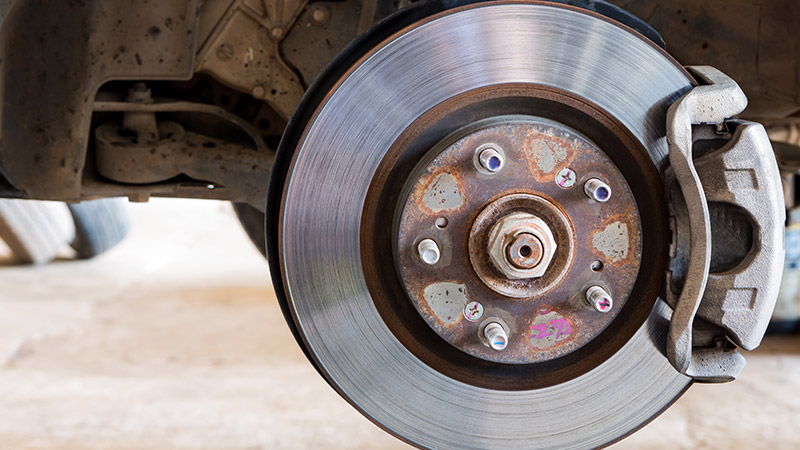
The initial squeal from new brake pads is typically the result of microscopic vibrations between the pad material and the rotor surface during the bedding-in process. This critical phase ensures an even transfer layer of friction material is applied to the rotor face. As detailed in our practical guide on replacing brake pads, a protective layer is applied during manufacturing that must be worn away correctly to achieve optimal performance. When the bedding-in procedure is not followed, or if the materials resonate at specific frequencies, noise can occur, making it essential to understand the unique characteristics of each type of pad.
Why Do New Brake Pads Sometimes Squeak?
The initial squeal from new brake pads can often be attributed to this bedding-in process. If not done correctly, noises can arise due to vibrations between the rotor and the pads. It’s crucial to take the time to ensure this process is handled properly to avoid long-term issues.
What is the Difference in Noise Between Ceramic and Organic Brake Pads?
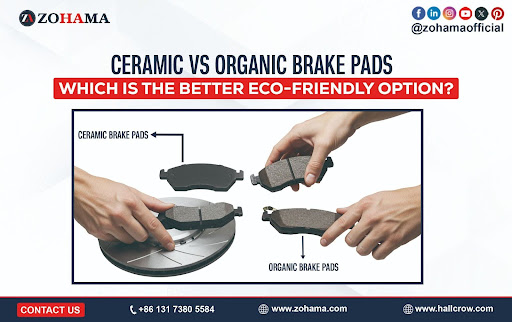
The key difference in noise levels between ceramic and organic brake pads arises from their material and friction characteristics. Organic pads are typically quieter at lower temperatures but can become noisy as they wear down or overheat. In contrast, ceramic pads are designed for quieter operation across a wider temperature range and are less likely to produce the high-pitched squeal associated with worn organic pads. However, the specific formulation by each manufacturer can greatly affect noise output.
While organic pads might generate a pronounced initial squeal, ceramic pads may emit a higher-pitched squeak under certain conditions. This variation can be attributed to the operational temperatures of ceramic materials, which can excite different vibrational modes. Understanding these sounds is crucial for the health of your braking system, as emphasized in our guide on decoding common brake sounds.
Are Ceramic Brake Pads Louder Than Organic?
Generally, ceramic brake pads are perceived as quieter compared to organic brake pads, especially as the system ages or during normal driving. Organic pads tend to generate more friction dust and are more susceptible to noise, particularly when cold or during heavy braking. Ceramic pads, on the other hand, usually exhibit a consistent friction coefficient, resulting in less noise and vibration. However, high-performance ceramic compounds may produce louder sounds under aggressive braking due to their specific operational parameters.
Technical Comparison: Ceramic vs. Organic Brake Pads
The performance and noise characteristics of brake pads hinge on their material science and frictional properties. The table below succinctly outlines key differences:
| Feature | Ceramic Brake Pads | Organic Brake Pads | Semi-Metallic Brake Pads |
|---|---|---|---|
| Material Composition | Ceramic fibers, clay, non-ferrous fillers | Fiberglass, Kevlar, rubber, carbon | Metal fibers (e.g., steel, iron), graphite, fillers |
| Typical Noise Level (Low Temp) | Very Low to Low | Low to Moderate | Moderate to High |
| Typical Noise Level (High Temp) | Low | Moderate to High | Moderate |
| Friction Coefficient Range (Approx.) | 0.30 – 0.45 | 0.25 – 0.40 | 0.35 – 0.55 |
| Wear Rate (mm/10,000 miles) | 1-2 mm | 2-4 mm | 2-3 mm |
| Rotor Wear | Minimal | Moderate | Moderate to High |
Understanding these material distinctions is crucial, as they directly impact braking performance and the audible feedback from your system. For instance, the friction coefficient is a pivotal factor in braking efficiency and varies significantly between pad types.
What is the Minimum Thickness for Brake Pads?
The minimum thickness for brake pads before replacement is normally around 3 millimeters (mm) or 1/8th of an inch. This threshold may vary depending on manufacturer specifications and vehicle models. Exceeding this limit compromises stopping power and safety, as discussed in our guide on how to know if your car brakes need replacement. Wearing pads can lead to rotor damage, resulting in more costly repairs.
Can a “Bedding-In” Procedure Fix New Brake Squeaks?
Indeed, a proper “bedding-in” or break-in procedure is specifically crafted to mitigate noise from new brake pads and rotors. This practice typically involves executing a series of moderate to firm stops from increasing speeds (e.g., ten stops from 30 mph, followed by ten stops from 50 mph, without halting completely if possible). This method ensures an even transfer of pad material onto the rotor surface, creating a reliable friction layer that minimizes the high-frequency vibrations causing squealing. Ignoring this procedure can lead to persistent noise and diminished braking performance, as previously discussed.
Frequently Asked Questions About New Brake Noise
Do ceramic brakes always squeak when new?
No, while some ceramic brake pads might emit a light squeak during the initial break-in, they are generally designed for quieter performance than organic pads and often calm down after the bedding-in process is complete.
What does a grinding noise from new brakes indicate?
A grinding noise from new brakes, in contrast to a squeal, usually points to a more serious issue, such as debris lodged between the pad and rotor or a defect in the components, necessitating immediate inspection. This sound is not part of the normal break-in process.
If my new brakes are squeaking, should I replace them immediately?
Not necessarily. If the squeaking is mild and occurs during the first few hundred miles, it is likely due to the bedding-in process. However, if the noise is severe or persistent and accompanied by reduced braking performance, a professional inspection is recommended to rule out installation errors or component defects.