Modern vehicles are marvels of engineering, equipped with sophisticated systems designed to keep you safe and your car running smoothly. However, sometimes these systems encounter issues, and your dashboard is your car’s primary way of communicating these problems. Among the most critical alerts you might encounter are transmission warning lights. Ignoring these car transmission symbols can lead to expensive repairs or even complete transmission failure.
Understanding what each symbol means and how to react promptly is crucial for any driver. This comprehensive guide will help you decode these vital warnings and provide clear steps on how to respond, safeguarding your vehicle’s health and your wallet.
Understanding Your Car’s Transmission Symbols
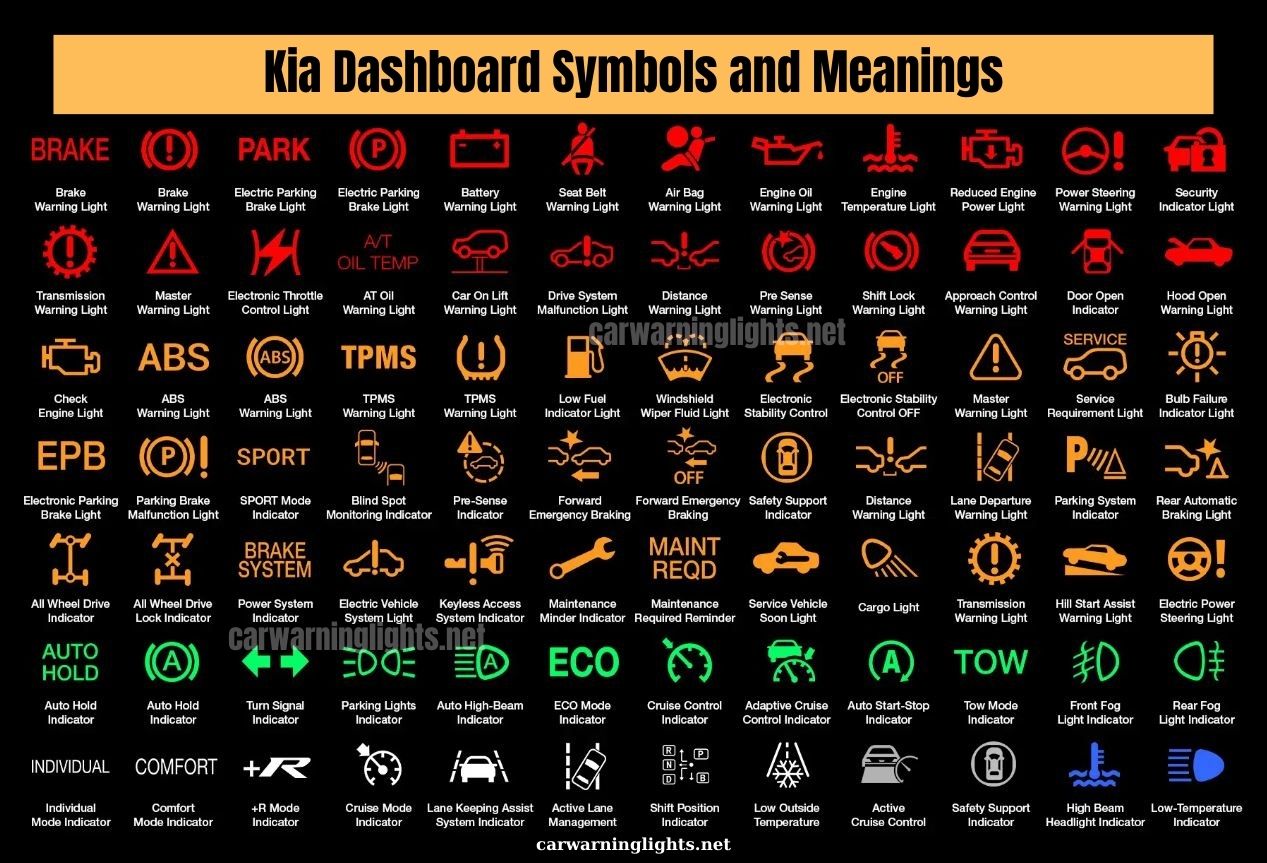
While specific symbols can vary slightly between manufacturers, there are common car transmission symbols that indicate potential issues. Most vehicles use a combination of universally recognized icons and text indicators.
Common Transmission Warning Lights and Their Meanings
Here’s a breakdown of the most frequently encountered transmission warning lights:
| Symbol Description (or common text) | Common Appearance | Meaning | Recommended Action |
|---|---|---|---|
| Gear with Exclamation Mark / Thermometer (Transmission Overheat) | A gear icon with an exclamation mark or a thermometer inside it. Often red or amber. | Indicates that the transmission fluid temperature is too high. This is a critical warning as overheating can quickly damage internal components of your automatic transmission. | Immediately and safely pull over. Turn off the engine and allow the transmission to cool down. Check transmission fluid levels once cool. Do not drive until the light is off and the transmission has cooled. Seek professional inspection. |
| “AT” Light (Automatic Transmission Malfunction) | Often a text indicator showing “AT” or “A/T” in amber or red. | Signals a general malfunction within the automatic transmission system. This could be anything from a sensor issue to low fluid pressure. | Reduce speed and avoid heavy acceleration. Drive cautiously to the nearest safe location or service center. Have your vehicle inspected by a qualified mechanic as soon as possible. |
| Check Engine Light (MIL – Malfunction Indicator Lamp) | An outline of an engine, typically amber. While not exclusively a transmission light, many transmission issues trigger the Check Engine Light. | Indicates a problem with the engine or emissions system. However, specific transmission codes (DTCs) often illuminate this light. | If the light is solid, schedule a diagnostic check soon. If it’s flashing, it indicates a severe problem that could cause catalytic converter damage; pull over safely and seek immediate assistance. |
| Traction Control / ABS Light (Sometimes related) | A car skidding icon (Traction Control) or “ABS” text. Often amber. | While primarily related to braking and stability, issues with wheel speed sensors (which feed data to the transmission control unit) can sometimes trigger these lights and indirectly affect transmission performance or shifting. | These systems are crucial for safety. While not a direct transmission light, have it checked promptly, especially if you notice unusual shifting or loss of traction. For more on braking systems, see our guide on Brakes and Rotors Explained: A Comprehensive Guide to Your Car’s Stopping System. |
| Low Transmission Fluid Indicator (Less common as a dedicated light) | Some vehicles may have a specific low fluid icon (e.g., a fluid level indicator with a low mark). More often, this triggers the AT or Check Engine light. | Indicates that the transmission fluid level is critically low, which can lead to overheating and damage. | Check your transmission fluid level (refer to your owner’s manual for proper procedure and fluid type). Top up if necessary, but also investigate the cause of the low fluid (e.g., a leak). |
What to Do When a Transmission Warning Light Appears
Seeing a transmission warning light can be alarming, but knowing how to react can prevent further damage and ensure your safety.
- Don’t Panic, But Don’t Ignore It: While it’s easy to get stressed, a calm and rational response is best. Ignoring the light, however, is the worst thing you can do.
- Safely Pull Over: If the light is red, flashing, or indicates overheating, pull over to a safe location as soon as possible. Driving with a severe transmission issue can quickly escalate the problem.
- Consult Your Owner’s Manual: Your car’s owner’s manual is your best resource for specific information about the car transmission symbols unique to your vehicle model. It will provide precise meanings and recommended actions.
- Check Transmission Fluid (if applicable): For some vehicles, you can safely check the transmission fluid level yourself, often with the engine running and warm (consult your manual). Ensure you use the correct type of transmission fluid if topping up.
- Avoid Strenuous Driving: If you must drive a short distance to a safe spot, avoid accelerating hard, sudden braking, or driving at high speeds. This reduces stress on the transmission.
- Seek Professional Diagnostics: The most crucial step is to have a qualified mechanic diagnose the issue. They can use specialized diagnostic tools to read any diagnostic trouble codes (DTCs) stored in your car’s computer, pinpointing the exact problem.
- Consider Towing: For critical warnings (e.g., overheating, flashing Check Engine light), towing your vehicle to a service center is often the safest and most recommended course of action to prevent catastrophic damage.
Common Causes of Transmission Warning Lights
Several underlying issues can trigger transmission warning lights:
- Low Transmission Fluid: Leaks or infrequent fluid changes can lead to dangerously low levels, causing overheating and poor shifting.
- Overheating: Heavy towing, aggressive driving, or insufficient fluid can cause the transmission to overheat.
- Faulty Sensors: Speed sensors, temperature sensors, and pressure sensors provide vital data to the transmission control unit. A malfunctioning sensor can trigger a warning light.
- Solenoid Issues: Solenoids regulate fluid flow within the transmission. If they stick or fail, shifting problems can occur.
- Worn Components: Internal wear and tear, especially in high-mileage transmissions, can lead to various problems that trigger warnings.
- Electronic Control Unit (ECU) Malfunction: The computer that controls the transmission can sometimes develop issues.
- Old/Dirty Transmission Fluid: Over time, transmission fluid loses its lubricating and cooling properties, leading to increased friction and heat.
The Importance of Regular Transmission Maintenance
Preventative maintenance is your best defense against unexpected transmission warning lights and costly repairs. Adhering to your manufacturer’s recommended service schedule for transmission fluid changes and inspections can significantly extend the life of your transmission. For instance, a transmission fluid exchange might range from $150 to $300, depending on the vehicle model and location.
Just as you maintain other critical systems like your brakes – understanding when your ceramic brake pads need replacing or staying updated on advanced brake fluid testing – your transmission deserves similar attention. Overlooking its needs can have severe consequences for your vehicle’s overall health and your safety on the road.
Market Trends and Costs
The automotive repair landscape indicates that transmission failures are one of the most cited issues among drivers. According to various consumer reports, approximately 25% of surveyed individuals experienced transmission-related problems within their vehicle’s lifespan. The average repair costs can vary significantly based on the vehicle make and model, with typical expenses for transmission repairs ranging from $1,000 to $3,500.
As technology evolves, the nature of transmission systems is changing. With the rise of electric vehicles (EVs), the traditional transmission is being phased out in favor of direct drive systems, which may lead to different maintenance and warning indicators. The market is seeing a gradual shift towards CVTs (Continuously Variable Transmissions) in conventional vehicles, further complicating how drivers interpret warning systems. Understanding these trends can prepare you better for future vehicle management.
Conclusion
Your vehicle’s dashboard is more than just a speedometer; it’s a vital communication hub. Recognizing and understanding transmission warning lights and car transmission symbols empowers you to respond effectively and protect one of your car’s most complex and expensive components. Always refer to your owner’s manual, act quickly when a light appears, and trust professional mechanics for diagnostics and repairs. Timely action can save you significant time, money, and headaches down the road.
FAQs
What should I do if my transmission warning light comes on?
If your transmission warning light comes on, pull over safely and check your transmission fluid levels. If levels are low, top up and determine the cause. If the light remains on or if transmission fluid is adequate, seek professional assistance for diagnostics.
How much does it cost to fix a transmission problem?
The average cost for diagnosing transmission issues ranges from $100 to $200, and repair costs can vary widely, typically anywhere from $1,000 to over $3,500, depending on the severity and type of repair needed.
Can transmission warning lights indicate unrelated issues?
Yes, some transmission warning lights may be triggered by unrelated issues, such as engine problems. It is essential to perform a thorough diagnostic to identify the root cause accurately.
How often should I check my transmission fluid?
Regular checks of your transmission fluid are advisable, ideally every 30,000 miles or as recommended by your vehicle’s manufacturer, to ensure optimal performance and prevent potential transmission failure.