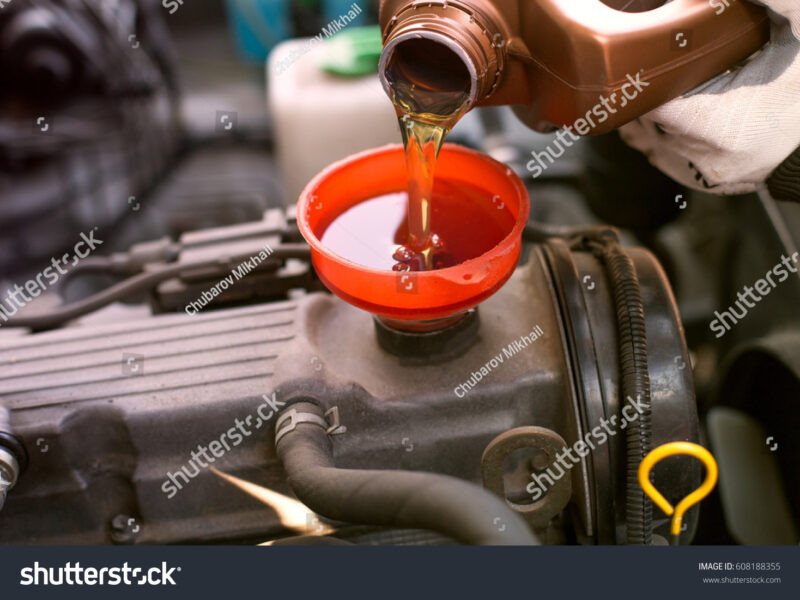
An oil filter plays a crucial role in maintaining engine health by removing contaminants from engine oil. Using an incorrect oil filter size—not just a mismatched physical dimension but also improper internal specifications—can severely compromise the lubrication system and lead to serious mechanical issues, including accelerated engine wear and catastrophic failure.
What Defines the Correct Oil Filter Size for an Engine?
The correct oil filter size for an engine is determined by various precise specifications that go beyond mere physical dimensions. Key attributes include the filter’s diameter, overall length, thread size, and pitch for secure attachment to the engine block, and the gasket diameter to ensure a proper seal. Moreover, calibrating the bypass valve pressure setting specifically to the engine’s requirements is essential. Compatibility with an anti-drain back valve may also be required based on engine design, vital for preventing oil starvation during startup. Each specification is uniquely tailored to the engine to ensure optimal oil flow, pressure, and filtration efficiency.
How Does an Improperly Sized Oil Filter Physically Affect Engine Operation?
An improperly sized oil filter can critically affect engine operation through several avenues of compromise. Physical mismatches—such as incorrect diameter or thread pitch—can impede a secure seal, resulting in immediate oil leaks. Functional inefficiencies arise when discrepancies in filtration capacity and flow rate develop, as these are essential for maintaining appropriate oil pressure and cleanliness.
What are the Consequences of a Filter That is Too Small?
A filter that is too small usually has a reduced filtration media surface area, leading to premature clogging and ineffective contaminant removal. This restriction in oil flow can provoke oil starvation in critical engine components, thus elevating wear rates. Furthermore, a smaller filter may struggle to accommodate the engine’s oil volume needs, hindering lubrication efficiency and potentially triggering the bypass valve prematurely, which only amplifies the associated risks.
What are the Consequences of a Filter That is Too Large or Has Incorrect Threads?
A filter that is too large might not fit appropriately within the engine compartment, risking contact with other components or road debris, leading to rupture. Even if a larger filter superficially fits, it may take longer to fill with oil upon startup, resulting in brief yet critical periods of oil starvation for engine bearings. Incorrect thread pitch or diameter prevents secure attachment to the engine block, resulting in oil leaks and elevating the risk of the filter detaching during operation. This jeopardizes the entire lubrication system by allowing unfiltered oil to circulate or triggering a rapid loss of oil.
What Specific Engine Damage Can Result from an Incorrect Oil Filter?
An incorrect oil filter can lead to significant engine damage across multiple mechanisms. Loss of oil pressure is a primary concern, as mismatched filters can cause leaks or restrict oil flow, starving engine components of essential lubrication. Furthermore, circulating unfiltered oil due to poor sealing or insufficient filtration media exposes sensitive engine parts like pistons, bearings, and camshafts to abrasive particles, accelerating wear. Over time, increased friction can induce engine overheating, potentially culminating in catastrophic engine failure. A 2022 report from the Society of Automotive Engineers indicated that improper filtration represents a leading cause of premature engine wear in passenger vehicles.
How Do Gasket and Thread Mismatches Compromise the Lubrication System?
Gasket mismatches compromise the lubrication system by failing to establish a secure seal between the oil filter and the engine housing. Even slight differences in gasket diameter or thickness can lead to external oil leaks, consequently reducing overall oil volume and diminishing lubrication efficiency. Thread mismatches—such as attempting to install an SAE-threaded filter on a metric-threaded engine—prevent proper engagement, risking thread stripping on the engine block or causing the filter to loosen or detach entirely. This creates the risk of sudden and severe oil loss, critically endangering the engine.
Can a Wrong Oil Filter Size Affect the Oil Filter Bypass Valve Function?
Yes, an incorrect oil filter size can significantly impair the bypass valve function. The bypass valve is designed to open at a specific pressure differential, ensuring oil flow to the engine even if the filter becomes clogged or if the oil is excessively viscous. A mismatched oil filter can lead to two critical issues: if the bypass valve opens too soon, it allows unfiltered oil to circulate, exposing components to contaminants and increasing wear. In contrast, if the bypass valve opens too late, it excessively restricts oil flow, causing oil starvation to engine parts. This directly impacts the lubrication system’s capacity to protect the engine during cold starts or when the filter media is saturated.
| Parameter | Correct Specification | Incorrect Specification (Example) | Immediate Impact |
|---|---|---|---|
| Thread Size | Matches engine block threads (e.g., M20x1.5) | Mismatched (e.g., SAE threads on metric) | Oil leaks, stripped threads, filter detachment |
| Gasket Diameter | Precisely seals against mounting surface | Too small or too large | Oil leaks around the filter housing |
| Overall Length/Diameter | Optimized for space and flow capacity | Too small or too large | Reduced filtration, premature clogging, potential physical interference |
| Bypass Valve Pressure | Calibrated to OEM engine specifications | Opens too early or too late | Unfiltered oil circulation or oil starvation |
Why is Choosing the Correct Oil Filter Paramount for Engine Longevity?
Selecting the correct oil filter is imperative for maintaining engine longevity, as it directly influences lubrication quality and overall health of internal engine components. A correctly matched oil filter efficiently removes abrasive contaminants, preserving oil cleanliness and preventing premature wear on critical moving parts such as bearings and camshafts. Moreover, the right filter helps maintain optimal oil pressure and flow rate, preventing both oil starvation and excessive pressure—both vital for sustained engine performance and reducing the risk of catastrophic failures. Adhering to manufacturer specifications for oil filters is a paramount preventative maintenance practice, essential for safeguarding the complex internal mechanisms of an engine.
Frequently Asked Questions About Oil Filter Size
What Are the Immediate Signs of Using the Wrong Oil Filter Size?
Immediate signs of using the wrong oil filter size include discernible oil leaks surrounding the filter housing, a flickering oil pressure warning light on the dashboard, and unusual engine noises such as ticking or knocking. Furthermore, if the filter is notably difficult to install or remove, this may signify a physical mismatch.
Can a Slightly Larger Oil Filter Be Used Without Causing Engine Damage?
While some sources suggest it may be permissible to use a slightly larger oil filter if it physically fits and possesses identical critical specifications—including thread size, gasket diameter, and bypass valve pressure—it is usually not recommended by vehicle manufacturers. A larger filter can take longer to fill with oil during startup, potentially leading to transient oil starvation, or it might risk contact with other engine components or road debris.
How Can I Ensure I Select the Correct Oil Filter for My Vehicle?
To guarantee you select the right oil filter for your vehicle, always consult your vehicle’s owner’s manual or refer to the oil filter manufacturer’s application guide, which provides specific part numbers based on make, model, and engine type. It’s essential to verify that the chosen filter aligns with OEM specifications, encompassing dimensions, thread size, gasket diameter, and bypass valve pressure settings.
For further insights into oil filter maintenance, check our guides on identifying signs of a clogged oil filter, fixing oil filter leaks, and diagnosing a faulty oil filter bypass valve.