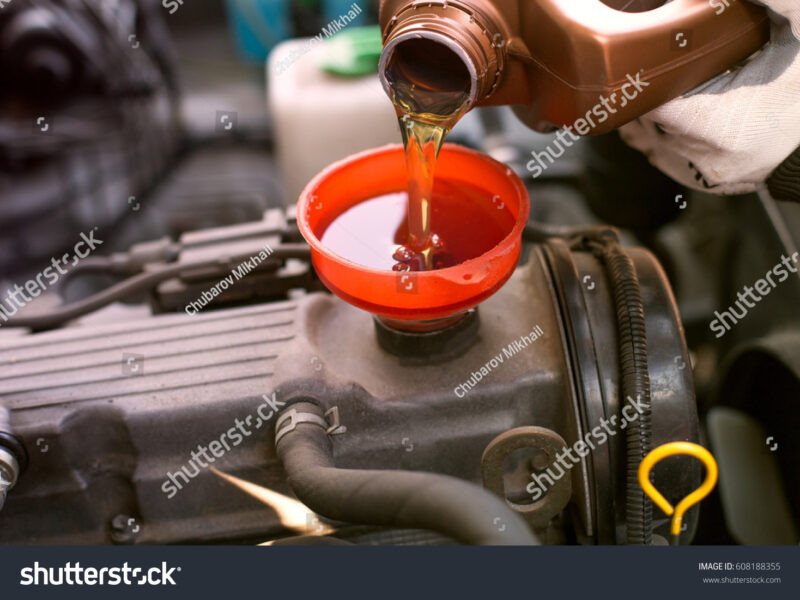
An oil filter leak often begins discreetly, with engine oil seeping from the seal between the oil filter and the engine block, or, at times, directly from the filter housing. These leaks can manifest as minor drips or escalate into significant oil loss, putting the vital lubrication of your engine at risk. If left unchecked, the consequences could be severe, leading to costly mechanical damage. Understanding how oil filters function, the types available, the quality of sealing materials, and the correct installation procedures is crucial to averting these issues and maintaining your engine’s health.
What Are the Common Signs of an Oil Filter Leak?
Identifying an oil filter leak requires vigilance through visual inspection and attention to your vehicle’s performance. Being able to immediately recognize these signs can allow you to prevent extensive damage to your engine.
How Does Visible Oil Puddling Indicate a Leak?
One of the most noticeable signs of an oil filter leak is the presence of visible oil puddling beneath your parked vehicle. The size and consistency of the puddle can provide insight into the severity of the leak and its source, with fresh oil drips often tracing back to the oil filter or nearby components. This indication is often the most direct clue signaling an external leak.
What Are the Visual Cues of Oil Residue on the Filter or Engine?
If you observe oil residue on the oil filter or adjacent engine parts such as the engine block or oil pan, it typically signifies a seepage issue. This residue might appear as a greasy film, streaks, or wet spots, frequently accompanied by a burning smell if the oil drips onto hot engine parts. Such residue suggests a slow but persistent leak that requires attention.
How Does Engine Oil Level Drop Signal a Leak?
A consistent drop in your engine’s oil level is often a red flag, hinting at a possible oil filter issue. Factors like improper installation or using the wrong oil filter size can lead to insufficient sealing against the engine block, allowing oil to escape. Monitoring your oil levels consistently can help catch these issues before they escalate.