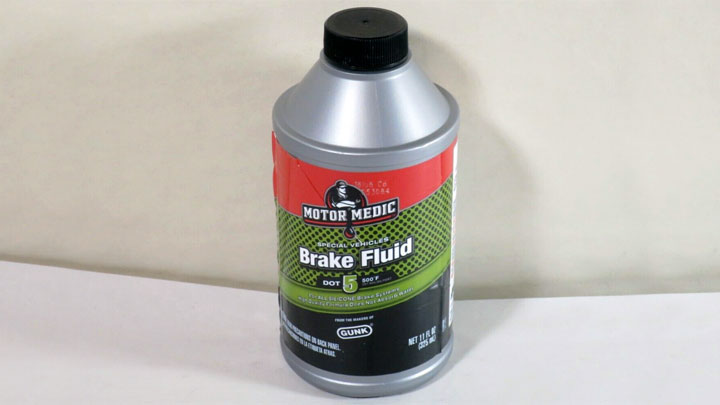
Brake fluid is an essential hydraulic fluid that plays a crucial role in vehicle safety. It transfers force from the brake pedal to the calipers or wheel cylinders, enabling your vehicle to slow down or come to a complete stop. Operating within a sealed hydraulic braking system, this fluid relies on its incompressibility and high boiling point to ensure effective braking performance. Being aware of the symptoms of low brake fluid is vital for maintaining vehicle safety and ensuring timely intervention.
What Are the Symptoms of Low Brake Fluid You Should Never Ignore?
Recognizing the symptoms of low brake fluid promptly is essential for preventing severe braking issues. Ignoring these warning signs can compromise brake performance and lead to potential brake failure.
1. Why Does the Brake Warning Light Illuminate?
One of the clearest indicators of low brake fluid is when the brake warning light illuminates on your dashboard. Modern vehicles have sensors that detect when the brake fluid level falls below a safe minimum, triggering this alert. Although this light can also indicate other brake system issues or an activated handbrake, low fluid levels are a common cause. If this light appears, it signals the need for immediate attention to identify the underlying issue. For optimal vehicle health, regular checks are crucial, similar to monitoring battery performance, as outlined in Understanding EV Battery Health: Factors That Affect Longevity in 2026, where the average annual degradation of electric vehicle batteries in 2026 is 2.3%.
2. Why Does the Brake Pedal Feel Spongy or Soft?
A brake pedal that feels unusually soft or spongy—or one that presses down closer to the floor than normal—strongly suggests low brake fluid levels. This sensation typically indicates the presence of air or insufficient fluid in the brake lines, which compromises hydraulic pressure transfer. Air, being compressible, prevents full force from reaching the calipers, resulting in decreased braking response.
3. Why Is There an Increased Stopping Distance?
If your vehicle requires significantly more distance to come to a complete stop—especially during sudden braking—it’s a critical sign of compromised braking efficiency due to low brake fluid levels. Reduced hydraulic pressure, resulting from inadequate fluid, directly translates to diminished force applied to the brake pads, which in turn extends the time and distance needed to stop. This condition severely impacts safety and demands prompt action, similar to the risks associated with neglecting essential components like an air filter, as discussed in The Ultimate Guide to Diagnosing and Fixing Brake Fluid Leaks Safely.
4. What Do Visible Leaks Under Your Vehicle Mean?
Finding puddles of fluid beneath your parked vehicle is a clear sign of a brake system leak. Brake fluid typically appears as a clear to yellowish or brown, although fresh DOT 5 fluid is purple. The location of the leak can help pinpoint the faulty component, such as the master cylinder, brake lines, or calipers. Any visible fluid loss requires immediate inspection and repair, akin to identifying faulty transmission solenoids through performance anomalies and diagnostic trouble codes (DTCs).
5. Why Are There Unusual Noises When Braking?
While unusual noises are often associated with worn brake pads, sounds like squeaking, grinding, or scraping during braking can also indicate low brake fluid levels. Critically low fluid can prevent the system from providing adequate lubrication or pressure, leading to abnormal contact between braking components and the resulting noise. This may signify increased wear on parts or collateral damage caused by a poorly performing hydraulic system.
| Symptom | Detailed Description | Specific Potential Causes | Recommended Immediate Action |
|---|---|---|---|
| Illuminated Brake Warning Light | The indicator light on the dashboard (often red, or a circle with an exclamation mark) lights up. | Fluid level in the reservoir below the safe operational minimum of 1/4 inch; active leak in the master cylinder, brake lines (steel or rubber), or calipers/wheel cylinders. | Safely pull over and check fluid level. If low, add the correct type and seek immediate professional diagnostics. |
| Spongy or Soft Brake Pedal | The pedal feels less firm, presses closer to the floor than usual, or feels ineffective. | Presence of air in the hydraulic system due to a leak or inadequate bleeding; fluid level so low that the master cylinder piston draws in air. | Do not drive. Professional bleeding and leak diagnosis/repair is necessary. |
| Increased Stopping Distance | The vehicle takes significantly longer to slow down or stop completely. | Insufficient hydraulic pressure to fully engage brake pads/shoes; degraded brake fluid with a low boiling point (below 205°C for DOT 3) causing vaporization under heat. | Avoid driving. A thorough brake system inspection and possible fluid replenishment or replacement is required. |
| Visible Fluid Leaks Under the Vehicle | Puddles of clear, yellowish, or dark brown fluid (if DOT 3/4/5.1) or purple (if DOT 5) on the ground. | Damage to master cylinder seals; corrosion or cracking in metal brake lines or rubber brake hoses; leaks in piston seals of calipers or wheel cylinders. | Do not operate the vehicle. Locate the exact leak source and repair or replace the affected component. |
| Unusual Noises While Braking | Squeals (possibly due to worn pads or lack of lubrication), metallic grinding noises, or scraping sounds. | Although commonly associated with worn pads, low fluid can exacerbate noise by allowing metal-to-metal contact or insufficient lubrication of caliper pistons. | Inspect brake pads and fluid level. If low, address the underlying cause and consider fluid replacement. |
What Are the Critical Dangers of Driving with Insufficient Brake Fluid?
Driving with insufficient brake fluid poses significant safety risks, ranging from diminished braking performance to complete brake failure. When fluid levels are low, the hydraulic system cannot generate adequate pressure, rendering the brakes less effective, leading to longer stopping distances. In extreme cases, this may result in total loss of braking capability, endangering the driver and others on the road. Low fluid levels can also allow air to enter the brake lines, which is compressible and further compromises braking efficiency—leading to a spongy pedal feeling.
Beyond immediate safety concerns, inadequate brake fluid increases friction and overheating within brake components, potentially leading to accelerated wear and costly repairs for parts like the master cylinder and calipers. Neglecting these issues can jeopardize the entire brake system and overall vehicle reliability, much like how a failure of a critical component like a transmission solenoid can result in expensive transmission repairs.
How Often Should You Check and Replace Brake Fluid?
Brake fluid should be checked every 20,000 to 45,000 miles or every two to three years. The specific interval may vary based on vehicle manufacturer recommendations, driving habits, and weather conditions, as glycol-based fluids absorb moisture over time, reducing their boiling point.
Can I Just Top Off My Brake Fluid with Any Type?
No, you must use the specific type of brake fluid recommended by your vehicle’s manufacturer (usually DOT 3, DOT 4, or DOT 5.1). Mixing incompatible types, especially DOT 5 (silicone-based) with glycol-based fluids, can cause severe damage to the brake system.
What Should I Do If My Brake Fluid Light Comes On?
If your brake fluid light illuminates, safely pull over and check the fluid level. If it’s low, top it off with the correct type and seek professional diagnostics. If the light remains on or if the pedal feels abnormal, do not drive and contact roadside assistance.