Brake fluid contamination involves the intrusion of foreign substances into the hydraulic fluid responsible for transferring force within a vehicle’s braking system. This contamination can severely compromise both the efficiency and safety of the braking system, as it alters the essential properties of the fluid. While water ingress is a well-known culprit, various other substances pose equally significant risks to the integrity and performance of the brake system.
What is Brake Fluid Contamination and Why is it Dangerous?
Brake fluid contamination occurs when any substance apart from the specified hydraulic fluid infiltrates the braking system, leading to a degradation of the fluid’s operational attributes. This situation is particularly dangerous, as the braking system relies heavily on the fluid’s incompressibility and consistent boiling point. Contaminants can undermine these critical properties, potentially causing brake failure.
What Are the Key Brake Fluid Contamination Symptoms?
Recognizing brake fluid contamination symptoms is essential for maintaining vehicle safety. Symptoms of a compromised braking system include a spongy or soft brake pedal, diminished braking responsiveness, altered brake pedal travel, and visible discoloration or particles within the brake fluid reservoir. A spongy brake pedal often indicates the presence of air or excess moisture, while discolored fluid may reveal internal degradation or foreign matter.
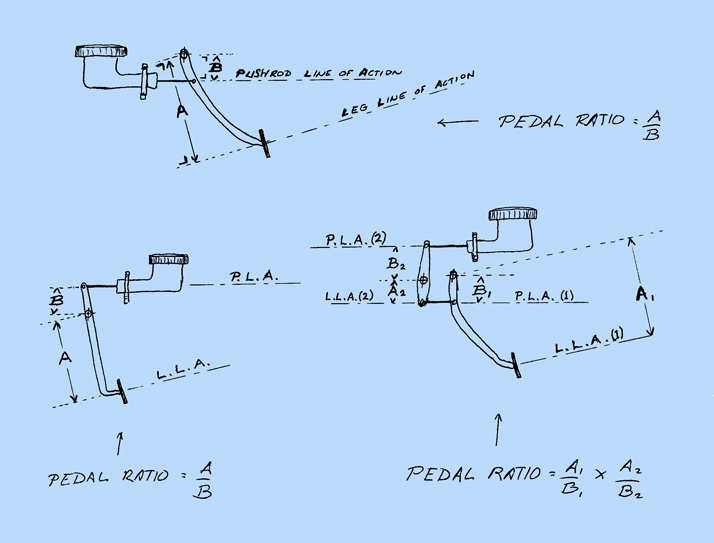
If a vehicle owner notices increased stopping distances or an inconsistent brake feel, it could indicate a serious issue that directly impacts both driver confidence and road safety. Early identification of these symptoms allows for timely intervention, preventing significant brake system damage and averting potential accidents. For example, if your brake pedal exhibits an unusual softness, it may signal air in the system or fluid contamination. Understanding your car’s brake pedal assembly can assist in diagnosing related issues.
How Do Common Contaminants Affect Brake System Performance?
Common contaminants impose specific detrimental effects on brake system performance, affecting the fluid’s physical and chemical properties. Each type of contaminant can diminish braking capability, accelerate component wear, or even lead to complete system failure if not addressed. Here’s how various contaminants impact the hydraulic system:
| Contaminant Type | Primary Sources | Specific Effects on Brake System |
|---|---|---|
| Water/Moisture | Atmospheric absorption, unsealed reservoirs | Lowers boiling point, causes corrosion, leads to vapor lock. |
| Petroleum Products | Engine oil, power steering fluid, grease, diesel fuel | Degrades rubber seals and hoses, causes leaks, reduces hydraulic pressure. |
| Air | Improper bleeding, low fluid levels, leaking seals, damaged lines | Introduces compressibility, resulting in a spongy brake pedal and reduced stopping power. |
| Dirt/Debris/Sediment | Open reservoirs, worn components, external grit | Causes abrasive wear on internal components, clogs small passages, impairs valve function. |
| Old/Degraded Fluid Byproducts | Extended service intervals, high temperatures | Forms sludge, increases viscosity, reduces lubrication, impairs heat dissipation. |
How Does Petroleum-Based Contamination Occur in Brake Fluid?
Petroleum-based contamination in brake fluid typically arises when engine oil, power steering fluid, transmission fluid, or even fuel inadvertently contaminates the brake reservoir during maintenance or due to accidental spills. This issue is critical, as brake fluids are primarily glycol-ether based, which are chemically incompatible with the elastomers used in brake system seals and hoses. The introduction of petroleum products causes these rubber components to swell, soften, and eventually disintegrate, leading to internal and external leaks. Such degradation compromises hydraulic seals, resulting in loss of pressure and potential brake failure.
What are the Dangers of Air in Brake Fluid (Air Entrainment)?
Air in brake fluid, referred to as air entrainment, can occur through improper bleeding methods, low fluid levels in the master cylinder, or leaks in brake lines or calipers. Unlike brake fluid, air is compressible. Therefore, when the brake pedal is pressed, some of the force compresses the air bubbles instead of transferring pressure to the calipers or wheel cylinders. This phenomenon results in a spongy or soft brake pedal, requiring increased pedal travel for braking and significantly reducing overall stopping power. Proper bleeding is vital; learn how to properly bench bleed a new brake master cylinder for optimal performance.
How Do Dirt and Debris Contaminate Brake Fluid?
Dirt and debris typically contaminate brake fluid when foreign particles enter the hydraulic system, mainly through an open or improperly sealed master cylinder reservoir during fluid checks or additions. Other contamination sources include worn-out internal components, such as seals or master cylinder parts that may shed microscopic particles into the fluid. These contaminants can lead to abrasive wear on precision-machined surfaces within the master cylinder and calipers, impede the function of valves, and ultimately reduce braking efficiency, risking component failure.
What are the Best Practices for Preventing Brake Fluid Contamination?
To safeguard against brake fluid contamination, it is imperative to adhere to strict maintenance protocols and exercise caution during all brake system work. Always use manufacturer-specified brake fluid, ensure the master cylinder cap is securely fastened, and avoid leaving the reservoir open for extended periods to minimize the risk of atmospheric moisture and airborne debris entering. Regular inspections of brake lines and hoses for wear or damage are crucial to prevent contaminant ingress. Moreover, a complete brake fluid flush every two to five years—or as recommended by the vehicle manufacturer—is essential to maintain fluid integrity and eliminate accumulated contaminants. Consider understanding brake caliper piston types to enhance your appreciation of the system’s intricate components.
Many drivers ponder, “How often should brake fluid be changed to prevent contamination?” Manufacturers generally recommend a brake fluid flush every 2-5 years, regardless of mileage, due to the hygroscopic nature of brake fluid and its vulnerability to various contaminants. Another frequent inquiry is, “Can I mix different types of brake fluid?” It is generally inadvisable to mix different DOT specifications (e.g., DOT3 and DOT4) unless explicitly permitted by the manufacturer, as their chemical compositions and boiling points may differ, potentially compromising performance. Finally, if you suspect brake fluid contamination, swift action is essential. Consult a qualified mechanic for professional diagnosis and a thorough brake fluid flush to ensure your vehicle’s safety.