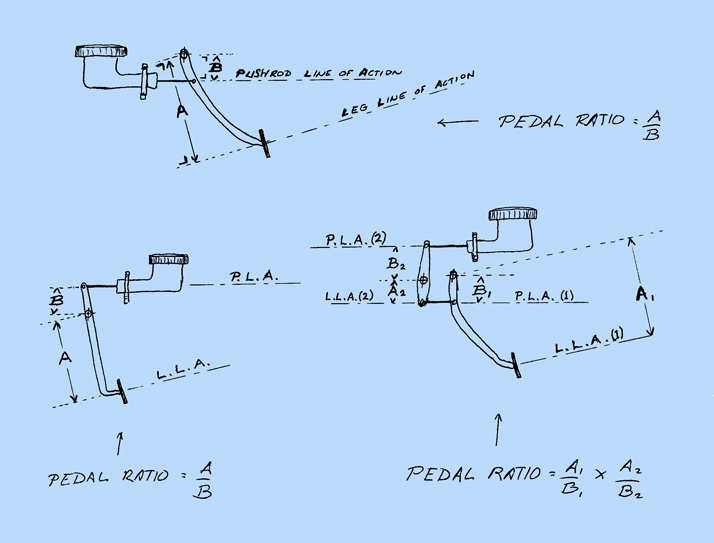
The brake pedal assembly is the critical connection between a vehicle’s operator and its braking system. It transforms the physical pressure of a driver’s foot into the necessary mechanical and hydraulic forces to decelerate or stop the vehicle. Serving as the catalyst for the entire braking sequence, this essential component multiplies the driver’s input before transferring it to the master cylinder.
What are the Primary Brake Pedal Assembly Components?
A brake pedal assembly consists of several core elements that work harmoniously to facilitate effective braking. The crucial components include the pedal arm, which the driver directly actuates; a pivot point, around which the pedal rotates; and a return spring, designed to return the pedal to its resting position after release.
Linked to the pedal arm is a pushrod, also known as the input rod. This vital part transmits force to the brake booster, which subsequently sends it to the master cylinder. Additionally, many modern assemblies feature a pedal pad, enhancing grip and comfort for the driver. Collectively, these elements ensure efficient power transfer from the driver’s foot to the hydraulic braking system.
| Component | Primary Function | Material (Common) |
|---|---|---|
| Pedal Arm | Receives driver’s foot force, acts as a lever. | Steel, Aluminum |
| Pivot Point | Facilitates rotational movement of the pedal arm. | Steel (with bushings) |
| Return Spring | Returns pedal to resting position, maintains pedal feel. | Spring steel |
| Pushrod | Transmits mechanical force to the brake booster/master cylinder. | Steel |
| Pedal Pad | Provides grip and ergonomic surface for the driver’s foot. | Rubber, Plastic |
How does the Brake Pedal Assembly Translate Driver Input into Braking Force?
The brake pedal assembly successfully converts the driver’s foot pressure into hydraulic pressure within the braking system. Upon depressing the brake pedal, the pedal arm rotates on its pivot, advancing the pushrod. This action engages the brake booster, a vacuum or hydraulically-assisted device that significantly amplifies the applied force.
The amplified force enters the master cylinder, which contains pistons that pressurize the brake fluid. This hydraulic pressure is then distributed through brake lines to the calipers or wheel cylinders at each wheel, creating the friction needed against the rotors or drums, thereby slowing the vehicle.
What are the Common Types of Brake Pedal Assemblies in Vehicles?
Brake pedal assemblies typically come in two configurations: suspended (hanging) pedals and floor-mounted pedals. Suspended pedals, generally used in most passenger cars, hang from a pivot point situated above the driver’s feet.
On the other hand, floor-mounted pedals can be found in performance vehicles or as features in some older models, pivoting from the vehicle’s floorboard. Each configuration offers unique ergonomic and packaging benefits, often influencing pedal feel and the overall integration of the braking system.
What Role Do Sensors Play within the Modern Brake Pedal Assembly?
In modern vehicles, sensors integrated within or around the brake pedal assembly provide crucial data to various electronic control systems. The brake pedal position sensor (BPPS) measures the precise position and movement of the brake pedal, relaying these signals to the Electronic Control Unit (ECU).
This information is essential for functionalities such as activating the brake lights, disengaging cruise control, and facilitating specific transmission operations. Furthermore, in hybrid and electric vehicles, the BPPS optimizes regenerative braking by accurately communicating pedal stroke to the inverter, maximizing energy recovery.
What are the Potential Issues and Diagnostic Indicators for a Malfunctioning Brake Pedal Assembly?
Malfunctions within the brake pedal assembly can present various warning signs, potentially jeopardizing vehicle safety and braking performance. One common indication is a spongy or soft pedal, which may signal the presence of air in the hydraulic lines or a failing master cylinder. This condition causes the pedal to travel further than expected or results in reduced resistance.
Conversely, a hard brake pedal necessitates excessive force for deceleration, often indicating a malfunctioning brake booster or a vacuum leak. Other alarming symptoms include a pedal that sinks to the floor, suggesting a significant fluid loss or a bypass in the master cylinder. Using diagnostic tools like an OBDII scanner can help retrieve Diagnostic Trouble Codes (DTCs) associated with sensor failures, facilitating precise troubleshooting. Regular inspection and maintenance—including checks for brake fluid levels and system leaks—are vital for identifying and resolving these issues.
Frequently Asked Questions About Brake Pedal Assemblies
What causes a brake pedal to feel excessively stiff?
An excessively stiff brake pedal typically indicates a problem with the brake booster, which assists in amplifying the driver’s foot pressure. Common issues, such as a vacuum leak in the booster hose, a faulty check valve, or an internal booster malfunction, reduce the power assist, making the pedal difficult to press.
Why would a brake pedal sink slowly to the floor when pressed?
A brake pedal that sinks slowly to the floor often suggests an internal leak within the master cylinder (allowing fluid to bypass) or a significant external leak in the hydraulic system. This loss of hydraulic pressure impedes the calipers or wheel cylinders from maintaining consistent force, leading to a diminished braking response.
How does the brake pedal assembly affect cruise control operation?
The brake pedal assembly integrates a brake light switch or the brake pedal position sensor (BPPS) that signals when the brake pedal is engaged. This signal is pivotal for safety systems, immediately deactivating cruise control once the driver applies the brakes, thus preventing unintended acceleration.