Brake booster systems play an essential role in modern vehicles, enhancing stopping power and reducing the effort needed to press the brake pedal. These power assist units ensure that even the heaviest vehicles can come to a safe halt with minimal driver exertion. Within the realm of heavy-duty applications, two primary types of brake boosters stand out: vacuum-assisted and hydroboost systems. Each utilizes unique power sources and offers distinct performance benefits tailored to specific vehicle needs.
What is a Vacuum Brake Booster System?
A vacuum brake booster system utilizes engine vacuum to amplify braking assistance, predominantly found in gasoline-powered vehicles. This system comprises a metal canister divided by a flexible diaphragm, equipped with a control valve and a check valve that maintain the necessary vacuum. When the brake pedal is pressed, a rod engages a valve, allowing atmospheric pressure to enter one side of the diaphragm while sustaining the vacuum on the other. This pressure differential magnifies the driver’s force, pushing a rod linked to the master cylinder piston and enhancing hydraulic pressure in the brake lines. Typically, vacuum boosters measure 6-8 inches in diameter and 3-4 inches in thickness. In vehicles with insufficient engine vacuum, such as certain diesel engines or high-performance gasoline engines, a dedicated vacuum pump may be employed to guarantee adequate support.
What is a Hydroboost Brake System?
In contrast, a hydroboost brake system leverages hydraulic pressure sourced from the vehicle’s power steering pump to facilitate braking. This system is particularly commonplace in diesel vehicles and heavy-duty trucks where engine vacuum may not suffice. Mounted between the brake pedal and the master cylinder, the hydroboost unit integrates seamlessly with the power steering system, receiving pressurized fluid from the power steering pump. Upon pressing the brake pedal, internal valves within the hydroboost unit direct hydraulic fluid into a boost chamber, resulting in piston movement that amplifies the force transmitted to the master cylinder. An accumulator within the hydroboost unit stores hydraulic pressure, allowing for multiple power-assisted stops, even in the event of a power steering pump failure or engine shutdown.
What are the Key Differences Between Vacuum and Hydroboost Brake Boosters?
The fundamental difference between vacuum and hydroboost brake systems lies in their power source, significantly impacting their performance, particularly in heavy-duty applications. Vacuum systems are reliant on engine vacuum, which can fluctuate with engine RPM and load, whereas hydroboost systems derive consistent power from the power steering pump. This distinction leads to varying levels of braking force, pedal feel, and system complexity. Notably, hydroboost systems can deliver significantly greater pressure to the braking system, potentially doubling the stopping force compared to vacuum boost systems.
Comparative Analysis: Vacuum vs. Hydroboost
The table below outlines key differences between vacuum and hydroboost brake systems:
| Feature | Vacuum Brake Booster | Hydroboost Brake System |
|---|---|---|
| Power Source | Engine vacuum (intake manifold) | Hydraulic pressure from power steering pump |
| Braking Force | Limited, dependent on engine vacuum | Superior, consistent, and powerful |
| Typical Application | Gasoline-powered passenger cars and light trucks | Heavy-duty trucks, diesel engines, high-performance vehicles, towing |
| Pedal Feel | Softer, can vary with vacuum levels | Firmer, more consistent, immediate response |
| System Complexity | Simpler, fewer components | More complex, additional hydraulic lines and connections |
| Space Requirement | Typically larger canister | More compact design |
| Engine Dependency | Directly dependent on engine vacuum | Dependent on power steering pump operation; accumulator provides reserve |
What are the Advantages of a Vacuum Brake Booster?
Vacuum brake boosters provide distinct advantages, primarily their simplicity and affordability. They are generally reliable and easier to maintain due to fewer moving parts. The system design is straightforward, encompassing the booster unit, a check valve, and a vacuum hose connected to the engine’s intake manifold. This simplicity often leads to reduced manufacturing and replacement costs. Moreover, vacuum boosters are lightweight, which contributes to overall vehicle efficiency.
What are the Disadvantages of a Vacuum Brake Booster for Heavy-Duty Vehicles?
Despite their benefits, vacuum brake boosters exhibit significant limitations for heavy-duty vehicles. The primary drawback is their dependency on engine vacuum, which can be inconsistent or insufficient in various scenarios. Diesel engines, for example, may not generate enough manifold vacuum for effective operation, often necessitating a separate vacuum pump. High-performance gasoline engines with large camshafts or forced induction systems may similarly produce low vacuum at idle or under heavy throttle, resulting in diminished braking assistance and a stiff brake pedal. Additionally, heavy loads and towing amplify this issue, as they demand greater stopping power than what a vacuum system can reliably provide. Operating at higher altitudes can further compromise performance due to reduced atmospheric pressure.
What are the Advantages of a Hydroboost Brake System?
Hydroboost systems offer substantial advantages, particularly for heavy-duty vehicles, delivering increased and consistent braking power that can outstrip vacuum systems. Their reliable performance remains unaffected by engine vacuum levels, making them ideal for diesel trucks, large-engine vehicles, or those frequently engaged in towing or hauling. Furthermore, the compact design of a hydroboost unit allows for better integration in confined engine compartments. This system typically provides a firmer, more responsive brake pedal feel, enhancing driver confidence and control. The presence of an accumulator is a safety feature, ensuring a reserve of power-assisted stops even if the engine or power steering pump fails.
What are the Disadvantages of a Hydroboost Brake System?
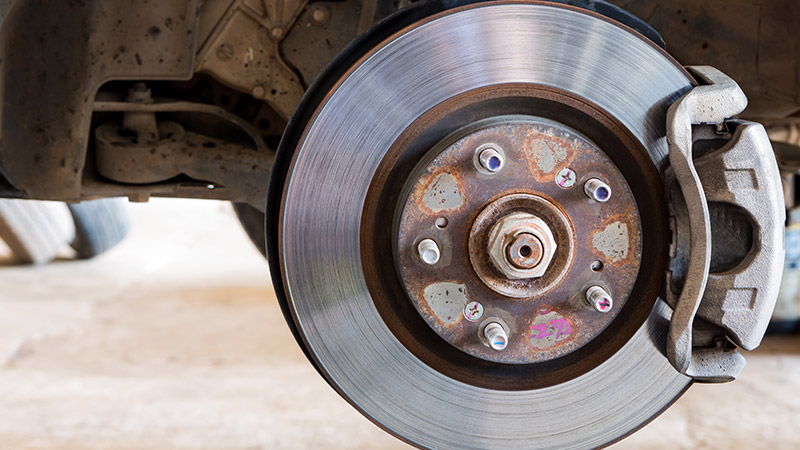
However, hydroboost systems come with their own set of drawbacks. Their increased complexity, which includes additional hydraulic lines and components, typically leads to higher initial costs and potentially more expensive repairs compared to vacuum systems. Furthermore, the dependency on the power steering pump means that any failure in this subsystem can impact braking performance as well. Leaks in the hydraulic lines could compromise both braking and steering, although manual brakes remain functional to some degree. Moreover, some drivers may require an adjustment period to modulate the immediate and powerful response characteristic of hydroboost systems. For additional insights on critical brake components, explore The Role of Brake Calipers: Understanding This Vital Component.
How Does Vehicle Application Influence Brake Booster Selection?
The decision between a vacuum and hydroboost brake system is heavily influenced by the intended application and operational demands of the vehicle. For standard passenger cars and light-duty trucks with gasoline engines, a vacuum brake booster typically provides sufficient stopping power and driver comfort. However, heavy-duty vehicles—including large trucks, SUVs, and commercial vehicles, as well as those regularly engaged in towing heavy trailers or off-road activities—demand the superior braking force of a hydroboost system. Diesel engines inherently lack adequate engine vacuum, making hydroboost either a standard or necessary upgrade. Similarly, modified performance vehicles that do not generate consistent vacuum at low RPMs greatly benefit from the hydraulic assistance offered by hydroboost systems. Understanding the braking system’s demands, such as vehicle weight, towing capacity, and terrain, is vital for making an informed choice. For a deeper dive into braking technologies, consider exploring Understanding the Different Types of Automotive Brakes and Their Uses.
Ultimately, choosing between a vacuum and hydroboost brake system for a heavy-duty vehicle reflects a balance of performance needs, cost considerations, and system intricacies. While vacuum boosters present a simpler, more economical solution for many standard applications, the consistent, powerful, and reliable braking offered by hydroboost systems frequently proves to be the superior choice for vehicles facing demanding operational conditions.
Frequently Asked Questions About Brake Booster Systems
Can I convert a vacuum brake booster to a hydroboost system?
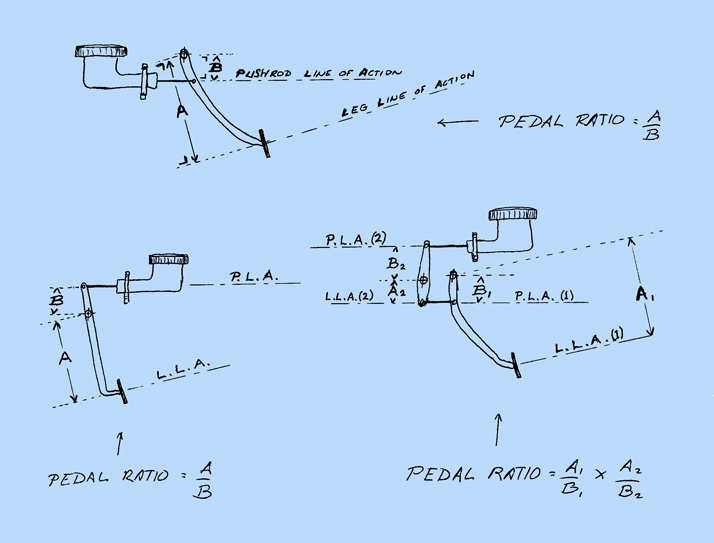
Yes, converting a vacuum brake booster to a hydroboost system is a common upgrade for heavy-duty vehicles, especially those with diesel engines, large camshafts, or forced induction systems that produce inadequate vacuum. This conversion typically requires replacing the vacuum booster unit with a hydroboost unit, installing necessary high-pressure hydraulic lines to and from the power steering pump, and possibly modifying the brake pedal rod. Ensuring proper plumbing and considering an upgrade for the master cylinder or proportioning valve can optimize overall performance.
How do I know if my brake booster is failing?
Several symptoms may indicate a failing brake booster. Among the most common signs is a noticeably harder brake pedal requiring increased effort to stop the vehicle. Other indicators include extended stopping distances, a hissing noise when pressing the brake pedal (which points to a vacuum leak in vacuum systems), or a stiff pedal that responds sluggishly. In some cases, a vacuum leak can also cause the engine to stumble or stall during braking due to excessive vacuum draw. For hydroboost systems, signs could include fluid leaks or total power steering failure, both signaling a potential issue. If any of these symptoms emerge, it is crucial to consult a qualified mechanic, as a compromised brake booster can significantly jeopardize vehicle safety. For related safety components, see ABS Brakes: What They Are and How They Keep You Safe.
Is hydroboost maintenance different from vacuum booster maintenance?
Yes, the maintenance requirements differ between hydroboost and vacuum booster systems due to their distinct operating mechanisms. Vacuum boosters primarily require inspections of vacuum hoses and check valves for leaks or damage. In contrast, hydroboost systems, integrated with the power steering system, necessitate regular checks of power steering fluid levels and conditions, along with inspections of hydraulic lines for leaks. Any issues with the power steering pump can directly affect hydroboost performance. While hydroboost units are generally resilient and may require seal replacement every 100,000-200,000 miles, the additional hydraulic components introduce more potential points for inspection.