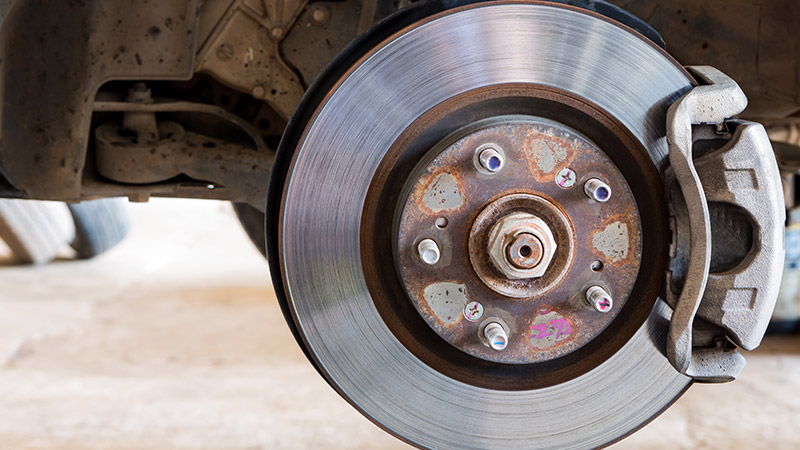
When it comes to replacing brake components, vehicle owners face a crucial decision between two primary categories: Original Equipment Manufacturer (OEM) brakes and aftermarket brakes. OEM brakes are crafted to be identical to the parts installed at the assembly line, built to meet specific performance and safety standards set by the manufacturer. On the other hand, aftermarket brakes come from independent manufacturers, offering a vast array of choices in terms of materials, performance, and price points.
What are Original Equipment Manufacturer (OEM) Brakes?
OEM brakes are the authentic braking components—such as pads and rotors—manufactured either by the vehicle’s original maker or by a supplier authorized by them. These parts are engineered precisely to meet the vehicle’s specifications, ensuring flawless integration and peak performance within the braking system. Typically made from organic, semi-metallic, or ceramic materials, OEM brake pads strike an optimal balance between performance, durability, and noise reduction tailored for your vehicle.
What are the Attributes of OEM Brakes?
- Precision Fitment: Designed for a perfect match with the vehicle’s braking system, OEM brakes guarantee seamless integration and optimal functioning.
- Quality Assurance: These components undergo rigorous testing to adhere to the stringent quality and safety standards laid out by the manufacturer, ensuring reliable performance.
- Warranty Coverage: OEM parts typically come with a manufacturer’s warranty, providing peace of mind and protection against specific issues.
- Consistent Performance: Engineered for balanced stopping power, noise reduction, and minimal dust generation under standard driving scenarios, they ensure steady performance.
What are the Disadvantages of OEM Brakes?
- Higher Cost: Due to brand reputation and the investment in research and development, OEM brakes usually carry a steeper price tag than aftermarket alternatives.
- Limited Options: Vehicle owners face fewer choices regarding material composition and performance characteristics compared to the diverse aftermarket offerings.
- Availability: These parts are primarily sold through authorized dealerships, which can lead to longer wait times or accessibility issues.
What are Aftermarket Brakes?
Aftermarket brakes represent a range of replacement components, including pads and rotors, that third-party companies make. These manufacturers cater to a variety of vehicle makes and models, allowing for a spectrum of material compositions and performance levels. Aftermarket brake pads can be organic, ceramic, or semi-metallic, among other specialized formulations.
What are the Attributes of Aftermarket Brakes?
- Variety of Options: The aftermarket provides a rich selection of materials, designs, and performance attributes, enabling customization for specific driving needs, whether it’s high-performance, heavy-duty towing, or dust reduction.
- Cost-Effectiveness: Generally, aftermarket brake components are priced lower than their OEM counterparts, offering more economical replacement solutions.
- Performance Enhancement: High-quality aftermarket brakes often deliver superior stopping power, better fade resistance, and improved heat dissipation compared to standard OEM parts.
- Accessibility: Aftermarket options are readily available at automotive parts retailers and online, increasing convenience, especially for less common or older vehicle models.
What are the Disadvantages of Aftermarket Brakes?
- Varying Quality: The quality of aftermarket products can widely differ among manufacturers; while some meet or exceed OEM standards, others fall short.
- Potential Fitment Issues: Many aftermarket parts claim direct fitment, but some may necessitate minor adjustments or not align perfectly, leading to uneven wear or noise.
- Warranty Concerns: Aftermarket components may not enjoy the same comprehensive warranties as OEM parts, and using them could affect vehicle warranty coverage in some cases.
Key Differences Between Aftermarket and OEM Braking Systems
At the heart of the choice between aftermarket and OEM brakes lies their origin, performance attributes, pricing, and warranty considerations.
How Does Manufacturing and Quality Control Differ?
OEM brake parts are produced to the exact specifications of the vehicle’s manufacturer, subject to stringent quality controls and thorough testing for seamless integration into the braking system. This guarantees both compatibility and reliable performance. Conversely, aftermarket brake components stem from independent companies, which implies variability in specifications and quality control. While many well-reputed aftermarket brands undergo extensive testing to meet or surpass OEM benchmarks, some may not uphold the same standards.
Performance Characteristics: OEM vs. Aftermarket
OEM brakes are engineered for balanced performance, ensuring consistent stopping power, minimal noise, and low particulate emissions for standard driving. They provide a smooth pedal feel with the intent of reducing rotor wear. However, they might not be suited for extreme conditions, risking brake fade with heavy loads or spirited driving. Various types of automotive brakes, designed for performance, can be found within the aftermarket realm. Aftermarket brakes provide a wider range of performance characteristics; for instance, ceramic pads minimize dust and noise, while semi-metallic pads deliver robust stopping power ideal for heavy-duty use, albeit at the cost of increased rotor wear. High-performance aftermarket options are available to improve stopping distances, responsiveness, and control during challenging driving conditions, often accompanied by heightened durability.
Cost Implications of Aftermarket vs. OEM Brake Components
The cost of OEM brake pads and rotors is generally higher, influenced by brand reputation, guaranteed fitment, and significant research investments. For instance, the cost of brake pad replacement can vary greatly based on whether OEM parts are chosen. In contrast, aftermarket brake components can span a wider pricing spectrum, from budget-friendly to premium performance enhancements. While lower-priced aftermarket options may tempt buyers, it’s essential to scrutinize whether they include all needed supporting components, like shims, to avoid escalating overall installation costs.
When Should You Choose OEM Brakes?
Opting for OEM brakes is wise when the goal is to maintain the vehicle’s original specifications, particularly for newer models where warranty preservation is critical. OEM brakes are crafted to provide factory-intended performance, acceptable noise levels, and minimal dust accumulation, making them a reliable choice for daily driving and routine road conditions. This choice guarantees optimal compatibility, reducing the likelihood of unexpected problems.
When Are Aftermarket Brakes the Superior Choice?
Aftermarket brakes shine when vehicle owners aim to enhance specific performance features or adhere to a budget. If a driver seeks greater stopping power, better heat dissipation, or less brake fade for spirited driving, towing, or even track usage, performance aftermarket brake pads and rotors are often the recommended option. Moreover, when budget constraints arise or if OEM parts are no longer available for older or obscure models, high-quality aftermarket choices can present equally viable, if not superior, alternatives.
Comparative Analysis: Aftermarket vs. OEM Brakes
| Feature | OEM Brakes | Aftermarket Brakes |
|---|---|---|
| Manufacturing Origin | Vehicle manufacturer or authorized supplier | Independent third-party manufacturers |
| Fitment & Compatibility | Perfect fit for specific vehicle models | Designed for various models; some fitment variations possible |
| Quality Control | Strict quality assurance according to manufacturer standards | Quality varies by brand; reputable options often meet/exceed OEM |
| Performance | Balanced, consistent for everyday use; low noise and dust | Extensive range: standard to performance; customizable features |
| Price | Generally higher due to brand equity and guarantee | Typically lower, with a wide price range based on quality |
| Warranty | Often within the vehicle manufacturer’s warranty | Varies by manufacturer; may impact warranty coverage |
| Variety | Limited choices regarding materials and designs | Wide range of materials, designs, and customizations available |
| Availability | Primarily through dealerships and authorized suppliers | Well-stocked across retailers and online platforms |
Navigating Warranty Concerns with Brake Component Choices
Warranty validity concerns can arise when considering aftermarket brake components. In the United States, the Magnuson-Moss Warranty Act of 1975 protects consumers by preventing a manufacturer from voiding a vehicle’s warranty solely due to the use of an aftermarket part. For a claim to be denied, the manufacturer must demonstrate that an aftermarket part caused a failure in an OEM component. Consequently, using high-quality aftermarket brake pads or rotors should not automatically invalidate the warranty on unrelated parts of the vehicle. However, should a poorly installed or subpar aftermarket component lead to damage, coverage for such repairs may be excluded. It’s advisable to select reputable aftermarket brands and ensure professional installation to mitigate potential risks.
Frequently Asked Questions About Brake System Components
Can I mix OEM and aftermarket brake parts on my vehicle?
Mixing OEM and aftermarket brake components is generally feasible, but it requires careful consideration of their compatibility and performance attributes. Different brake pad materials can exhibit varying friction characteristics, which may impact the overall balance and wear of the braking system. It is advised to use matched sets of pads and rotors—either exclusively OEM or a compatible aftermarket set—to ensure reliable and predictable stopping performance.
Do aftermarket brakes void my vehicle’s warranty?
No, installing aftermarket brakes does not inherently void your vehicle’s warranty. Under the Magnuson-Moss Warranty Act, the manufacturer must prove that the aftermarket part directly caused a specific failure before a warranty claim can be denied. Nonetheless, if an aftermarket component is determined to be at fault for malfunction, coverage for that repair may be voided. Utilizing high-quality aftermarket parts from reputable manufacturers and ensuring correct installation can reduce this risk.
How do I identify quality aftermarket brake components?
To identify quality aftermarket brake components, research reputable brands recognized for their robust engineering and validation processes. Look for certifications, positive consumer feedback, and brands that affirm their products meet or exceed OEM specifications. Assess factors like material composition—such as advanced ceramic or carbon-based compounds for performance—and noise-reduction technologies. Consulting with a qualified mechanic can also offer invaluable insights into reliable aftermarket options.