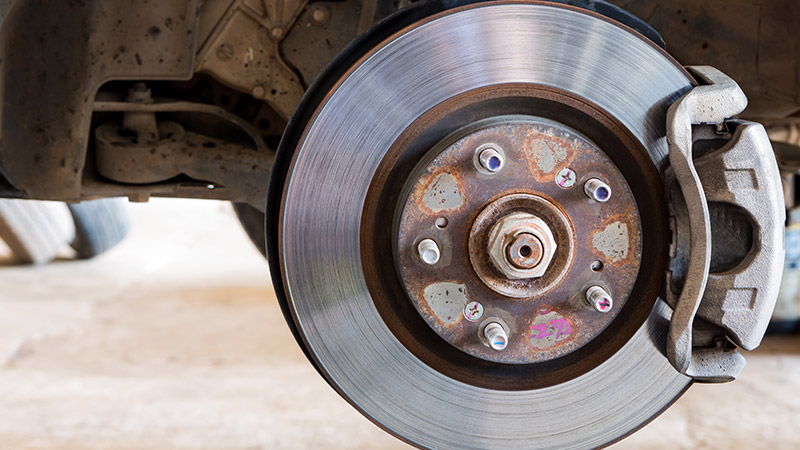
Ever wonder “What’s that noise?” when you hit the brakes? From a gentle squeal to an alarming grind, your car’s braking system communicates its health through sound. Understanding these common brake sounds is crucial for both your safety and your wallet. Ignoring unusual noises can lead to more severe problems, compromising your stopping power and potentially leading to dangerous situations on the road. This article will help you decode those unsettling sounds and provide insight into a common brake problem and simple solution: the squeaky brakes fix.
Decoding Common Brake Sounds and What They Mean
Your vehicle’s braking system is a complex network of components designed to bring you to a safe stop. When any part of this system experiences wear or malfunction, it often manifests as a distinct sound. Recognizing these sounds is the first step toward effective diagnosis and repair.
Squealing or Squeaking: The Most Common Complaint
A high-pitched squeal is perhaps the most frequent brake noise drivers encounter. While often irritating, it doesn’t always signal an immediate emergency. There are several reasons for squeaky brakes:
Worn Brake Pads
Many modern brake pads are equipped with a small metal wear indicator that produces a high-pitched squeal when the pad material has worn down to a critical level, typically around two to three millimeters. This is a deliberate design intended to alert you that it’s time for a replacement. Ignoring this warning can lead to more significant damage to your rotors and decrease your braking efficiency.
Dust, Debris, and Moisture
Accumulation of brake dust, road grime, dirt, or grit between the brake pads and rotors can cause squeaking. This issue is especially common after driving through puddles, in humid conditions, or if the vehicle has been stationary for a while, allowing a thin layer of rust to form on the rotors. This type of squeak often disappears after a few brake applications, as the friction cleans the surfaces.
Glazed Rotors or Pads
Excessive heat can cause the friction material on brake pads and the surface of the rotors to become hardened and smooth, a condition known as “glazing.” Glazed components reduce braking efficiency and can result in persistent squealing sounds, necessitating prompt attention.
Poor Quality or Metallic Pads
Some brake pads, particularly less expensive options or those with a high metallic content, are more prone to squealing due to the interaction of metal particles with the rotor. If you notice squeaking with new pads, this could be the culprit.
Lack of Lubrication or Sticky Calipers
Insufficient lubrication around the pins that attach the brake pad to the caliper or the backing plates of the brake pads can lead to squealing. Additionally, a sticky caliper might cause the brake pads to remain in continuous contact with the rotor, producing noise and introducing premature wear on brake components.
For a deeper dive into common issues, check out our guide on Common Brake Problems and Their Simple Solutions.
Grinding: A More Serious Warning
A harsh, metal-on-metal grinding sound often indicates a more serious issue than a squeak and requires immediate attention. This noise typically signifies:
Severely Worn Brake Pads
When brake pads are completely worn down, the metal backing plate of the pad grinds directly against the metal brake rotor. This scenario can cause significant damage to the rotors and severely compromise your braking ability, potentially leading to brake failure.
Debris in the System
A foreign object, such as a small rock or piece of road debris, caught between the caliper and rotor can lead to noticeable grinding sounds. This can result in quick and often costly damage to both components.
Clicking or Clunking: Loose Connections
Clicking or clunking noises, especially when braking or changing direction, often point to loose components within the braking system.
Loose Hardware or Caliper Pins
If brake pads or calipers are not properly secured, they can shift and create a clicking sound. Missing or damaged brake pad clips can also cause pads to move excessively, leading to noise and possible malfunctioning.
Worn Suspension Components
Sometimes, clicking noises during braking can originate from worn suspension components, such as a control arm or suspension bushing, rather than the brakes themselves. A thorough inspection can help diagnose the issue accurately.
Vibration or Pulsation: A Shaky Stop
If you experience shaking or pulsating through the brake pedal or steering wheel while braking, it often indicates a problem with the brake rotors.
Warped Rotors
Excessive heat from heavy braking can cause brake rotors to warp, creating an uneven surface. When the brake pads contact these uneven surfaces, this results in a pulsating sensation. This condition not only affects braking efficiency but could also lead to early replacement of rotors if ignored.
Other Issues
Loose wheel bearings can contribute to vibrations when braking, as can the activation of the anti-lock braking system (ABS) on slippery roads, producing a pulsing sensation as intended to enhance safety.
When to Worry: Recognizing Serious Brake Issues
While some brake noises may be mere inconveniences, others signal serious safety hazards. If a sound is accompanied by reduced braking responsiveness, a spongy or soft brake pedal, or your car pulling to one side when braking, you should arrange for an inspection immediately. Ignoring these signs can lead to brake failure, which is a significant contributor to road accidents. According to the National Highway Traffic Safety Administration (NHTSA), an estimated 22% of collisions involving light vehicles were attributed to brake-related problems in 2015. This statistic underscores the critical importance of maintaining brake health. For more on the risks, read about The Dangers of Driving with Worn-Out Brakes.
DIY Tips for a Squeaky Brakes Fix (Minor Issues)
For minor squeaks, there are several things you can try before heading to a mechanic; however, always exercise caution and understand your limits.
First, visually inspect your brakes for obvious signs of wear or debris. Look for excessive brake dust or foreign objects lodged between the pad and rotor. Sometimes, a thorough cleaning of the brake components with a specialized brake cleaner can resolve squeaking caused by dust or grime.
For persistent squeaks unrelated to worn pads, applying an anti-squeal compound or specific brake lubricant to the back of the brake pads (never on the friction surface) can help dampen vibrations and minimize noise. Ensure all hardware is tight and properly installed, and consider consulting a professional if issues persist.
When to Seek Professional Help
While some minor brake noises can be addressed at home, it’s always best to consult a professional mechanic if the noise persists, intensifies, or is accompanied by other warning signs. They can accurately diagnose the issue and perform necessary repairs, such as replacing worn brake pads or rotors, or addressing complex problems like sticky calipers or brake fluid issues.
Preventative Maintenance for Quieter Brakes
Regular maintenance is key to preventing most brake noise and extending the life of your braking system. Experts recommend having your brakes inspected at least once a year or every 10,000 to 12,000 miles, whichever comes first. Many drivers find it convenient to schedule brake checks during their routine oil changes or tire rotations.
Your driving habits also play a vital role in brake wear. Frequent hard braking, as well as driving in stop-and-go traffic or hilly areas, can cause brakes to wear down faster, necessitating more frequent inspections. Choosing high-quality brake pads, such as ceramic or metallic brake pads, can also influence longevity and noise levels. For essential tips, review our article on Extend Your Brake Life: Essential Maintenance Tips You Need to Know. The U.S. Department of Transportation’s National Highway Traffic Safety Administration (NHTSA) provides comprehensive resources on vehicle safety, emphasizing the importance of well-maintained braking systems. Find more information and safety recalls on the NHTSA website.
Conclusion
Understanding the sounds your brakes make is a critical aspect of vehicle ownership and safety. From a simple squeal indicating worn pads to a serious grind suggesting metal-on-metal contact, each noise tells a story. While a quick squeaky brakes fix might be possible for minor issues, always prioritize safety and seek professional help for persistent or alarming brake sounds. Regular inspections and good driving habits are your best defense against unexpected brake problems, ensuring your vehicle remains safe and reliable on the road.