Your vehicle’s braking system is arguably its most critical safety feature. Ignoring common brake problems can lead to dangerous situations and costly repairs down the line. Understanding the warning signs and knowing some simple solutions can help keep you and others safe on the road.
From strange noises to unusual pedal feel, paying attention to your brakes is paramount. The National Highway Traffic Safety Administration (NHTSA) emphasizes the importance of effective braking, even advocating for technologies like Automatic Emergency Braking (AEB) to reduce accidents.
1. Squealing or Squeaking Brakes
A high-pitched squeal is one of the most common brake complaints. This sound often comes from a small metal tab, a wear indicator, on your brake pads, designed to alert you when they’re getting thin and need replacement. Additionally, moisture or dirt on the rotors can cause temporary squeaking, which usually dissipates after a few stops.
New brake pads may also squeak as they undergo a “bedding-in” process where the resin cures. If you experience persistent squealing, it may indicate a need for maintenance.
Solution: Inspect and Replace Pads, Clean Rotors
If the squealing is persistent, have your brake pads inspected. Worn pads should be replaced promptly. Consider the benefits of upgrading your brakes for better performance and longevity. Cleaning brake components can also resolve noise caused by dust or debris.
2. Grinding Brakes
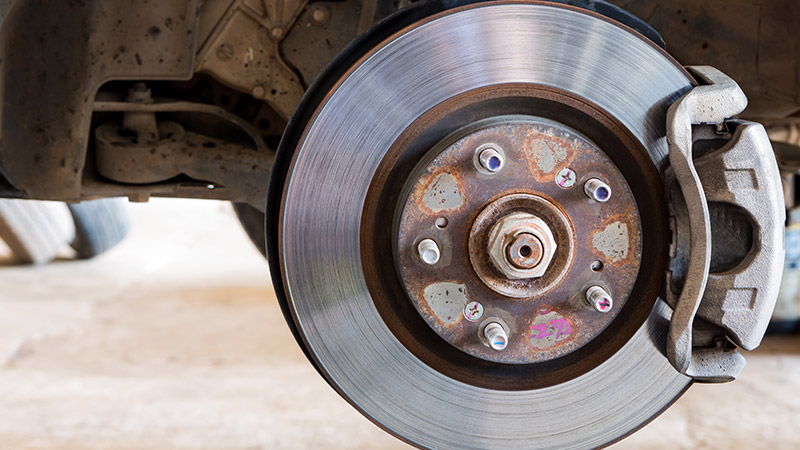
A harsh, metal-on-metal grinding sound is a serious warning sign, indicating that your brake pads are completely worn down, and the metal backing plates are scraping against the brake rotors. This can cause irreparable damage to the rotors if not addressed promptly.
Grinding can also result from debris lodged in the brake caliper or severe rotor damage. Continuing to drive with grinding brakes compromises safety and can lead to costly repairs.
Solution: Immediate Inspection and Replacement
If you hear grinding, seek professional help immediately. This typically necessitates replacing both the brake pads and possibly the rotors. Ignoring this can lead to diminished stopping power and dangerous driving conditions, emphasizing the dangers of driving with worn-out brakes.
3. Vibrating or Pulsating Brake Pedal
A pulsating or vibrating sensation in the brake pedal, particularly felt when braking at higher speeds, is often caused by warped brake rotors. Excessive heat from heavy braking can result in uneven rotor surfaces. Unevenly worn brake pads or issues with wheel alignment and suspension components can contribute to pedal vibrations.
Solution: Resurface or Replace Rotors
Warpage of rotors often requires resurfacing (machining them smooth) or replacing them entirely. It’s advisable to also check brake pads for uneven wear and ensure proper wheel alignment to maintain balanced braking.
4. Soft or Spongy Brake Pedal
If your brake pedal feels soft, spongy, or travels closer to the floor than usual, this often indicates an issue with the hydraulic system. The most common culprit is air in the brake lines, which can impair braking efficiency.
Other possibilities include low or contaminated brake fluid, a leak in the brake lines, or a failing master cylinder. These issues require immediate attention to ensure vehicle safety.
Solution: Bleed Brakes, Check for Leaks
The primary course of action is to bleed the brake system to remove trapped air. This involves flushing the old fluid and replacing it with fresh brake fluid. For detailed steps, refer to our article on how to bleed your car’s brakes. Additionally, inspect all brake lines and components for leaks.
5. Hard Brake Pedal
Experiencing a brake pedal that is unusually hard to press indicates a potential problem with the brake booster, which amplifies your braking force using engine vacuum or a pump. A cracked vacuum hose, a failing vacuum pump, or seized brake calipers can contribute to a stiff pedal experience.
Solution: Diagnose Brake Booster or Vacuum System
Test the brake booster by pumping the pedal with the engine off. When the engine starts, the pedal should drop slightly if the booster functions correctly. Also, inspect vacuum hoses for cracks and check for any seized calipers.
6. Car Pulls to One Side When Braking
If your vehicle veers to the left or right when you apply the brakes, this indicates uneven braking force, commonly due to a sticking brake caliper. Such a malfunction can cause one caliper to fail in releasing or applying pressure correctly.
Other contributing factors may include unevenly worn brake pads, contaminated brake fluid, improper wheel alignment, or issues related to tire pressure or condition.
Solution: Inspect Calipers, Pads, and Alignment
Inspect your brake calipers, pads, and rotors for signs of uneven wear or sticking. Ensure that tires are properly inflated and consider scheduling a professional wheel alignment check to enhance driving safety.
7. Burning Smell from Brakes
A pungent, burning odor often reminiscent of burning rubber or chemicals typically indicates that your brakes are overheating. This can occur during prolonged heavy braking under stress, such as driving down a steep hill.
Other potential causes include a stuck brake caliper that continuously rubs the pads against the rotor or driving with the parking brake inadvertently engaged. Even new brake components may emit smells during their “curing” process.
Solution: Allow Brakes to Cool, Inspect Components
If you detect a burning smell, safely pull over to allow the brakes to cool. Ensure that the parking brake is fully released. If the smell persists or is accompanied by smoke, a stuck caliper or worn components may be the issue, necessitating immediate inspection.
8. Brake Warning Light On
The illumination of your brake warning light on the dashboard is a critical indicator that should never be ignored. This light can signal multiple issues, including critically low brake fluid levels.
It can also suggest a malfunction in the Anti-lock Braking System (ABS), sensor issues, or that the parking brake remains engaged. Ignoring this warning can lead to significant safety risks.
Solution: Check Fluid Level, Consult Mechanic
Begin by checking your brake fluid reservoir. If it’s low, replenish it while investigating for potential leaks. If the light persists or indicates an ABS-related issue, it’s essential to have a qualified mechanic diagnose the matter to prevent potential brake failures.
9. Excessive Brake Pedal Travel or Pedal Sinks to Floor
If your brake pedal travels farther than normal before engaging or, worse, sinks completely to the floor, it poses a severe safety concern. Reasons for this may range from critically worn friction material to air in the brake lines or a significant brake fluid leak.
A failing master cylinder, where internal seals can no longer retain hydraulic pressure, is another concern that often results in the pedal sinking.
Solution: Address Leaks, Bleed System, or Replace Master Cylinder
Immediately inspect for brake fluid leaks and address them without delay. If leaks are absent, bleeding the brake system to remove air is vital. Should the master cylinder be failing, it will necessitate replacement. Avoid driving the vehicle if the pedal sinks to the floor.
Regular brake inspections and proactive maintenance are key to avoiding these common issues. Don’t wait for a warning light or unusual sensation; prioritize your brake health for a safer driving experience.
Frequently Asked Questions
What are the signs of brake problems?
Common signs of brake problems include squealing or grinding noises, vibrations in the pedal, soft or hard pedal feel, and a warning light on the dashboard. If you notice any of these issues, it’s advisable to consult a mechanic.
How often should I inspect my brakes?
It is recommended to inspect your brakes at least once a year or every 12,000 to 15,000 kilometers. Frequent checks can help identify issues early and enhance your safety on the road.
Can I drive with a soft brake pedal?
No, a soft brake pedal indicates a serious issue that could lead to brake failure. It’s vital to investigate and resolve any hydraulic system issues before driving.
How much does it cost to replace brake pads?
The cost of replacing brake pads typically ranges from $30 to $100 per set, depending on the brand and material. Installation costs vary, with labor typically between $70 and $150 per hour.