Introduction
When we think about cars, one crucial component often goes unnoticed: the brakes. These essential systems are not just accessories; they are lifelines that ensure our safety on the road. Without properly functioning brakes, driving can quickly become a harrowing experience.
From drum to disc and the innovations in between, understanding the various types of brakes in vehicles is vital for every driver. This article delves into the diverse brake systems used in cars, exploring their features and benefits to empower your automotive knowledge.
Drum Brakes
Once the standard in automotive engineering, drum brakes primarily occupy the rear wheels of vehicles today. They operate using brake shoes that come into contact with a rotating drum, facilitated by hydraulic pressure. While drum brakes are cost-effective, their performance can diminish under heavy use due to overheating, making them less suitable for high-performance applications.
Features of Drum Brakes:
- Simple design and less expensive
- Effective in standard driving conditions
- Primarily used on the rear wheels
- Low manufacturing costs
Disc Brakes
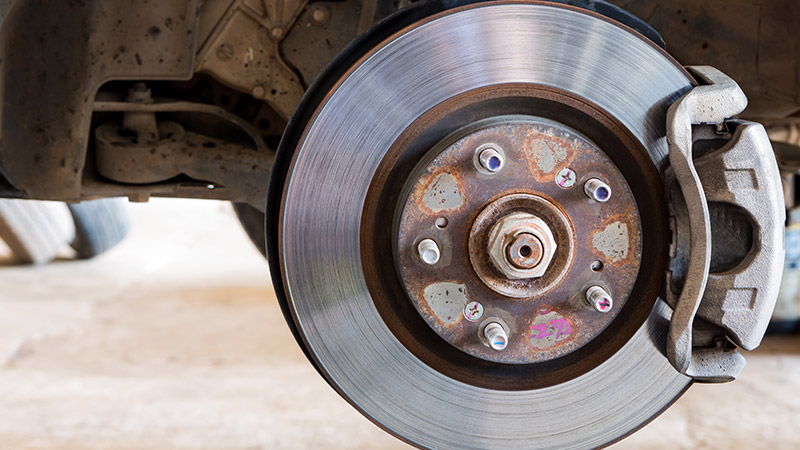
In contrast, disc brakes have taken the automotive world by storm, becoming the go-to choice for most modern vehicles. Comprising brake pads, calipers, rotors, and a hydraulic system, these brakes rely on friction generated when the pads press against the rotor. Their superior ability to dissipate heat enhances braking efficiency, particularly in high-performance cars. Additionally, disc brakes are easier to maintain and provide consistent performance under varied driving conditions.
Features of Disc Brakes:
- Enhanced stopping power and durability
- Simple and cost-effective maintenance
- Less prone to overheating and fading
- Utilized in both front and rear wheels
Hybrid Brakes
Bridging the gap between drum and disc systems, hybrid brakes amalgamate the strengths of both types. Typically, a hybrid brake system employs disc brakes at the front and drum brakes at the rear. This setup not only optimizes stopping power but also aids in evenly distributing braking forces across all wheels, offering dependable performance in a variety of driving scenarios.
Features of Hybrid Brakes:
- Exemplifies superior stopping power and efficiency
- Distributes braking forces evenly
- Combines the advantages of drum and disc brakes
- Used in both front and rear applications
Electric Brakes
Pioneering a new era in brake technology, electric brakes are now gaining traction in electric and hybrid vehicles. These systems convert the kinetic energy of the moving vehicle into electricity to operate the brakes. By employing regenerative braking, electric brakes can recharge the vehicle’s batteries, enhancing overall efficiency. However, their complexity and higher maintenance costs pose challenges compared to traditional hydraulic systems.
Features of Electric Brakes:
- Utilizes regenerative braking technology
- Increases overall vehicle efficiency
- Integrated into electric and hybrid vehicles
- Higher maintenance complexity and cost
Frequently Asked Questions (FAQs):
1. What is the difference between drum and disc brakes?
Drum brakes function by applying brake shoes against a rotating drum through hydraulic pressure. Conversely, disc brakes utilize brake pads that are pressed against a stationary rotor using calipers.
2. Can drum and disc brakes be used together?
Absolutely! Hybrid brakes effectively combine drum and disc systems to achieve enhanced stopping power and efficiency.
3. Can electric brakes be used on traditional gasoline-powered cars?
No, electric brakes are designed specifically for electric and hybrid vehicles and are incompatible with traditional gasoline-powered systems.
4. What is regenerative braking?
Regenerative braking allows electric motors to function as generators, converting kinetic energy into electricity to recharge the vehicle’s batteries while decelerating.
5. How often should I replace my brake pads?
Typically, brake pads should be replaced within 25,000 to 70,000 miles, depending on driving habits and the specific type of brake pads installed.
6. Why do disc brakes offer better performance than drum brakes?
Disc brakes provide superior performance due to their enhanced ability to dissipate heat, maintain performance under prolonged use, and allow for easier maintenance.
Conclusion
In conclusion, brakes are vital components that ensure our safety on the roads. With various types available, each brake system presents unique advantages and limitations. Understanding these features can guide you in making informed decisions when purchasing or maintaining your vehicle. We trust this article has enriched your knowledge and answered your questions about brake types.
For more insights into the automotive world, explore our top articles of the month!
This article has been manually reviewed by an editor.
Consider reading: How to choose the right brake pads for your car