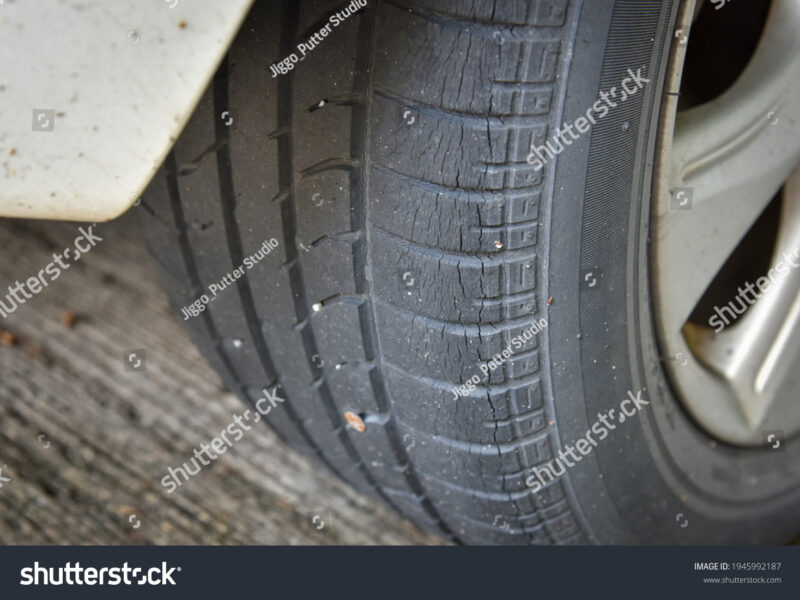
The depth of your tire tread is far more than a mere measurement; it’s a vital factor that significantly impacts the safety and performance of your vehicle. Adequate tread depth ensures essential traction, effective water dispersal, and optimal braking performance—key elements that can prevent accidents and save lives. As tread depth decreases, your vehicle faces increased risks of hydroplaning and extended stopping distances, compromising both safety and control. Thus, understanding and maintaining proper tire tread depth is crucial for your road safety and your vehicle’s longevity.
What is Car Tire Tread Depth and How is it Measured?
Car tire tread depth refers to the amount of usable rubber on a tire’s surface that interacts with the road. This important dimension is measured from the top of the tire’s rubber surface down to the bottom of its deepest grooves. New passenger vehicle tires typically start with a tread depth between 10/32 and 11/32 of an inch (approximately 8-9mm), while some truck and SUV tires may have treads as deep as 15/32 inches. In the U.S., tread depth is usually presented in 32nds of an inch, while millimeters are more common elsewhere. Tire manufacturers design tread patterns, with grooves and ridges optimized for grip, water channeling, and durability. For precise measurements, professionals use a specialized tire tread depth gauge.
How Does Tire Tread Depth Impact Vehicle Safety?
The depth of a tire’s tread plays a critical role in several key safety factors, especially during adverse driving conditions. As tread wears down, the tire’s ability to function effectively diminishes, leading to an increased risk of accidents.
How Does Tread Depth Prevent Hydroplaning and Improve Wet Weather Performance?
Maintaining adequate tire tread depth is essential in preventing hydroplaning, where a vehicle’s tires lose contact with the road due to a layer of water forming beneath them. Tread patterns are engineered with intricate grooves and channels designed to evacuate water away from the tire’s contact patch, sustaining grip on the road surface. When the tread depth diminishes, particularly below 4/32 or 2/32 of an inch, tires struggle to effectively disperse water, escalating the risk of hydroplaning, particularly at speeds above 35 mph.
How Does Tire Tread Depth Influence Braking Distance and Road Grip?
Tire tread depth significantly influences a vehicle’s braking distance, particularly on wet or slippery surfaces. Deeper treads provide enhanced traction, ensuring safer and more effective stopping. As tire tread wears down, the contact patch between the tire and the road shrinks, leading to reduced friction and extended stopping distances. The following data illustrates this relationship:
| Tire Condition | Tread Depth | Stopping Distance (60 mph, wet roads) | Impact on Stopping Distance |
|---|---|---|---|
| New Tires | 10/32 inch | 234 feet | Baseline |
| Legally Worn Tires (Hunter Engineering) | 2/32 inch | 356 feet | 52.1% Increase |
| Moderately Worn Tires (AAA Research) | 4/32 inch | ~321 feet (87 feet longer than new) | 43% Increase |
| Worn Tires (DEKRA Tests) | 2-3 mm (approx. 2/32-3/32 inch) | (Not specified, but longer) | 16-18% Longer than new tires |
This data highlights how insufficient tire tread can dramatically compromise your vehicle’s stopping capabilities, emphasizing the critical role tread depth plays in maintaining road grip and overall driving safety.
What are the Legal Minimum Tread Depth Requirements for Tires?
In the United States, most states mandate a minimum tire tread depth of 2/32 of an inch (1.6mm) for passenger vehicles. This requirement is often indicated by built-in tread wear indicator bars (TWIs), which are molded across the groove of the tire tread. When the tread wears down to level with these bars, it signals that the minimum depth has been reached, necessitating tire replacement.
| Vehicle Type / Recommendation | Minimum Tread Depth | Notes |
|---|---|---|
| Passenger Vehicles (Most US States) | 2/32 inch (1.6mm) | Legal minimum, indicated by tread wear indicators. |
| Commercial Vehicles (Steering Axles) | 4/32 inch | Federal regulation for enhanced control and safety. |
| Commercial Vehicles (Other Axles) | 2/32 inch | Federal regulation for drive and trailer tires. |
| Safety Recommendation (Experts & AAA) | 4/32 inch | Recommended for optimal traction and stopping power, especially in wet conditions. |
Although 2/32 inch is the legal minimum, many tire professionals and safety experts, including AAA and Consumer Reports, recommend tire replacement at 4/32 of an inch. This ensures optimal traction and stopping power, particularly in wet conditions.
How Can You Accurately Check Your Tire Tread Depth?
Proactively checking your tire tread depth is a straightforward yet vital task that contributes significantly to your vehicle’s safety. Here are several reliable methods to accurately measure tread depth:
- Tread Depth Gauge: This specialized tool offers the most precise measurement. To use, insert the probe into the shallowest groove of the tread, pressing the base flat against the blocks to get a reading. Multiple measurements across each tire are essential, as wear may vary.
- The Penny Test: A quick, popular method that involves inserting a U.S. penny into a tread groove with Lincoln’s head upside down. If you can see the top of his head, the tread depth is less than 2/32 of an inch, indicating that tire replacement is necessary.
- The Quarter Test: For a conservative recommendation, use a U.S. quarter. Insert it into a tread groove with Washington’s head facing down. If you can see the top of his head, the tread depth is less than 4/32 of an inch, suggesting that replacement is advisable for optimal safety.
- Tread Wear Indicators (TWIs): These are visible bars across the tread grooves. If the tire tread is flush with these bars, it’s time for immediate replacement as the tread depth has reached the legal minimum.
What Factors Contribute to Tire Tread Wear and How Can You Mitigate Them?
While tire tread wear is a natural process, various factors can accelerate it or create uneven wear patterns, jeopardizing safety and tire longevity. Here’s a breakdown of contributing factors and strategies you can adopt to minimize their impact:
| Factor Contributing to Tread Wear | Effect on Tread | Mitigation Strategy |
|---|---|---|
| Incorrect Tire Pressure (Under/Overinflation) | Causes uneven wear, with overinflation leading to center wear and underinflation causing shoulder wear. | Check tire pressure monthly and prior to long trips, adjusting it according to the manufacturer’s specifications. |
| Wheel Misalignment | Leads to feathering and one-sided shoulder wear, resulting in erratic wear patterns. | Conduct regular wheel alignment checks, especially after hitting potholes or curbs. |
| Aggressive Driving Habits | Causes rapid and uneven wear from sudden acceleration, hard braking, and sharp cornering. | Embrace smooth and cautious driving habits to maintain tire integrity. |
| Tire Balancing Issues | Results in cupping or scalloped wear, often leading to rhythmic thumping noises. | Ensure regular tire balancing services are part of your maintenance routine. |
| Worn Suspension Components | Contributes to erratic wear, including cupping, due to improper weight distribution and control. | Inspect and replace worn shocks, struts, or other suspension components promptly. |
| Lack of Tire Rotation | Causes uneven wear throughout all four tires due to differing loads and driving forces. | Follow the manufacturer’s recommendations for regular tire rotations to promote even wear. |
Frequently Asked Questions About Tread Depth
Q: How often should I check my tire tread depth?
A: It is advisable to check your tire tread depth at least once a month, or before embarking on long trips. Consistent inspections help catch wear patterns early, ensuring timely tire replacements that enhance road safety.
Q: What happens if I drive with worn tires?
A: Driving with worn tires heightens safety risks, including diminished traction, extended braking distances, and increased vulnerability to hydroplaning in wet conditions. Additionally, non-compliance with legal tread depth regulations may result in fines or failing state inspections.
Q: Does tire tread depth affect fuel efficiency?
A: While new tire tread is engineered to balance durability and fuel efficiency, worn treads can influence rolling resistance, potentially affecting fuel consumption. However, the safety risks associated with worn tires far outweigh any minor fuel savings, making safety the top priority.