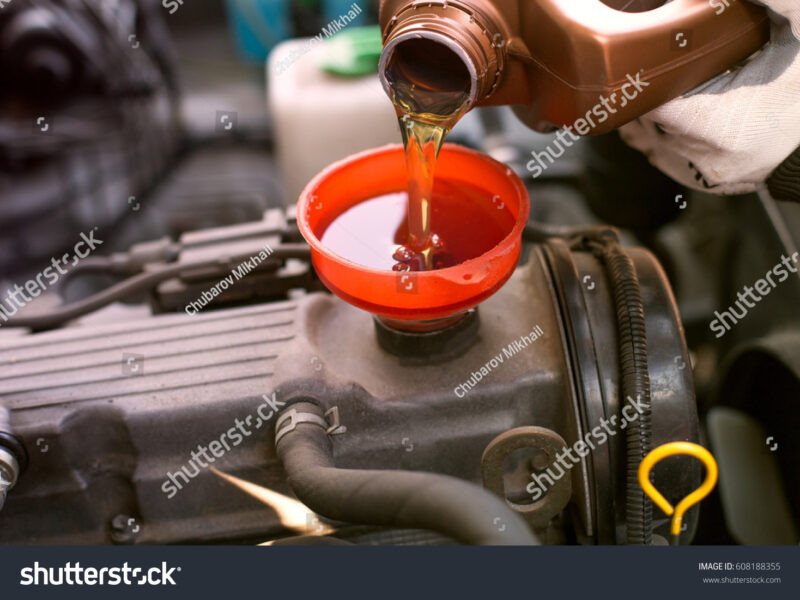
Cartridge oil filters represent a distinct approach to engine lubricant filtration, specifically designed to cater to modern automotive engineering. Unlike the conventional spin-on filters, cartridge filters consist solely of the internal filter element, which needs replacement, while the external housing remains durable and reusable. This unique design contributes fundamentally to engine performance by meticulously removing detrimental contaminants such as dirt, metallic particles, and sludge from the engine oil. Ensuring sustained engine health and optimal operational longevity hinges on the effectiveness of this filtration.
What is a Cartridge Oil Filter and How Does its Filtration System Operate?
A cartridge oil filter operates by housing a replaceable filter media element within a fixed external casing, typically integrated into the engine block. As engine oil circulates, it first enters the housing, passes through the porous filter media, and subsequently returns to provide clean lubrication to the engine components. This filtration process is crucial as it traps particulate matter that could lead to abrasive wear on essential internal components. Cartridge filters offer different filtration efficiencies based on their construction material, commonly utilizing cellulose, synthetic fibers, or a blend, each serving distinct purposes in filtration efficiency and flow rates. Understanding the intricacies of these components is vital for optimal vehicle maintenance, much like knowledge of essential brake system diagnostic tools for DIY troubleshooting.
How Do Cartridge Oil Filters Differ from Traditional Spin-On Oil Filters in Design and Function?
The distinction between cartridge and spin-on oil filters primarily lies in their construction and replacement methodology. A spin-on oil filter is a single, sealed unit that comprises both the filter media and its metal housing, designed for complete disposal during maintenance. In contrast, a cartridge filter system utilizes a permanent housing where only the internal filter element is removed for replacement. This architectural divergence significantly impacts environmental footprints, service complexity, and material costs. Modern vehicle manufacturers increasingly specify cartridge systems, mirroring trends toward waste reduction and more integrated component structuring.
Comparative Analysis: Cartridge vs. Spin-On Oil Filter Attributes
| Attribute | Cartridge Oil Filter | Spin-On Oil Filter |
|---|---|---|
| Design | Replaceable element within a permanent housing | Self-contained, disposable unit with integrated housing and element |
| Environmental Impact | Lower waste volume (only the element is disposed) | Higher waste volume (entire metal canister disposed) |
| Replacement Process | Requires housing removal, element change, and seal replacement; specific tools often needed | Simple unscrewing and re-screwing of new unit; hand-tightening often sufficient |
| Cost (per change) | Element typically less expensive than a full spin-on unit | Unit cost generally higher than a cartridge element alone |
| Bypass Valve | Often integrated into the engine block or housing | Typically integrated directly into the filter unit |
| Anti-Drain Back Valve | Less critical as housing retains oil; design-dependent | Essential for preventing oil drain-back to the sump when engine is off |
| OEM Adoption | Increasingly common in newer vehicle designs | Historically dominant, still widely used in older and some new vehicles |
What Advantages Do Cartridge Oil Filters Present for Engine Performance and Environmental Sustainability?
Cartridge oil filters unveil several distinct advantages, particularly regarding environmental responsibility and potential cost savings over an engine’s lifespan. By solely replacing the filter element rather than the entire unit, the volume of discarded waste, mainly metal, is substantially reduced compared to conventional spin-on filters. This practice contributes to a smaller ecological footprint. Moreover, the design accommodates greater flexibility in filter media selection and density, enhancing filtration efficiency tailored to specific engine requirements. Many contemporary engines, designed with precise tolerances, greatly benefit from the improved filtration capabilities enabled by cartridge systems.
What Are the Primary Considerations and Potential Disadvantages of Utilizing Cartridge Oil Filters?
While cartridge oil filters present specific benefits, they also come with notable considerations. The replacement process can be more involved; it often requires specialized tools to open the filter housing and replace seals, potentially deterring some DIY enthusiasts. Improper installation of the filter element or seals can lead to oil leaks or subpar filtration. Additionally, overtightening the filter housing risks damaging the housing, resulting in costly repairs. The potential for mess during removal, due to the open housing and oil spillage, is a commonly reported drawback. Proper vehicle maintenance, including a clear understanding of specific requirements, is paramount, similar to grasping the factors influencing the evolution of automotive braking systems.
How Do Different Filter Media Materials Influence the Filtration Efficiency and Lifespan of Cartridge Filters?
The selection of filter media material significantly influences the efficiency, flow characteristics, and overall lifespan of cartridge filters. Cellulose media, derived from paper, is a widespread choice that offers adequate particle retention for typical oil change intervals but has higher flow resistance, degrading quicker under extreme conditions. Conversely, synthetic media, constructed from synthetic fibers, provides superior flow rates and finer filtration, achieving lower micron ratings without sacrificing flow, allowing for better engine protection and often enabling extended service intervals. Blended media employs both cellulose and synthetic fibers to strike a balance between cost, efficiency, and durability. Given the specific demands of modern engine oils and the trend towards longer drain intervals, utilizing higher-performance synthetic or blended media has become essential.
Frequently Asked Questions About Cartridge Oil Filters
How often should a cartridge oil filter be replaced?
The replacement interval for a cartridge oil filter typically aligns with the engine oil change schedule specified by the vehicle manufacturer. This usually translates to every 5,000 to 10,000 miles or every 6 to 12 months. However, this frequency can vary based on driving conditions, oil type, and filter media. Always consult your vehicle’s owner’s manual for precise recommendations.
Can a cartridge oil filter be installed in a vehicle designed for spin-on filters?
No, it is generally not possible to interchange cartridge and spin-on oil filters. Engines are designed with a specific oil filtration system; thus, installing an incompatible filter type results in improper fitment, potential oil leaks, and severe engine damage. The housing and oil flow paths are distinct for each type.
What type of oil is most suitable for use with cartridge oil filters?
The type of oil appropriate for use with cartridge oil filters is determined by the vehicle manufacturer’s specifications rather than the filter type itself. Most modern vehicles requiring cartridge filters are engineered for synthetic or synthetic-blend engine oils, which offer superior protection and stability, particularly with extended drain intervals. Always use the oil viscosity and specification recommended in your owner’s manual.