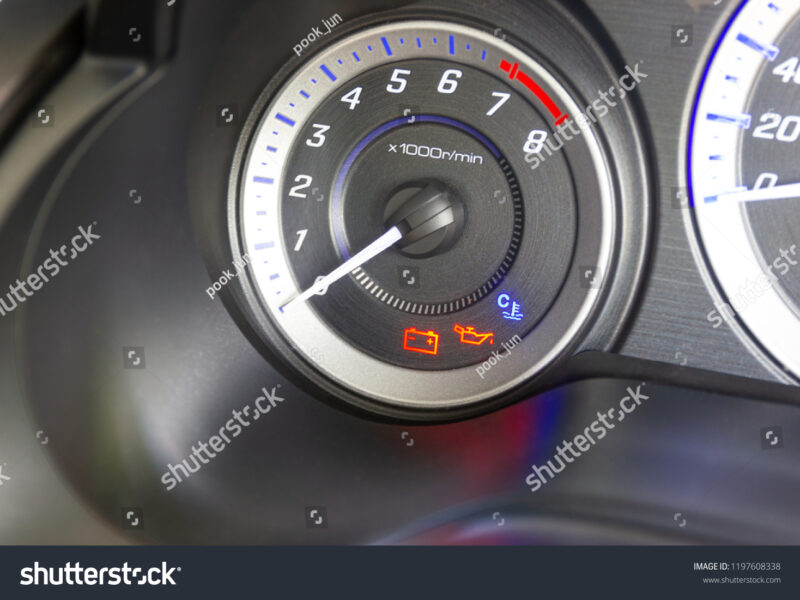
A car battery is an essential electrochemical device that provides the electrical energy necessary to start a vehicle’s engine and power its various electronic components. It converts chemical energy into electrical energy, delivering a surge of high amperage to the starter motor. While the car battery’s primary purpose is to crank the engine, it also stabilizes voltage for the vehicle’s electrical system once the engine is running, allowing the alternator to take over.
What Key Performance Metrics Define a Reliable Car Battery?
Reliable car battery performance is determined by several critical metrics that reflect its starting power, sustained energy delivery, and durability. Key performance indicators include:
- Cold Cranking Amps (CCA): CCA measures the battery’s ability to start an engine in cold temperatures, representing the number of amperes a 12-volt battery can deliver for 30 seconds at 0°F (-18°C) while maintaining at least 7.2 volts. A higher CCA rating indicates greater starting power in harsh weather conditions.
- Reserve Capacity (RC): RC measures the number of minutes a fully charged battery can deliver 25 amperes of current at 80°F (27°C) while still maintaining a minimum voltage of 10.5 volts. This metric indicates how long essential accessories can operate if the alternator fails, providing critical backup power.
- Lifespan: The lifespan of a car battery, typically ranging from three to five years, indicates its expected operational duration before requiring replacement. The lifespan is influenced by factors such as battery type, climate, charging habits, and vehicle usage patterns.
What are the Primary Types of Automotive Batteries?
Automotive batteries fall into several categories, each employing distinct internal constructions and chemical processes to deliver power. The most common types include:
- Flooded Lead-Acid Batteries: These traditional car batteries contain a liquid electrolyte solution that covers lead plates. They are cost-effective and suitable for standard vehicle applications but require occasional maintenance to check and replenish electrolyte levels. They typically offer reliable CCA performance.
- Absorbed Glass Mat (AGM) Batteries: AGM batteries utilize a fine, woven glass mat between the lead plates to absorb the sulfuric acid electrolyte, making them spill-proof and resistant to vibrations. AGM technology provides higher CCA ratings, quicker recharging abilities, and a longer lifespan compared to flooded batteries, making them ideal for vehicles with start-stop technology and extensive electronic systems.
- Gel Cell Batteries: Gel cell batteries utilize a silica-based gel to suspend the electrolyte, preventing leaks and enhancing vibration resistance. While they excel in deep-cycle applications and extreme temperatures, they generally exhibit lower CCA ratings and slower charging capabilities compared to AGM batteries.
Top 5 Car Batteries for Reliable Performance in 2025
Selecting a reliable car battery for 2025 involves understanding advancements in battery technology, the specific demands of vehicles, and the warranties provided by manufacturers. The following batteries represent leading options known for their consistent performance, durability, and suitability for various automotive applications, ranging from standard sedans to those equipped with advanced electronic systems:
| Battery Model | Type | Typical CCA Range | Typical RC (minutes) | Key Features | Warranty (Years) |
|---|---|---|---|---|---|
| Optima YellowTop | AGM | 750-800 | 120-140 | Deep-cycle and starting power, spill-proof, vibration resistant | 3 |
| DieHard Platinum AGM Battery | AGM | 900 | 145 | Excellent performance in extreme climates, ideal for trucks and SUVs | 4 |
| ACDelco Professional AGM Battery | AGM | 700-800 | 120-130 | Enhanced cycling capabilities, spill-proof, maintenance-free | 3 |
| Bosch S6 AGM High Performance | AGM | 760-920 | 140-170 | Designed for vehicles with Start/Stop systems, superior power output | 4 |
| NEXCELL Lithium-ion Battery | Lithium | 300 | N/A | Lighter weight, longer lifespan, ideal for electric vehicles | 5 |
The Optima YellowTop battery is an AGM type recognized for its dual-purpose capabilities, delivering robust starting power and deep-cycle performance, making it suitable for vehicles with significant accessory loads or modified electrical systems. The DieHard Platinum AGM Battery stands out with high CCA values, providing reliable starts and sustained power in demanding applications. ACDelco Professional AGM batteries strike a balance between CCA and RC, excelling in vehicles needing enhanced cycling capabilities without maintenance. The Bosch S6 AGM High Performance battery is engineered to meet the stringent demands of vehicles with advanced start-stop technology, ensuring consistent power and extended life cycles. Finally, the NEXCELL Lithium-ion Battery presents an innovative option for electric vehicles, offering a lightweight design and longer operational lifespan, further advancing battery technology.
How Does Battery Technology Evolve for Modern Vehicles?
Battery technology is continuously evolving to accommodate the increasing electrical demands of modern vehicles, which now incorporate advanced electronic systems and fuel-saving features, such as start-stop technology. Contemporary automotive battery research focuses on enhancing energy density, prolonging cycle life, and improving charging efficiency. This evolution has led to a reliance on advanced battery chemistries, including lithium-ion (Li-ion) in certain hybrid and electric vehicles, which offer superior power-to-weight ratios and extended lifespans compared to traditional lead-acid batteries. The goal is to support complex on-board computers, infotainment systems, and safety features while also reducing vehicle emissions through efficient power management.
Frequently Asked Questions About Car Batteries
How often should a car battery be replaced? A car battery typically requires replacement every three to five years. However, this timeframe can significantly vary based on battery type, climate, vehicle usage patterns, and maintenance habits. Regular battery health checks can help determine the optimal replacement interval.
What is the difference between CCA and RC? Cold Cranking Amps (CCA) measures the instantaneous power a battery can deliver for starting an engine in cold temperatures, whereas Reserve Capacity (RC) indicates how long a battery can provide essential electrical power if the vehicle’s charging system fails. CCA is crucial for starting the engine, while RC reflects the battery’s ability to sustain operations during emergencies.
Can a bad battery affect other vehicle components? Yes, a failing car battery can negatively impact various vehicle components by causing voltage fluctuations and insufficient power supply. This scenario may lead to issues with the starter motor, alternator, and electronic control units (ECUs), as well as sensitive infotainment systems, potentially causing malfunctions or premature wear on these parts. Ensuring a healthy battery is vital for the overall integrity of the vehicle’s electrical system.
Tips for Maintaining Your Car Battery
Simple habits can significantly extend your car battery’s lifespan. Regularly clean battery terminals to prevent corrosion, ensure the battery is properly secured in its tray to minimize vibrations, and check fluid levels if applicable. Additionally, use a smart charger during prolonged inactivity to maintain battery health. For further insights, consider exploring simple habits to help extend your car battery’s lifespan.
Conclusion
In summary, choosing the right car battery is critical for the reliable operation of your vehicle, particularly given the increasing electrical demands of modern automotive technology. Understanding performance metrics like CCA and RC, as well as familiarizing yourself with various battery types, empowers consumers to make informed decisions. Investing in a high-quality automotive battery ensures longevity, optimal vehicle performance, and reliable safety features.
Market Trends and Future Insights
The automotive battery market is witnessing a transformative shift towards solid-state batteries and emerging technologies, which promise higher energy densities and improved safety. Regulatory changes also significantly impact battery development cycles, driving innovations in vehicle electrification and energy efficiency. Keeping abreast of these trends is crucial for consumers and manufacturers alike.
Sources and References
To add credibility to your research, consider referring to reputable sources, including detailed studies on battery technologies, market analyses, and established manufacturers. For comprehensive insights, consult resources like car battery warranties and strategies for efficient battery charging.