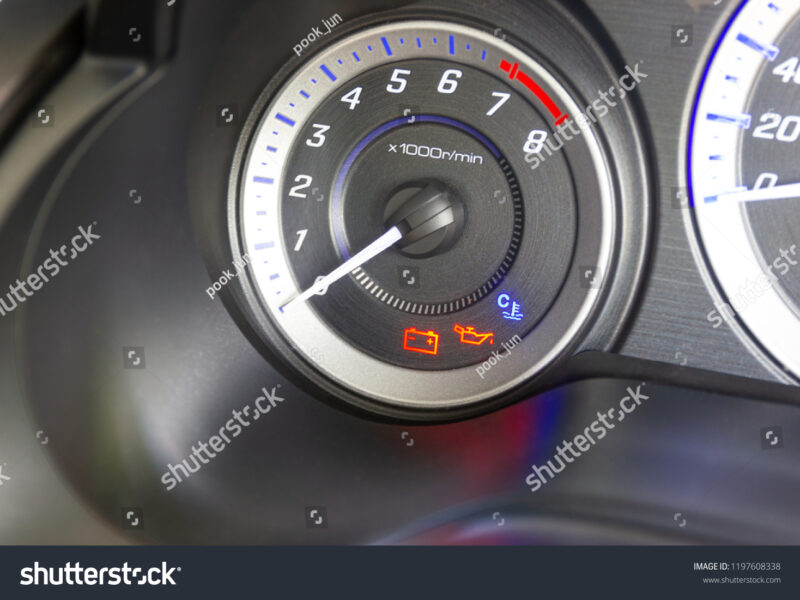
A car battery, typically a 12-volt system, is the essential electrical component that starts the engine and powers the vehicle’s various electronic systems. Although conventional lead-acid batteries have an average life span of 3 to 5 years, a combination of rigorous maintenance and appropriate driving habits can significantly extend this period, achieving even 10 years under optimal conditions.
Maximizing the durability and performance of your car battery hinges on understanding its technical specifications, identifying common degradation factors such as extreme temperatures and vibrations, and adopting proactive daily practices. This exhaustive guide offers expert insights into battery types, maintenance protocols, and market trends, enabling you to substantially prolong battery life, minimize unexpected breakdowns, and ensure constant vehicle reliability.
Statistics on Average Car Battery Life
According to recent data, the lifespan of car batteries varies largely depending on the type and conditions in which they are used. Reports indicate that approximately 50% of lead-acid batteries fail by the end of their fourth year, while well-maintained batteries can last beyond five years. Investing in battery care can prevent unexpected expenses associated with battery failures, often costing between $100 and $300 for a replacement.
Understand Your Battery
Types of Batteries:
- Lead-Acid Batteries: The most common type; they require maintenance to ensure longevity.
- AGM (Absorbent Glass Mat) Batteries: More expensive but offer better performance and lifespan; ideal for extreme climates.
- Lithium Batteries: Lighter and longer-lasting, yet considerably more costly.
Specifications:
- Capacity in ampere-hours (Ah)
- Voltage (commonly 12V)
- Physical size and type of terminals
Regular Maintenance
Perform loading tests on the battery every six months to check its performance. Cleaning the battery terminals and posts can help prevent corrosion. Furthermore, using a voltmeter to check the charge is crucial; a healthy battery should read approximately 12.6V when fully charged.
Driving Habits
Avoid Frequent Short Trips
Each short drive does not allow the alternator to fully recharge the battery. Aim for longer drives to ensure the battery receives a complete charge, which typically requires at least 20-30 minutes of driving.
Turn Off Accessories Before Starting
Ensure radios, lights, climate control, and other accessories are shut off prior to starting the vehicle to minimize the load on the battery during startup.
Extreme Temperatures
Cold Weather
Battery capacity decreases in subzero temperatures. It’s advisable to park in garages or use battery warmers to prevent strain during startup.
Hot Weather
High temperatures can accelerate the evaporation of the electrolyte and damage the battery. Protecting the battery from excessive heat can significantly enhance its lifespan.
Using Battery Chargers
Employing a smart battery charger or maintainer, such as CTEK or NOCO Genius, can be beneficial — with costs averaging between $50 and $150, depending on features. For vehicles not used regularly, a disconnect switch can be helpful in preserving the battery charge.
Market Options and Prices
Current prices for batteries vary based on type:
- Lead-Acid Batteries: $50 to $150.
- AGM Batteries: $100 to $300.
- Lithium Batteries: Starting at $200 to over $1,000.
Comparative market leaders like Optima, Interstate, and Exide are noted for their quality and warranty options.
Detecting Failures and Signs of Wear
Visible signs of battery failure include swelling, leaks, and corrosion. If the vehicle has difficulty starting or the dashboard lights dim, it’s vital to inspect the battery.
Recycling and Disposal
Emphasizing battery recycling is important; approximately 97% of lead-acid battery materials can be recycled. Options for disposing of dead batteries include local recycling centers and retailers that accept returns.
Conclusion
Recap of discussed habits: maintaining and extending battery life ultimately saves costs in the long run. Regular monitoring, appropriate driving habits, and the use of a maintainer will significantly enhance battery longevity.
References and Resources
- Enlaces a sitios especializados sobre baterías, herramientas de diagnóstico y foros de usuarios.
- Comparativas de productos y reseñas de consumidores.
SEO and Keyword Strategy
Incorporate keywords and relevant phrases such as “how to prolong car battery life,” “car battery maintenance,” and “best car battery” throughout the article. Utilize tools like SEMrush or Ahrefs to analyze competition and keyword research.
FAQs
What Are the Key Technical Specifications for Car Batteries?
Understanding specifications like voltage, capacity (Ah), and Cold Cranking Amps (CCA) is critical for selecting the right battery and evaluating performance effectively.
What Battery Types Are Available?
Various types of batteries exist, including Lead-Acid, AGM, and Lithium variants, each with unique characteristics and ideal applications.
How Often Should I Test My Battery?
It’s advisable to test the battery every six months or whenever the vehicle is serviced to catch potential issues before they lead to failure.
What Maintenance Practices Can Extend My Battery Life?
Regularly clear corrosion from terminals, monitor charge levels, and avoid excessive heat or cold exposure to ensure the battery lasts longer.