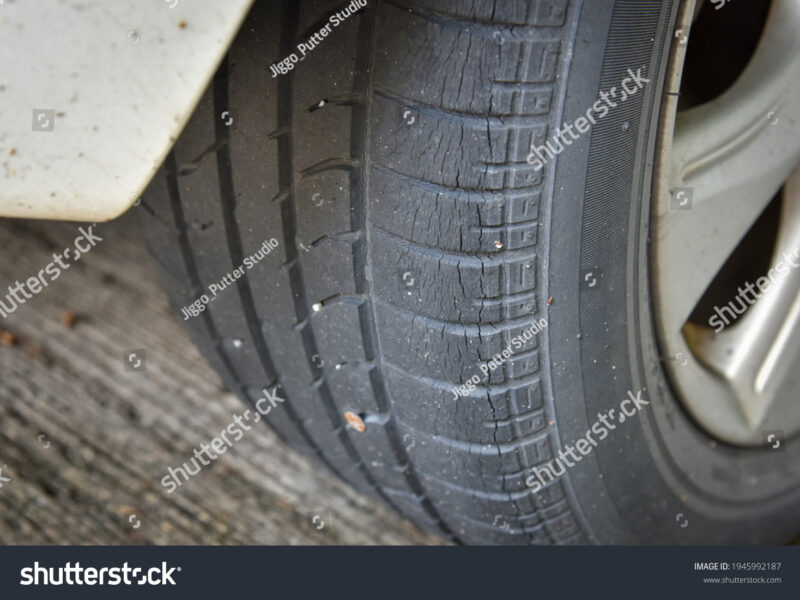
EV tires are not just another set of wheels; they are meticulously engineered components designed to meet the unique demands of electric vehicles. Unlike traditional internal combustion engine (ICE) tires, these specialized tires play a crucial role in enhancing an EV’s range, handling, and overall performance. By addressing elements like vehicle weight, instantaneous torque delivery, and reduced cabin noise, EV tires ensure a superior driving experience.
What Distinguishes EV Tires from Conventional Car Tires?
EV tires are characterized by specific design and material features tailored to the distinct characteristics of electric vehicles. The heavier mass, instant torque, and energy efficiency requirements of EVs set these tires apart. Unlike ICE tires, EV-specific tires focus on low rolling resistance to maximize battery range, increased load capacity to accommodate heavier batteries, and advanced noise reduction technologies to complement the quiet operation of electric powertrains.
As electric vehicles bear a greater curb weight due to their heavy battery packs, they necessitate tires with higher load indexes and reinforced sidewall constructions. The instant torque from electric motors not only enhances performance but also places additional stress on tire treads. Hence, the rubber compounds used in EV tires are engineered for increased durability and superior grip. Additionally, the absence of traditional engine noise in EVs highlights the importance of minimizing tire-road noise, leading to innovations in sound-dampening technologies.
| Attribute | EV Tires | Conventional ICE Tires |
|---|---|---|
| Rolling Resistance | Significantly lower for increased range. | Moderate to high, less focus on extreme efficiency. |
| Load Capacity | Higher load index to support increased vehicle weight. | Standard load index based on typical vehicle weight. |
| Noise Reduction | Integrated technologies (e.g., foam inserts) to minimize road noise. | Standard noise reduction, engine noise often masks tire noise. |
| Torque Management | Optimized for high torque, requiring durable compounds. | Designed for gradual torque delivery. |
| Tread Wear | Engineered to resist accelerated wear from high torque and regenerative braking. | Standard wear rates, influenced by driving style and vehicle type. |
How Do Electric Vehicles Impact Tire Wear and Performance?
The impact of electric vehicles on tire wear and performance is significant, primarily due to their immediate torque output and regenerative braking features. The instantaneous availability of torque during acceleration subjects EV tires to greater stress, which can lead to faster wear compared to their ICE counterparts.
Regenerative braking, a compelling feature that recycles energy back to the battery, also alters tire dynamics. While this process reduces reliance on traditional friction brakes, the initial force during braking can create distinct wear patterns on EV tires. Manufacturers such as Pirelli, Michelin, and Goodyear are now producing specialized rubber compounds that incorporate higher silica content and unique tread patterns to mitigate these wear factors and maintain superior grip.
What Specific Technologies Optimize EV Tires for Range and Durability?
To meet the rigorous demands of electric powertrains, EV tires boast advanced technologies that enhance both range and durability. Innovations include specialized tire constructions aimed at achieving low rolling resistance, improved load capacities, and integrated noise reduction features. In fact, low rolling resistance designs can extend an EV’s battery range by up to 10% in some instances.
To support the substantial weight of EV batteries, tire manufacturers reinforce sidewalls and increase the load index in EV tires. This structural enhancement prevents tire deformation and ensures stability while driving at higher speeds. Additionally, noise reduction technologies such as polyurethane foam inserts within the tire cavity significantly decrease cabin noise. Some EV tires are even crafted with optimized aerodynamic designs to reduce air turbulence around the wheels, further promoting vehicle efficiency.
What Role Does Tire Composition Play in EV Tire Efficiency?
The composition of EV tires is fundamental to their efficiency. Manufacturers engineer unique blends of natural and synthetic rubbers, often mixed with high silica concentrations. This innovative approach lowers internal friction within the tire compound, substantially decreasing rolling resistance without sacrificing wet grip.
The precise polymer structure and curing techniques enhance a tire’s ability to withstand the high torque output typical of electric motors while minimizing heat generation. Therefore, EV tires can excel in both longevity and range under the demanding conditions presented by electric vehicles.
How Do You Choose the Right EV Tires for Your Electric Vehicle?
Selecting the optimal EV tires for your vehicle involves careful consideration of tire markings, performance characteristics, and personal driving preferences. Look for tires designated with an “EV” marking or a manufacturer’s proprietary symbol, such as the Michelin Pilot Sport EV or Goodyear ElectricDrive. These indicators confirm that the tires are specifically designed to meet the requirements of electric vehicles.
Critical factors to evaluate include the tire’s load index, which must be adequate for the vehicle’s weight, and its speed rating, which should meet or exceed the EV’s maximum speed. Additionally, consider your common driving conditions—whether urban, highway, or mixed—and prioritize attributes such as wet weather handling, noise levels, or maximum range extension. For more informed tire selection, consult your vehicle’s owner’s manual for recommended specifications and check expert reviews from reputable organizations like Consumer Reports.
What Are the Environmental Benefits and Challenges of EV Tires?
EV tires present several environmental benefits, primarily by lowering energy consumption and emissions. The low rolling resistance of these tires translates to reduced energy demands from the battery, allowing for more extended driving ranges and less frequent charging, which ultimately lessens the carbon footprint associated with vehicle operation.
Nevertheless, the increased weight and torque of electric vehicles can lead to quicker tire wear, posing a challenge due to the resultant particulate matter released into the environment. To combat this issue, manufacturers are racing to develop more durable compounds and explore sustainable materials for tire construction. Innovations include using renewable and recycled materials, such as bio-sourced oils, rice husk ash silica, and recycled rubber, to mitigate the environmental impacts of tire production and disposal. Similar sustainability goals can be seen in the development of eco-friendly brake pad options.
Frequently Asked Questions About EV Tires
How often should EV tires be replaced compared to conventional car tires?
Due to the unique forces associated with electric vehicles—higher weight and instantaneous torque—EV tires may require more frequent replacement than conventional car tires. However, the actual lifespan of the tires will depend on factors like driving habits, tire type, and road conditions.
Can I use regular tires on an electric car, or are EV-specific tires mandatory?
While it is technically possible to use regular tires on an electric car, it’s not recommended for optimal performance, efficiency, and safety. EV-specific tires are designed to handle the increased weight, instantaneous torque, and noise reduction needs of electric vehicles, resulting in superior efficiency and a quieter ride.
Do EV tires cost more than standard tires, and why?
Yes, EV tires generally cost more than standard tires due to the advanced technologies, specialized materials, and extensive research and development required for their design and production. These features facilitate lower rolling resistance, increased load capacity, and enhanced noise reduction specifically for electric vehicles.