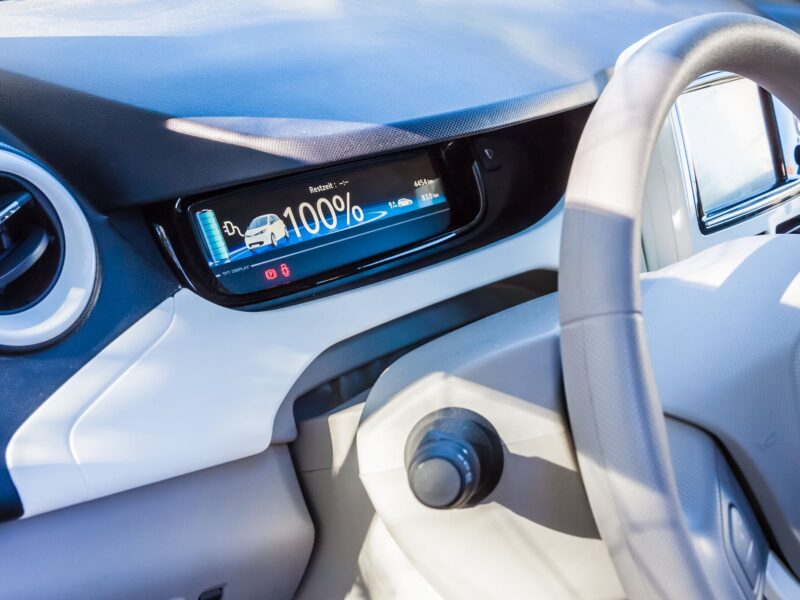
Understanding the tesla battery degradation scale is vital for current and prospective Tesla owners as it plays a significant role in the long-term efficiency and usability of the vehicle.
What is Tesla Battery Degradation?
Tesla battery degradation refers to the gradual loss of capacity and power of Tesla’s lithium-ion batteries over time and usage. Typically, owners can expect robust performance for about 8 to 10 years, a timeframe during which the degradation threshold is less noticeable. However, after reaching 100,000 miles, the effects of battery wear become more evident.
The primary factor contributing to Tesla battery degradation is the chemical aging process, where repeated charge and discharge cycles cause microscopic changes in the battery’s internal structure. These changes can lead to increased resistance, reduced capacity, and ultimately lower range. Most Tesla drivers can expect a degradation rate of about 10-20% after their batteries have logged 100,000 miles. This means a Model 3 with a nominal range of 350 miles may only deliver about 280-315 miles after extensive use.
Another important aspect is temperature management. Tesla employs active thermal management systems, which help to mitigate temperature-induced stress on batteries. However, prolonged exposure to extreme temperatures can accelerate degradation. Owners in hotter climates, for instance, should be aware of how daily temperature fluctuations may impact the longevity of battery performance.
What Are the Signs of Battery Degradation?
As Tesla batteries age, there are clear indicators that suggest they may be losing capacity. A significant reduction in range, as noted, is perhaps the most evident sign. Owners should pay attention to the performance during regular driving conditions and report dramatic differences compared to past experiences.
Another telltale sign is an increase in charging time. If the battery takes considerably longer to reach a full charge than earlier, this may indicate underlying degradation issues. Additionally, frequent warnings or notifications regarding battery performance or maintenance should not be ignored.
Monitoring the state of health (SoH) is essential. Tesla provides access to detailed battery analytics through its onboard interface, allowing users to review historical data on battery performance and gradual degradation.
Can Tesla Owners Mitigate Battery Degradation?
Yes, Tesla owners can employ several practices to alleviate the effects of battery degradation. Regularly updating the vehicle’s software is critical as Tesla continuously improves battery management algorithms, enhancing overall performance and longevity.
Charging habits can also significantly play a role. For example, avoiding full charges beyond 90% and discharges below 20% can help maintain the battery’s health. Employing the “Scheduled Departure” feature allows owners to not only plan charging sessions but also maximize battery lifespan by ensuring the battery is at an optimal state when in use.
Lastly, minimizing high-speed driving where possible and leveraging regenerative braking will contribute positively to overall battery health and longevity. Keeping the vehicle in a climate-controlled environment can also mitigate risks associated with temperature fluctuations.
What to Expect After 100,000 Miles?
Arriving at the 100,000-mile mark signifies an important phase in a Tesla’s life. By this stage, battery capacity may have diminished noticeably, typically allowing 10-20% less range compared to its performance when new. Particularly, Teslas are designed to travel approximately 300,000-500,000 miles before significant battery replacement becomes necessary.
Moreover, certain Tesla models, including the Model S and Model X, may require earlier replacements or repairs, particularly if the owner’s driving patterns have led to excessive fast charging or improper maintenance. It is essential to refer to Tesla’s support page for specific recommendations regarding battery health assessments and management practices.
Investing in regular battery maintenance checks and leveraging software tools are advised to keep degrading factors at bay. Understanding the expected performance post-100,000 miles should inform owners when to plan their next steps, including evaluating if a battery replacement is necessary.
Battery Performance by Mileage: A Comparative Table
| Mileage | Expected Capacity Loss | Range Reduction |
|---|---|---|
| 50,000 miles | 5-10% | 350 miles to 315-333 miles |
| 100,000 miles | 10-20% | 350 miles to 280-315 miles |
| 150,000 miles | 20-30% | 350 miles to 245-280 miles |
Frequently Asked Questions
How long do Tesla batteries last?
Tesla batteries are designed to last between 8 to 10 years or about 300,000-500,000 miles, depending largely on vehicle usage and maintenance. Most owners experience minimal degradation during the initial years, with more noticeable loss around the end of this period.
What factors influence Tesla battery degradation?
Several factors can influence Tesla battery degradation, including charging habits (frequency and duration), exposure to extreme temperatures, driving styles, and the overall condition of the vehicle’s battery management system. Following Tesla’s best practices can alleviate excessive wear.
Can battery degradation be reversed?
Battery degradation is typically irreversible; however, certain maintenance practices and software upgrades can help maximize this lifespan and maintain optimal performance levels. Regular check-ups and adherence to recommended practices can mitigate further losses.
Where can I find more information on battery health management?
For additional insights on battery health and maintenance, consider checking resources like 5 Clear Signs Your EV Battery Is Losing Capacity in 2026, Understanding Electric Car Battery Degradation: Factors and Prevention Tips, and EV Battery Longevity: How Many Years Can You Actually Expect?.