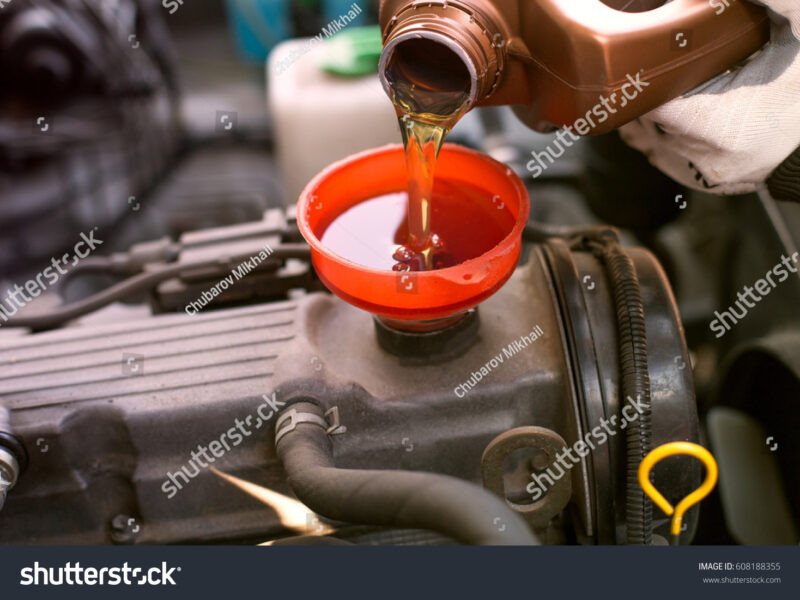
An oil filter plays a vital role in the lubrication system of an internal combustion engine. Its primary purpose is to eliminate contaminants from the engine oil, ensuring a steady flow of clean oil that lubricates moving parts, reduces friction, and dissipates heat effectively. A well-functioning oil filter is key to enhancing engine longevity and achieving optimal performance.
What is the primary function of an automotive oil filter?
The automotive oil filter is designed to capture and retain harmful particles and contaminants lurking in the engine oil before they can circulate through precision-engineered components. This crucial filtration process safeguards against abrasive wear on critical surfaces, such as crankshaft bearings, camshafts, and cylinder walls. As the engine operates, microscopic metal particles, dirt, carbon deposits, and unburned fuel byproducts accumulate in the oil. The oil filter acts as a barrier, physically separating these detrimental substances while allowing clean oil to flow freely, thanks to its filter media, which is typically composed of synthetic fibers or cellulose.
How does a dirty oil filter impact engine performance and fuel economy?
A dirty oil filter can severely affect both engine performance and fuel economy. As contaminants build up, the filter restricts the flow of oil, increasing the strain on the oil pump and diminishing the oil’s lubrication capabilities. When the filter becomes saturated, it requires greater pressure from the oil pump to move oil through, consuming engine power and negatively impacting fuel efficiency. This restricted oil flow can lead to inadequate lubrication, raising friction between moving parts and forcing the engine to work harder, further increasing fuel consumption.
Does a clogged oil filter reduce engine oil pressure?
While a clogged oil filter can initially cause an increase in upstream oil pressure due to the blockage, it primarily decreases the effective oil flow to critical engine components. Most modern oil filters include a bypass valve to prevent damage from excessive restriction. When the filter element becomes overburdened, the valve opens to allow unfiltered oil to flow to the engine, averting oil starvation. However, circulating contaminated oil accelerates wear and compromises engine health. Understanding the importance of the bypass valve is essential for effective engine protection. Learn more about the oil filter bypass valve.
What is the relationship between engine friction and fuel consumption?
Engine friction is directly linked to fuel consumption; the higher the friction, the more energy is required to overcome it, leading to increased fuel needs. Lubricating oil minimizes friction between moving metallic surfaces, converting sliding friction into fluid friction. When a dirty oil filter compromises oil quality or flow, the lubricating film deteriorates, resulting in increased metal-on-metal contact. This boost in friction not only contributes to engine wear but also diminishes mechanical efficiency, ultimately forcing the engine to use more energy to maintain desired speeds. This translates to a noticeable decrease in miles per gallon (MPG).
What are the visible and measurable indicators of a failing oil filter?
Indicators of a failing oil filter are often visible and measurable. A noticeable decrease in engine performance, such as sluggish acceleration or reduced horsepower, is a primary sign. Other symptoms might include decreased fuel economy, due to the engine working harder to compensate. The oil pressure warning light on the dashboard may activate, indicating insufficient oil flow. Additionally, poor lubrication can lead to unusual engine noises, like ticking or knocking, signifying increased wear on internal components. Regular oil analysis can reveal high particulate matter levels, confirming filter inefficiency.
What is the recommended service interval for optimal oil filter replacement?
The ideal service interval for oil filter replacement usually aligns with engine oil changes, generally every 3,000 to 10,000 miles or every 3 to 12 months. This timing depends on the vehicle manufacturer’s guidelines and the type of oil used. Factors influencing this interval include driving conditions, such as frequent short trips, towing, extreme temperatures, and the quality of engine oil. Adhering to recommended schedules ensures consistent filtration efficiency and supports engine health. Understanding oil filter micron ratings is essential for precision filtration.
| Attribute | Clean Oil Filter | Clogged Oil Filter |
|---|---|---|
| Oil Flow Rate | Optimal | Restricted |
| Engine Friction | Minimized | Increased |
| Fuel Economy (MPG) | Maximized | Reduced |
| Engine Wear | Low | High |
| Oil Pump Load | Standard | Elevated |
| Lubrication Effectiveness | Excellent | Compromised |
How does oil filter efficiency contribute to long-term engine health and fuel savings?
The efficiency of an oil filter is crucial for maintaining long-term engine health and achieving fuel savings. By continuously removing harmful particulates, the filter preserves the integrity of engine components and the quality of lubricating oil. An effective filter combats abrasive wear, extending the lifespan of precision-engineered parts and minimizing costly repairs. Maintaining clean oil flow ensures optimal lubrication, directly reducing friction and resistance within the engine. This decrease in internal resistance means the engine operates with less effort, consuming less fuel to generate power, resulting in consistent fuel economy over the life of the vehicle. Choosing the correct oil filter is essential for optimizing engine health. Choosing the right oil filter for your vehicle’s specific needs is a critical decision.
Vehicle owners often seek ways to enhance efficiency. They wonder: can a premium oil filter improve fuel efficiency? The answer is yes. A premium oil filter, marked by superior filtration media and high efficiency ratings, can enhance fuel efficiency by ensuring optimal oil cleanliness and flow for extended periods, thereby reducing engine friction and energy demands. Another common query involves maintenance schedules: how often should an oil filter be changed to maintain fuel economy? To sustain fuel economy, an oil filter should be replaced in accordance with manufacturer recommendations, usually at every oil change, to ensure the engine consistently receives clean, unrestricted oil flow. Lastly, many ask about the contaminants an oil filter removes. It effectively filters out dirt, dust, metal particles from engine wear, carbon deposits from combustion, and sludge from oil degradation.