Introduction
Your car’s brakes are one of its most crucial safety features. Regular maintenance and inspections are vital to ensure they operate effectively at all times. If your brakes start making a squeaking noise, it could be an early warning sign that it’s time to replace them. However, what are the other crucial indicators you should be vigilant about?
In this article, we will explore the various signs that your car brakes may need replacement and address some frequently asked questions that can help you understand this essential aspect of vehicle safety.
Signs That Your Brakes Need to Be Replaced
Squeaking Brakes
Squeaking brakes are among the most recognized signs of impending brake replacement. Brake wear indicators, small metal tabs on the brake pad, become exposed when the pad material is worn down. Their purpose? To emit a squeaking sound, alerting you that it’s time for a change. If persistent squeaking accompanies your braking, schedule a replacement soon.
Brake Pedal Feel
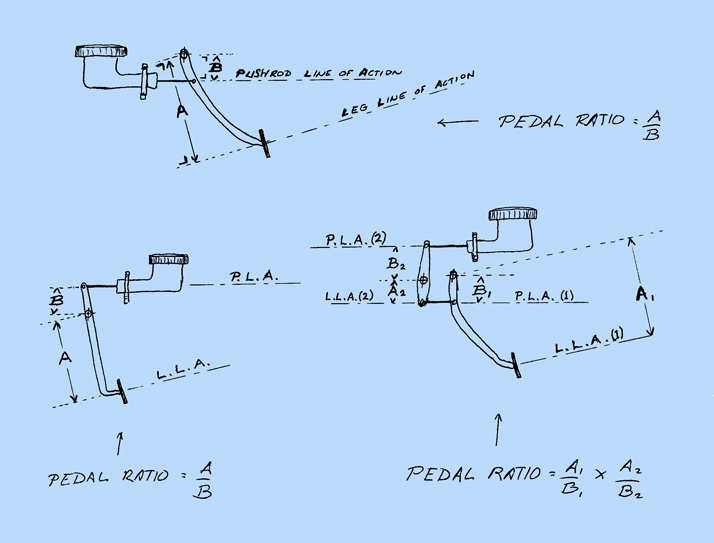
Have you noticed a soft or spongy feel in your brake pedal? This can signal that your brakes need urgent attention. Causes for this sensation can include air in the brake lines or issues with the brake fluid itself. Any alterations in the feel of the brake pedal warrant an immediate professional inspection.
Brake Fluid Level
A low brake fluid level is another red flag indicating that your brakes may need replacement. Brake fluid is vital for your brakes’ proper functioning, and a consistently low level may suggest a leak within the system. If you find yourself frequently topping off the brake fluid, consult a professional.
Brake Dust
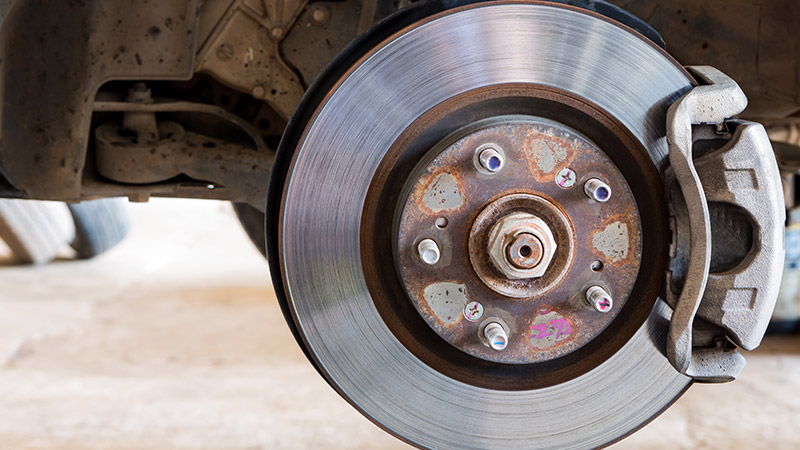
Excessive accumulation of brake dust on your wheels can also indicate deteriorating brake pads. While some brake dust is expected, an unusual amount points to an urgent need for inspection. Don’t ignore these warning signs.
Uneven Wear
Uneven brake wear is another significant indicator that it’s time for an inspection. Various factors, such as a stuck caliper or uneven braking pressure, can cause this issue. If you identify any uneven patterns, seek professional advice.
Vibration and Longer Stopping Distances
If your vehicle experiences vibrations or requires longer distances to come to a halt, it might be time for a brake replacement. These symptoms could stem from warped brake rotors or worn-out brake pads. Promptly having your brakes inspected can prevent further complications.
FAQs
How often should I replace my brake pads?
The lifespan of brake pads varies based on driving habits, but it’s generally advised to replace them every 50,000 miles.
Can I replace my own brakes?
While DIY brake replacement is possible, it’s best left to professionals. Improper installation can be not only dangerous but can also cause additional problems for your vehicle.
How long does it take to replace brakes?
The time required for a brake replacement may vary depending on your vehicle’s make and model. On average, expect around one hour per axle for the process.
How much does it cost to replace brakes?
The cost for brake replacement can fluctuate based on your vehicle’s specifications and the type of brake pads selected. Generally, you can anticipate spending between $100 to $300 per axle.
Can I drive with bad brakes?
Driving with worn or faulty brakes is strongly discouraged due to the inherent dangers involved. If you suspect your brakes are compromised, seek immediate inspection.
Will my brake warning light illuminate when my brakes need to be replaced?
While the brake warning light may illuminate due to brake issues, it does not always signify that replacement is necessary. If you notice any of the previously discussed signs, it’s wise to consult with a professional.
Conclusion
Maintaining your brakes in optimal condition is essential for the safety of you and your passengers on the road. Be attentive to any signals, such as squeaking sounds, uneven wear, or vibrations during braking. Regular professional inspections can ensure that your brakes are functioning as they should. Stay safe while driving and check out our other top articles from this month!
This article was manually reviewed by an editor.
You may also be interested in: Why Regular Brake Maintenance Is Crucial for Your Safety and Your Car’s Performance