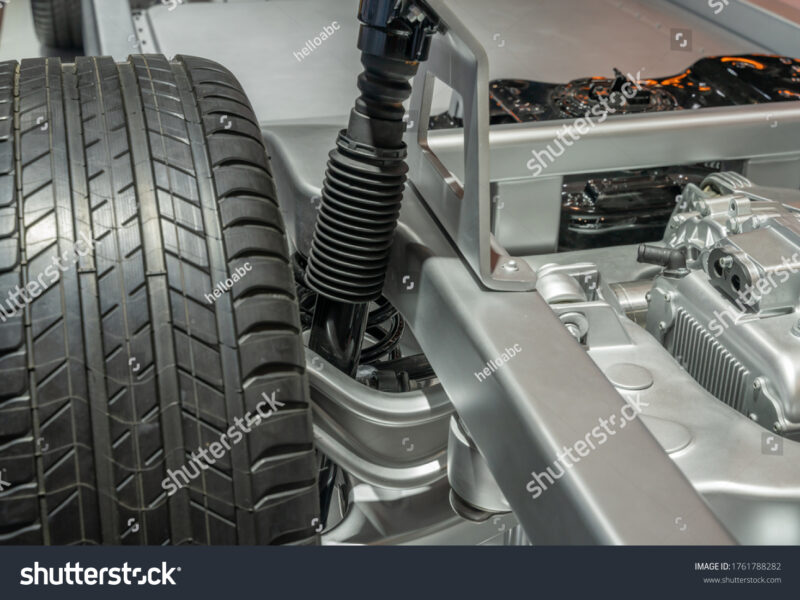
Electric vehicles (EVs) fundamentally require specialized tires, distinct from those designed for internal combustion engine (ICE) vehicles, primarily due to their unique operational characteristics such as significantly increased weight, instant torque delivery, and the imperative for quiet operation and extended range.
What Makes Electric Vehicles Different from Internal Combustion Engine (ICE) Cars?
Electric vehicles introduce a paradigm shift in automotive engineering, marked by several critical distinctions that directly influence tire requirements. Unlike traditional gasoline-powered cars, EVs carry substantial battery packs, contributing to a considerably higher curb weight. Most modern electric cars weigh at least 3,500 pounds, with many models easily exceeding 5,000 pounds. This added mass places an extraordinary demand on tires, requiring them to bear a greater load consistently. For instance, a Tesla Model S weighs approximately 4,941 pounds, significantly heavier than many comparable ICE sedans.
Another defining characteristic of EVs is their immediate torque delivery. When an EV driver presses the accelerator, the electric motor provides instant, full torque from a standstill. This contrasts sharply with ICE vehicles, which typically build torque gradually as the engine revs up. This sudden surge of power puts immense rotational stress on the tires during acceleration, leading to increased scrub and accelerated tread wear, especially during spirited driving. The absence of engine noise also means that tire noise becomes much more pronounced, necessitating specialized designs to maintain cabin comfort. Understanding why EV tires wear out faster reveals these underlying design challenges.
The quiet operation of electric powertrains also shifts the acoustic burden to the tires. With no engine hum to mask road noise, tire hum and vibrations become primary sources of cabin noise. This mandates specialized tire construction that incorporates advanced noise-dampening technologies and materials. Furthermore, EV manufacturers strive for maximum energy efficiency to optimize range, which necessitates tires with exceptionally low rolling resistance. These combined factors mean that a “one-size-fits-all” approach to tires is simply not viable for the electric vehicle segment, driving the need for bespoke rubber compounds and structural designs.
How Does Increased Weight Impact EV Tire Performance and Longevity?
The significant weight of electric vehicles is arguably the most impactful factor contributing to accelerated tire wear. With battery packs pushing the weight of many EVs into the range of 3,500 to over 5,000 pounds, tires are constantly subjected to higher vertical loads. This constant, elevated pressure increases the friction and heat generated between the tire and the road surface, directly leading to faster tread degradation. When an electric vehicle exceeds 4,000 pounds, the incremental stress on the tires becomes notably pronounced, causing a disproportionate increase in wear compared to lighter vehicles.
To counteract this, EV tires are engineered with reinforced sidewalls and unique casing constructions that can withstand the additional stress without compromising handling or safety. These reinforcements prevent excessive flexing and deformation under load, maintaining the tire’s optimal contact patch with the road. Without these structural enhancements, conventional tires on an EV would quickly deform, overheat, and fail prematurely, posing significant safety risks.
The increased load also affects braking performance and cornering stability. Heavier vehicles require more robust braking to stop effectively, transferring significant forces to the tires. Similarly, during cornering, the inertia of a heavier vehicle places greater lateral stress on the tire shoulders. Specialized EV tires are designed with stiffer tread blocks and unique shoulder designs to manage these forces, providing predictable handling and extended longevity under the challenging conditions imposed by EV mass. Choosing the best tires for electric vehicles becomes critical for mitigating these weight-related challenges.
The Role of Instant Torque in Accelerated EV Tire Wear
The instant torque delivery of electric motors is a thrilling characteristic for drivers but a significant challenge for tires. Unlike internal combustion engines that gradually build power, EVs provide maximum torque the moment the accelerator is engaged. This immediate surge of power, especially from a standstill, can cause the tires to scrub and slip more aggressively against the road surface, leading to rapid tread wear. This phenomenon is particularly evident during rapid acceleration or enthusiastic driving, where the tires are subjected to intense shear forces. The truth about electric vehicle rubber highlights this crucial factor.
Conventional tires, not designed to manage such consistent, high-intensity torque, would exhibit significantly accelerated wear patterns on an EV. The tread compounds in standard tires might be too soft or their tread patterns not optimized to grip and propel the vehicle efficiently without excessive friction. This results in a measurable reduction in tread life, forcing earlier tire replacements and increased running costs for EV owners.
To address this, EV-specific tires often feature harder rubber compounds and reinforced tread blocks designed to withstand the immense forces generated by instant torque. These tires also employ optimized tread patterns that distribute the torque more evenly across the contact patch, minimizing localized wear. While exact quantitative data on torque impact varies by vehicle and driving style, the cumulative effect of instant, high torque significantly shortens the lifespan of non-specialized tires, necessitating engineering solutions focused on durability and traction control.
Specialized Tire Compounds and Designs for Electric Vehicles
The engineering behind EV tires involves a sophisticated blend of material science and design innovation to meet the unique demands of electric propulsion. These tires feature advanced chemical compounds in their tread, often incorporating higher silica content and specialized polymers. This composition serves a dual purpose: it enhances grip to manage the instant torque and provides exceptional low rolling resistance, which is critical for extending an EV’s range and efficiency. The goal is to create a tire that is durable enough to handle increased weight and torque, yet efficient enough to minimize energy consumption.
Beyond the chemical makeup, the physical design of EV tires is meticulously optimized. Many feature closed-shoulder designs and specially tuned tread patterns that incorporate noise-absorbing foam or polyurethane layers within the tire carcass. This advanced noise reduction technology is crucial for mitigating tire roar, which becomes much more noticeable in the absence of engine noise. The acoustic properties are engineered to deliver a quieter, more refined driving experience, aligning with the premium feel often associated with electric vehicles. Discover the best electric car tires in 2023, many of which leverage these innovations.
Furthermore, EV tires are often designed with aerodynamic sidewalls to reduce drag and contribute to overall energy efficiency. The structural integrity is also paramount; strong internal construction, including stiffer belts and reinforced plies, ensures the tire can manage the substantial weight of battery packs. These design elements collectively contribute to a tire that not only performs optimally under EV-specific conditions but also provides a safer, more comfortable, and more economical driving experience for electric vehicle owners.
Comparative Analysis: EV Tires vs. Conventional Tires
The distinctions between EV tires and conventional tires extend beyond mere appearance, encompassing fundamental differences in their design, materials, and performance characteristics. Understanding these variances is crucial for appreciating why specialized rubber is not just a luxury, but a necessity for electric vehicles. The table below outlines key comparative aspects, highlighting the unique engineering priorities for each type of tire.
These specialized attributes directly address the challenges posed by EV design, ensuring optimal performance, safety, and efficiency. For example, while a conventional tire might prioritize comfort over extreme durability, an EV tire must deliver both, alongside exceptional energy efficiency and noise reduction.
| Feature | EV Tires | Conventional Tires |
|---|---|---|
| Weight Capacity | High (Reinforced to handle 3,500 – 5,000+ lbs of EV mass) | Standard (Designed for typical ICE vehicle weights) |
| Torque Management | Optimized for instant, high torque delivery; harder compounds to resist scrub | Designed for gradual torque build-up; less resistance to instant shear forces |
| Rolling Resistance | Ultra-low (Critical for maximizing battery range) | Low to moderate (Efficiency is a factor, but less critical than for EV range) |
| Noise Reduction | Integrated foam/acoustic dampening for quiet ride | Standard (Engine noise often masks tire noise) |
| Tread Life (Relative) | Designed for durability despite high wear factors; potentially shorter than ICE if not properly maintained | Generally longer on ICE vehicles due to less demanding operating conditions |
| Compound Materials | High silica content, specialized polymers for grip and efficiency | Varied, often focused on wet grip and comfort |
The comparative table illustrates that every aspect of an EV tire, from its weight capacity to its compound materials, is purpose-built to integrate seamlessly with the electric vehicle’s unique operational demands. This intentional design ensures that EV drivers benefit from optimal safety, performance, and efficiency, directly addressing the intrinsic differences in vehicle dynamics. Selecting the right tire is paramount for capitalizing on these advantages.
Optimizing Tire Longevity and Performance for Your EV
Even with specialized EV tires, proper maintenance and informed choices are essential to maximize their longevity and ensure peak performance. Given the specific demands placed on these tires, regular inspections for wear patterns, tire pressure, and rotations are even more critical than for conventional vehicles. Underinflation, for example, can significantly exacerbate wear due to the increased weight, impacting both range and handling stability.
Selecting the correct EV-specific tires from reputable manufacturers is also paramount. These tires are rigorously tested to meet the unique requirements of electric vehicles, ensuring they can withstand the heavier loads and instant torque while delivering the expected range and quietness. Compromising with non-specialized tires might lead to premature wear, reduced safety, and diminished driving comfort, ultimately costing more in the long run. What you need to know about choosing the best tires for electric vehicles emphasizes these critical aspects.
Driving habits also play a significant role. While the instant torque is exhilarating, aggressive acceleration and hard braking will naturally accelerate tire wear. Adopting a smoother, more deliberate driving style can considerably extend tire life. Additionally, ensuring proper wheel alignment and balancing helps distribute forces evenly across the tire, preventing irregular wear patterns. By combining the right tire choice with diligent maintenance and mindful driving, EV owners can ensure their specialized tires perform optimally throughout their intended lifespan.
Are EV tires more expensive than regular tires?
Yes, EV-specific tires generally tend to be more expensive than their conventional counterparts. This higher cost is attributed to the advanced technologies, specialized materials, and complex engineering required to meet the unique demands of electric vehicles. Manufacturers incorporate reinforced structures for increased weight capacity, harder rubber compounds to resist instant torque wear, intricate tread designs for low rolling resistance to maximize range, and often include noise-dampening foam for a quieter ride. These premium features and rigorous development processes contribute to a higher manufacturing cost, which is reflected in the retail price. However, considering the enhanced performance, safety, and efficiency they offer for EVs, the investment is often justified for optimal vehicle operation.
How often should EV tires be rotated?
Due to the increased weight and instant torque of electric vehicles, EV tires often experience more rapid and uneven wear compared to conventional tires, particularly on the drive wheels. Therefore, a more frequent rotation schedule is generally recommended. Most manufacturers and tire experts advise rotating EV tires every 5,000 to 7,500 miles, or approximately every six months, whichever comes first. Regular rotations help to distribute wear evenly across all four tires, extending their overall lifespan and maintaining consistent handling characteristics. Always consult your vehicle’s owner’s manual or a trusted tire specialist for the most precise recommendation for your specific EV model.
Can I use regular tires on an electric vehicle?
While it is technically possible to mount regular (non-EV-specific) tires on an electric vehicle, it is strongly not recommended for several critical reasons. Conventional tires are not engineered to withstand the unique stressors of an EV, such as its significantly higher weight, the instant and powerful torque delivery, and the need for ultra-low rolling resistance for optimal range. Using regular tires on an EV will likely lead to dramatically accelerated wear, reduced handling performance, decreased energy efficiency (shortening your range), and a noticeable increase in road noise. Crucially, it can also compromise safety, as regular tires may not provide adequate grip or structural integrity under the demanding conditions an EV imposes. For optimal performance, safety, and longevity, always choose tires specifically designed for electric vehicles.
What are the key markings to look for on EV-specific tires?
When selecting tires for your electric vehicle, look for specific markings on the sidewall that indicate their EV compatibility. The most common marking is an “EV” symbol or designation, which explicitly states the tire is designed for electric vehicles. Some manufacturers use proprietary symbols or abbreviations, such as “HL” (High Load) to denote increased weight capacity, or specific branding like “ContiSilent” (Continental) or “Pirelli Noise Cancelling System” (PNCS) to highlight noise reduction technology. Additionally, check the speed and load index ratings to ensure they meet or exceed your vehicle’s specifications. Tires with low rolling resistance (often indicated by specific model names or designations like “Energy Saver”) are also beneficial for maximizing EV range. Always verify these markings to ensure you are installing tires that are optimized for your electric vehicle’s unique requirements.