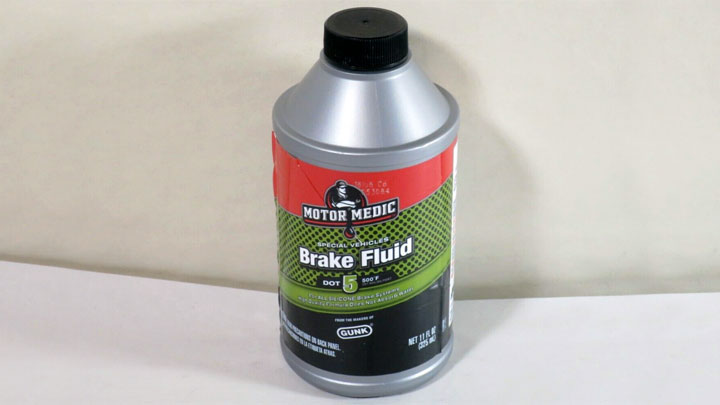
Brake fluid is an essential hydraulic fluid in automotive braking systems, facilitating the transfer of force from the brake pedal to the wheel cylinders, allowing vehicles to decelerate or stop effectively. This fluid’s excellent properties, including incompressibility and a high boiling point, are critical for optimal vehicle performance. However, once used or expired, brake fluid becomes hazardous waste, making its proper disposal crucial to mitigate its
What is Brake Fluid and Why is Its Disposal Crucial?
Brake fluid is a critical component of a vehicle’s hydraulic braking system, designed to remain incompressible to transfer braking force efficiently. The most common formulations, such as DOT 3, DOT 4, and DOT 5.1, are primarily based on glycol ethers, which serve crucial roles in enhancing performance. These fluids are hygroscopic; they readily absorb moisture from the atmosphere, which can diminish their boiling point, thus compromising braking efficiency and raising their flammability risk. Ingesting brake fluid is toxic to humans and animals, and due to its chemical nature, it can absorb heavy metals from the braking system, increasing its hazards.
Due to its hazardous chemical composition and potential to absorb harmful contaminants, used brake fluid is classified as hazardous waste under numerous environmental regulations. Improper disposal poses severe environmental risks: it can contaminate soil, groundwater, and surface water, endangering both wildlife and human health. The United States Environmental Protection Agency (EPA) states that even a minute amount of improperly disposed of brake fluid can contaminate significant volumes of groundwater, illustrating the extensive pollution potential of this substance.
What are the Environmental Risks of Improper Brake Fluid Disposal?
Improper disposal of brake fluid poses substantial environmental risks. Its toxic and corrosive nature can adversely affect aquatic life, disrupt soil microbiology, and infiltrate the food chain. Glycol ethers, a primary component of many brake fluids, are water-soluble and can easily leach into groundwater, contaminating drinking water sources and damaging delicate aquatic ecosystems. The persistence of these chemicals in the environment may result in long-lasting ecological impairment and heightened health risks for humans and animals alike.
What are the Hazardous Components of Brake Fluid?
Brake fluids, particularly DOT 3, 4, and 5.1, are composed of glycol ethers, polyglycols, and borate esters, with small amounts of additives. These chemical compounds are vital for maintaining optimal braking performance but are characterized by significant toxicity and corrosiveness. Even silicone-based DOT 5 fluid, while not glycol-based, necessitates careful disposal due to its chemical properties and environmental implications.
The hygroscopic property of glycol-based brake fluids significantly contributes to their degradation, highlighting the essential need for regular replacement. Water absorption lowers the boiling point, which not only compromises braking safety but can also lead to internal corrosion of brake system components. This degradation accelerates the hazardous nature of used brake fluid as it can corrode metal and contaminate vehicle parts.
| Brake Fluid Type | Primary Composition | Key Environmental/Health Hazard | Boiling Point (Dry) | Boiling Point (Wet) |
|---|---|---|---|---|
| DOT 3 | Glycol ether based | Toxic if ingested, corrosive, contaminates water. | 401°F (205°C) | 275°F (135°C) |
| DOT 4 | Glycol ether and borate ester blend | Toxic, suspected of damaging fertility or the unborn child, may cause organ damage. | 446°F (230°C) | 311°F (155°C) |
| DOT 5.1 | Borate ester with glycol ether blend | Similar hazards to DOT 4, with a higher boiling point. | 500°F (260°C) | 365°F (185°C) |
| DOT 5 | Silicone-based | Hydrophobic (repels water), not compatible with glycol-based systems. | 500°F (260°C) | N/A (Does not absorb water significantly) |
What are Approved Methods for Eco-Friendly Brake Fluid Disposal?
The most responsible and eco-friendly methods for disposing of used brake fluid involve innovative recycling techniques and utilizing designated Household Hazardous Waste (HHW) collection facilities. Used brake fluid is classified as hazardous waste and must never be mixed with other automotive fluids like motor oil or antifreeze, as this complicates treatment and disposal processes.
Recycling typically entails collecting the fluid in clean, leak-proof containers. Segregation of contaminants and water is conducted through sedimentation and filtration. Distillation processes are employed to eliminate water content, and the reclaimed fluid is tested for quality to ensure compliance with safety standards for potential reuse or conversion into alternative fuel components. Specialized recycling centers may even repurpose brake fluid for the creation of alternative fuels or other industrial applications.
How Can DIY Mechanics Responsibly Dispose of Used Brake Fluid?
DIY mechanics must adhere to rigorous protocols for responsible disposal of used brake fluid. The fluid should be collected in a clearly labeled, sealed, and leak-proof container. This container must be transported to a local HHW facility or an automotive service center that accepts such waste. Numerous auto parts stores also provide convenient recycling programs for various automotive fluids, including brake fluid.
For minor spills or small quantities, a temporary home disposal method involves absorbing the fluid with kitty litter or dry soil in a well-ventilated space. The alcohol base allows for gradual evaporation over several days. Once completely dry, the absorbent material can sometimes be disposed of in regular household trash, although it’s always advisable to confirm local regulations beforehand. This method does not substitute for proper HHW disposal for larger volumes of fluid.
What Regulations Govern Brake Fluid Disposal?
Brake fluid disposal is governed by a complex framework of local, state, and federal regulations that can vary significantly by jurisdiction. These laws consistently classify used brake fluid as hazardous waste, explicitly prohibiting disposal into drainage systems, onto the ground, or in regular municipal waste. Non-compliance can lead to substantial fines and legal penalties.
For example, in California, used brake fluid is categorized as hazardous waste and must be managed according to strict guidelines. To ensure compliance, individuals and businesses must consult their local public works departments, environmental protection agencies, or municipal waste management authorities for precise disposal requirements and facility locations within their communities.
What are the Market Trends and Prices for Brake Fluid Disposal?
The global automotive brake fluid market was valued at approximately $3.1 billion in 2024 and is projected to grow to $4.76 billion by 2033, reflecting a Compound Annual Growth Rate (CAGR) of 5.1%. This growth is propelled by increased vehicle production and an escalating demand for specialized fluids in electric vehicles (EVs) featuring regenerative braking systems.
Simultaneously, the automotive oil recycling market, which frequently encompasses similar hazardous fluids, was valued at $44.4 billion in 2023 and is expected to exceed $66.2 billion by 2030, with a CAGR of 5.9%. Key trends within this sector emphasize sustainability, technological advancements in fluid management, and noteworthy growth in emerging markets, particularly in the Asia-Pacific region.
Specific pricing data for brake fluid disposal is not commonly published, as it tends to be incorporated into overarching hazardous waste management fees. However, HHW facilities might charge a nominal fee for drop-off services, typically ranging from a few dollars to a small percentage of the cost of a new fluid purchase. Certain auto parts stores also offer the convenience of free drop-off services for small quantities as part of their community service initiatives.
What Alternatives Exist for Reducing Brake Fluid Environmental Impact?
At present, the primary strategy for mitigating environmental impact related to brake fluid centers on responsible disposal and advanced recycling technologies. Ongoing research into less toxic or more biodegradable brake fluid formulations continues, yet practical alternatives suitable for widespread automotive application remain limited due to stringent safety and performance requirements. Manufacturers primarily recommend DOT-specified fluids to ensure compatibility and efficacy across different vehicles.
Preventative maintenance plays a critical role in minimizing waste associated with brake fluid. Regular inspections of brake fluid levels and timely replacements per manufacturer recommendations can prevent leaks and reduce the overall volume of fluid requiring disposal. Additionally, maintaining other vehicle systems, like air filters and car batteries, contributes to overall vehicle efficiency and minimizes environmental impact. Educating consumers about purchasing only appropriate quantities of brake fluid can also assist in reducing waste generated from expired products.
Frequently Asked Questions About Brake Fluid Disposal
Is brake fluid considered hazardous waste? Yes, brake fluid is classified as hazardous waste due to its toxic and corrosive chemical properties. Specific disposal procedures must be followed to prevent environmental contamination and health risks.
Can I pour used brake fluid down the drain or on the ground? Absolutely not. Pouring used brake fluid down drains, into septic systems, or onto the ground is illegal and harmful, severely contaminating water sources and soil and damaging ecosystems.
Where can I take my used brake fluid for disposal? Used brake fluid should be taken to a designated Household Hazardous Waste (HHW) collection facility, many automotive service centers, or participating auto parts stores that accept automotive fluids for recycling or proper disposal.
How much does it cost to dispose of brake fluid? Disposal costs vary. Some HHW facilities may charge a small fee, while many auto parts stores and service centers offer free drop-off services for small quantities, acting as collection points for hazardous waste recyclers.