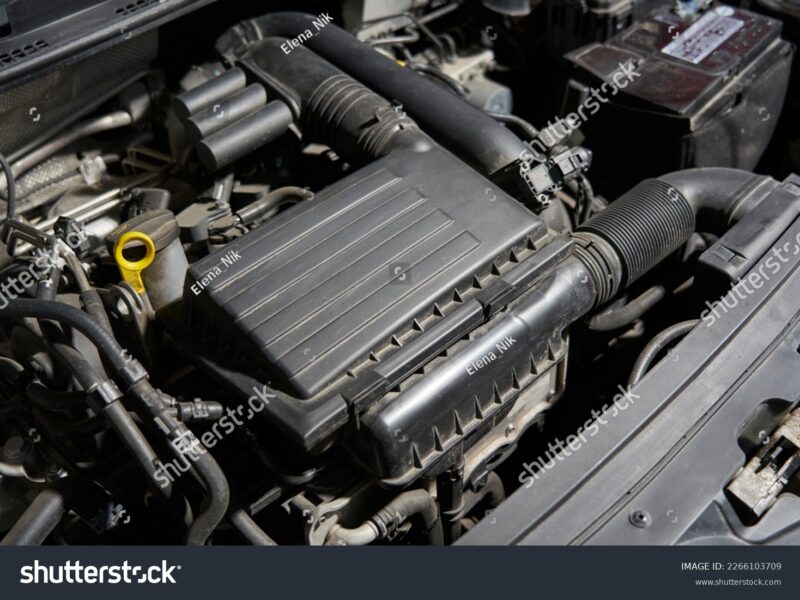
If you’re searching for a comprehensive guide on how to perform a DIY air filter swap, you’ve come to the right place. This crucial maintenance task protects both your engine and the cabin of your vehicle. An efficient engine air filter purifies air for combustion, while a cabin air filter enhances comfort by keeping harmful particles at bay. Undertaking the DIY swap yourself prevents contaminants such as dust, dirt, pollen, and microscopic debris from damaging critical engine components or tainting the passenger compartment. A clean filter not only optimizes engine performance but also enhances fuel efficiency and prolongs engine life by ensuring proper air-fuel mixture and preventing abrasion damage. Additionally, a DIY air filter swap boosts air quality and represents significant savings on shop costs.
Before diving into the process of DIY air filter replacement, adequate preparation is essential for a safe and effective job. Having all your tools and necessary parts ready minimizes interruptions and makes the filter replacement much smoother.
Preparation for Your DIY Car Filter Change
- Identify the Correct Filter: Consult your vehicle’s owner manual or utilize online resources to confirm the exact part number and type of engine air filter and/or cabin air filter needed. Ensuring your replacement filter is compatible with your car’s make, model, and year is vital for a successful DIY air filter swap.
- Gather All Tools: Before commencing your DIY air filter change, ensure that all required screwdrivers, socket wrenches, pliers, or trim removal tools for your specific model are on hand.
- Safety First: Park your vehicle on a flat, stable surface, turn off the engine, and let it cool if you’re working close to it. It’s always advisable to wear gloves while handling air filters and safety glasses when changing the cabin filter.
- Clean and Clear: Have a clean cloth readily available and, if possible, a small vacuum. This will allow you to tidy up the filter housing area before installing the new DIY air filter, preventing dirt from entering the intake or ventilation system.
Essential Tools for an Engine Air Filter DIY Change
The DIY engine air filter change typically requires just a few basic tools, making it a manageable project. These tools are necessary to access the air filter housing, which often utilizes clips, screws, or bolts for securing it. The exact tools required for your air filter swap may vary depending on your vehicle’s make and model, so consulting the owner’s manual is essential for specific instructions.
- Screwdrivers: Flat-head and Phillips screwdrivers are often needed to loosen the fasteners on the air filter housing during your DIY air filter replacement. Some housings may have clips that can be released using a flat-head screwdriver.
- Socket Wrench Set: Depending on your vehicle, a ratchet and socket set (typically 8 mm or 10 mm) may be necessary for the bolts securing the air filter box during a filter swap.
- Pliers: Pliers are useful for removing tough clips or hose clamps that may be present on the air intake duct connected to the housing.
- Clean Rag: A clean rag is essential for wiping dust or debris accumulated inside the air filter housing before installing the new filter, a crucial step in car filter maintenance.
- New Engine Air Filter: The replacement filter must match the correct size and type for your specific vehicle (year, make, model).
Specific Tools Required for a Cabin Air Filter DIY Change
The DIY cabin air filter change is another simple maintenance task that can significantly improve indoor air quality by filtering out allergens and pollutants. Accessing the cabin air filter typically involves removing panels or opening the glove compartment, requiring specific tools for this car filter replacement.
- Screwdrivers: Just like with the engine air filters, flat-head and Phillips screwdrivers are commonly needed to unscrew the screws securing the glove compartment or access panels when performing your cabin air filter swap.
- Trim Removal Tools: Plastic levers or specialized trim removal tools are beneficial for safely dismantling delicate interior panels without causing damage during your DIY air filter change.
- Fine-Tipped Pliers: Some cabin filter compartments may have clips or retaining pins that are difficult to remove by hand; fine-tipped pliers are useful here.
- Vacuum Cleaner: A small vacuum can effectively clean out dust and debris from the cabin filter housing and ventilation system before installing the new filter, an essential part of car filter maintenance.
- New Cabin Air Filter: Ensure your replacement filter is the correct size and type for your vehicle, paying close attention to the airflow direction arrow for proper installation in your DIY air filter swap.
Key Benefits of Performing a DIY Car Filter Change
Opting for the DIY car filter change offers numerous advantages that directly impact your vehicle’s performance and health, as well as your finances. A clean air filter is vital for optimal engine operation and indoor air quality.
- Enhances Engine Performance: An unobstructed air filter allows for a steady flow of air to the engine, crucial for efficient combustion. This translates to better throttle response and consistent power output, a direct benefit of a DIY air filter swap.
- Increases Fuel Efficiency: When the engine doesn’t have to work harder to draw air through a dirty filter, it consumes less fuel. A regular air filter change DIY can improve fuel performance and lower operating costs.
- Prolongs Engine Life: By preventing abrasive particles, dirt, and dust from reaching sensitive internal engine components, a clean filter protects against premature wear and costly damage, a significant advantage of regular car filter maintenance.
- Improves Interior Air Quality: The cabin air filter DIY traps allergens, dust, and contaminants, ensuring a cleaner and healthier environment inside the car, especially important for individuals with allergies or respiratory issues.
- Reduces Emissions: An appropriate air-fuel mixture facilitated by a clean filter contributes to lower exhaust emissions, benefiting the environment.
Comparison of Fasteners for Air Filter Housings
Both engine and cabin air filter housings employ various fastening mechanisms to secure the filter element and housing cover. Understanding these types of fasteners is fundamental for selecting the correct tools and avoiding damage during the extraction and installation of your DIY air filter swap.
| Type of Fastener | Description | Common Tools for Removal | Typical Location |
|---|---|---|---|
| Spring Clips | Metal clips that fit over edges to hold housing components together, common in your DIY air filter change. | Flat screwdriver (for prying), fingers. | Engine air filter housing, sometimes cabin air filter access panels. |
| Screws | Threaded fasteners that require a specific screwdriver head for car filter changes. | Phillips screwdriver, flat screwdriver. | Engine air filter housing, glove compartment, cabin filter access panels. |
| Bolts | Larger threaded fasteners often with hexagonal heads, found in car filter maintenance. | Socket wrench set (like 8 mm, 10 mm). | Engine air filter housing, sometimes more robust cabin filter compartments. |
| Retaining Pins/Tabs | Plastic or metal pins/tabs that secure components, sometimes require squeezing or pulling during the car filter replacement. | Fingers, fine-tipped pliers (for tougher ones), trim removal tools. | Cabin air filter housing, glove compartment. |
| Hose Clamps | Circular clamps securing flexible air intake ducts to the engine air filter housing, vital for sealing in a DIY air filter change. | Screwdriver (for screw clamps), pliers (for spring clamps). | Engine air intake system. |
For a detailed guide on the installation process, refer to Step-by-Step: Your Complete Air Filter Installation Guide, which complements your DIY car filter change.
Frequently Asked Questions about Air Filter Change Tools
What safety precautions should I take when performing a DIY car filter change?
Before starting a DIY air filter swap, ensure the vehicle’s engine is off and cool, and that it is parked on a flat, stable surface with the parking brake engaged. It is advisable to wear gloves to prevent cuts from sharp plastic edges and keep your hands clean. For cabin filter replacements, safety glasses are recommended for secure car filter maintenance.
How can I determine the correct replacement air filter for my vehicle?
The correct replacement air filter is specified in your vehicle’s owner manual, which provides details on the recommended type, size, and part number. Online filter lookup tools can aid by inputting your car’s make, model, and year to provide compatible options for your DIY air filter change. Visually comparing the new filter with the old one ensures the same design and fit.
Are there specialized tools that can simplify the process of car filter replacement?
While basic hand tools are sufficient for most DIY air filter replacements, specialized tools such as a speed wrench and a socket/bit set can expedite the removal and installation of fasteners, particularly in tight spaces. For cabin filters, dedicated trim removal tools prevent damage to interior components during the DIY car filter swap. Some air filter housing bolts are designed with plastic heads for tool-free removal.