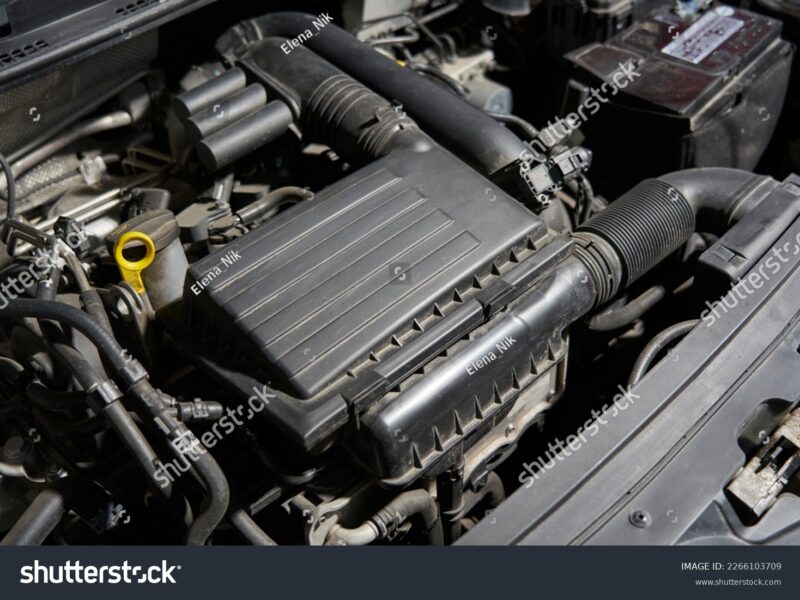
The engine air filter plays a vital role in the health of your vehicle, ensuring that clean air flows into the combustion chamber. This not only prevents dust, dirt, and other harmful contaminants from entering but also guarantees optimal engine performance and fuel efficiency. As winter approaches, the importance of this component becomes even more pronounced, especially given the unique challenges the colder months can bring.
What is the primary function of a car air filter, especially during winter?
At its core, a car’s engine air filter is responsible for supplying clean air vital for efficient combustion. However, winter introduces complexities such as low temperatures and increased moisture, which can hinder this essential process.
The air filter serves as a barrier protecting the engine from abrasive particles that can lead to wear and significantly reduce engine life. A clean air filter is crucial for maintaining the right air-to-fuel ratio, key for effective combustion. In colder temperatures, an efficient filter facilitates easier engine startups and enhances fuel economy. Conversely, a clogged filter forces the engine to exert extra effort, resulting in heightened fuel consumption.
How does cold weather uniquely impact engine air filter performance?
Winter creates specific environmental challenges that considerably affect engine air filter performance. Moisture from snow, slush, and humid air can saturate the filter, reducing airflow and increasing the risk of blockages. Moreover, road salt, gravel, and sand used for winter maintenance are transformed into fine particulates easily drawn into the engine’s intake system, causing the filter to clog more swiftly than during warmer months.
The combination of winter contaminants and regular airborne debris can create a dense layer within the filter, greatly diminishing its ability to permit airflow. This can strain the engine, potentially impacting its startup and operational smoothness in frigid temperatures.
What are the common types of engine air filters and their suitability for winter conditions?
Engine air filters are categorized by their material composition, each offering varying performance advantages in winter conditions. Common types include paper, foam, cotton, and synthetic filters, with each impacting how well an engine manages cold-weather demands and the specific types of debris faced.
Paper filters, which are often factory-installed, are cost-effective and provide adequate filtration by collecting impurities in their pleats. However, they may need more frequent replacement during winter due to quick saturation from moisture and road grime. Foam filters, known for their dust-holding capacity, can last longer than paper but might allow smaller particles to pass. Cotton filters, typically used in aftermarket performance applications, enhance airflow and are generally reusable after cleaning. Nevertheless, they require proper maintenance to retain their efficacy. Some dry synthetic filters are advocated for cold weather, as oiled versions can get clogged with moisture.
| Filter Type | Material Composition | Winter Suitability (Pros) | Winter Suitability (Cons) | Maintenance |
|---|---|---|---|---|
| Paper | Pleated cellulose fiber | Cost-effective, reliable basic filtration. | Saturates quickly with moisture/salt, necessitating frequent replacements. | Disposable, typically replaced. |
| Foam | Porous, interconnected cells | Excellent dust-holding capacity, reusable. | May allow smaller particles through, cleaning can be messy. | Cleanable, often requires special cleaning solutions. |
| Cotton (Oiled) | Multiple layers of oiled cotton fabric | High airflow, reusable, enhanced filtration. | Higher initial costs; requires routine cleaning and re-oiling; oil may clog if maintained poorly in extreme cold. | Regular cleaning and re-oiling required. |
| Synthetic (Dry) | Synthetic fibers (e.g., polyester) | Superior filtration, durable, moisture-resistant. | May be more costly compared to paper. | Generally cleanable; some are disposed of after a period. |
Why is routine inspection of the engine air filter crucial for winter driving safety and efficiency?
Regular inspection of the engine air filter is critical for ensuring winter driving safety and efficiency. A clogged filter can severely hinder engine performance, leading to decreased fuel economy and potential engine damage. When the air filter is dirty, it restricts clean air from reaching the engine, causing it to work harder and use more fuel.
This diminished efficiency can manifest as sluggish acceleration and poor engine responsiveness, which become particularly dangerous in winter, where quick maneuvers could be necessary. Consistent checks help avert buildups that might escalate into more serious problems, such as engine misfires or irregular idling.
What are the tell-tale signs of a clogged engine air filter during colder months?
Several noticeable symptoms can indicate a clogged engine air filter in winter. Drivers may observe reduced acceleration or lackluster performance as the engine struggles to receive adequate clean air. Additionally, declining fuel efficiency can arise as the engine compensates for restricted airflow, leading it to burn more fuel.
Dark gray or black smoke from the exhaust pipe can also signal incomplete combustion due to an imbalanced air-to-fuel mixture. Other warning signs include engine misfires, rough idling, or odd engine noises, such as coughing or popping. If the check engine light illuminates, it may indicate an airflow issue stemming from a clogged filter. A quick visual inspection of the filter will likely reveal a dirty, debris-laden element, confirming that a replacement is needed.
What essential maintenance steps ensure optimal car air filter function in winter?
To maintain optimal car air filter function in winter, several key maintenance steps should be taken. Regular visual inspections should be performed, ideally alongside each oil change during the colder months, looking for dirt, debris, or moisture build-up. If the filter appears dark or clogged, it’s time for a change. The typical recommendation is to replace your engine air filter every 12,000 to 15,000 miles or once a year, but rigorous winter driving conditions may necessitate more frequent changes. Choosing a dry, high-efficiency air filter can be beneficial for cold, wet climates, minimizing moisture-related clogging. For elaborate instructions on replacement, refer to a comprehensive guide, which details the process for various vehicle models. Step-by-Step Guide: How to Change Your Car’s Air Filter Yourself.
Are expensive air filters a worthwhile investment for winter car care?
Investing in premium air filters, particularly those made from advanced synthetic media, can provide significant advantages for winter car care. Such filters offer superior filtration capabilities and enhanced durability, proving more resilient against moisture and effective in trapping fine particles like road salt and sand, which are common in winter.
While standard paper filters may be budget-friendly, their efficiency often falters under harsh winter conditions, leading to more frequent replacements. A quality filter can ensure consistent engine performance, improve fuel economy, and reduce the risk of engine wear, ultimately saving you money on future repairs. Exploring a thorough cost-benefit analysis of various options can offer insights into the long-term value of investing in high-performance air filters. Are Expensive Air Filters Worth the Investment? A Cost-Benefit Analysis of HVAC Filtration.
Frequently Asked Questions (FAQs)
How often should I change my car’s engine air filter in winter? While general recommendations suggest changing your engine air filter every 12,000 to 15,000 miles or annually, winter driving in areas with heavy road salt and dust may require more frequent inspections and replacements. It’s advisable to check the filter with every oil change during colder months.
Can a dirty engine air filter affect my car’s heater or defroster performance? Primarily, a dirty engine air filter impacts the engine’s performance—not directly the car’s heater or defroster. However, a separate component, the cabin air filter, is responsible for filtering air entering the vehicle’s cabin. A clogged cabin air filter can restrict airflow, making the heater less effective and extending window defrosting times.
Is there a difference between an engine air filter and a cabin air filter? Yes, there is a significant difference between the two. The engine air filter cleans the air entering the engine for combustion, protecting vital engine components and optimizing performance. In contrast, the cabin air filter is located inside the vehicle’s interior, filtering the air that passengers breathe and removing pollutants for a healthier in-car environment.