The choice between ceramic and semi-metallic brake pads is a critical decision that profoundly impacts your vehicle’s braking performance, longevity, and overall driving experience. While both types serve the fundamental purpose of halting your vehicle, their specific material composition leads to distinct advantages and disadvantages across various driving conditions. Understanding these nuanced differences is paramount to selecting the optimal brake pads that align precisely with your driving style, vehicle type, and priorities, whether that’s quiet operation, superior stopping power in extreme conditions, or long-term cost-effectiveness. This guide delves into the technical specifications and real-world performance metrics to provide a definitive comparison, ensuring an informed decision for your vehicle’s safety and efficiency.
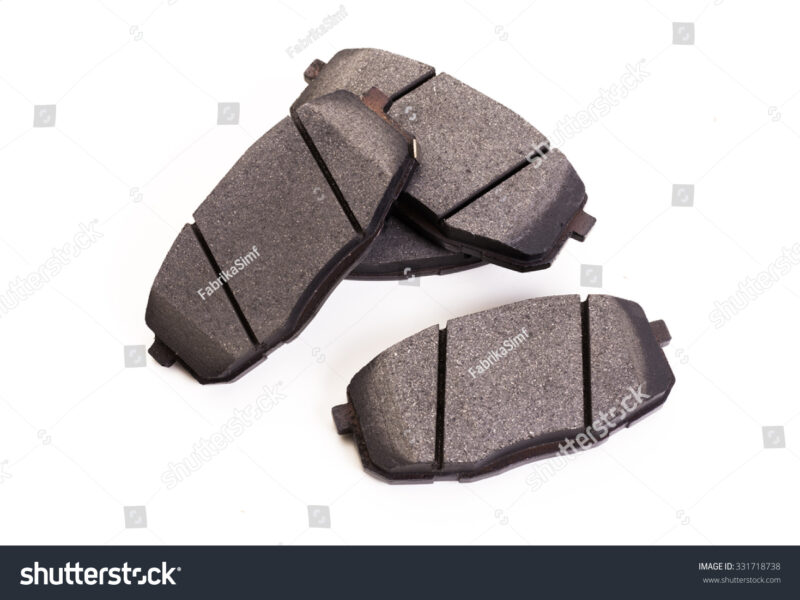
Ceramic brake pads represent a modern advancement in friction material technology, increasingly favored by many drivers for their clean operation and consistent performance. They are precisely engineered from a blend of ceramic fibers, non-ferrous materials, and specialized fillers, creating a durable and exceptionally heat-resistant compound. This unique composition results in significantly less brake dust, often reducing accumulation by 70-90% compared to traditional semi-metallic pads, which translates to cleaner wheels and reduced maintenance. Furthermore, ceramic pads are renowned for a notably quieter braking experience, with their high internal damping properties absorbing vibration energy and shifting resonant frequencies beyond the range of human hearing, typically above 5 kHz. Their ability to maintain a stable coefficient of friction, generally ranging from 0.35 to 0.45, across a wide temperature range—typically from 0°C (32°F) up to 450°C (842°F)—makes them a highly reliable choice for everyday driving and moderate performance applications. For an in-depth look at top-rated ceramic options, explore our guide on the Best Ceramic Brake Pads: Top Choices for Quiet and Dust-Free Braking.
Semi-metallic brake pads, conversely, are constructed with a significant portion of metal fibers, typically ranging from 30% to 70% of the total pad material, including iron, steel, copper, and sometimes brass or graphite, blended with friction modifiers and binding resins. This high metallic composition contributes to their excellent heat transfer capabilities and strong initial bite, providing a more aggressive friction coefficient that can range from 0.40 to 0.55 or higher, making them highly effective in demanding situations like heavy braking or towing. They are designed to withstand and dissipate higher temperatures, operating effectively from approximately -20°C (-4°F) up to 550°C (1022°F), with high-performance formulations capable of handling extreme temperatures well over 700°C (1292°F). However, this metallic content also means they tend to produce considerably more dark, abrasive brake dust that can adhere to wheels, and they can be noisier than their ceramic counterparts, often generating a noticeable squeal or groan, especially in cold or wet conditions. The decision between these two types often boils down to a precise trade-off between peak performance characteristics and refinement. To further explore the nuances of these pad types, consult our detailed comparison on Ceramic vs. Metallic Brake Pads: Which is Right for Your Driving Style?
What are the Core Differences in Material Composition and Performance?
The fundamental divergence between ceramic and semi-metallic brake pads lies precisely in their constituent materials, which directly dictates their performance characteristics. Ceramic brake pads are manufactured using a composite material that primarily includes dense ceramic fibers and fine copper fibers (though copper content is being phased out, with a mandate for reduction to 0.5% by weight by 2025 by the EPA), suspended in a phenolic resin binding agent, along with various non-ferrous fillers. This formulation is meticulously designed to be exceptionally durable and resistant to high temperatures. The ceramic component provides superior heat dissipation in normal operating conditions, acting somewhat like an insulator rather than a conductor, which prevents excessive heat transfer to the brake fluid and calipers. The near absence of iron or steel in their composition means they produce very little dust, and the dust that is generated is typically lighter in color and finer in texture, making it less visible on wheels and easier to clean. Their stable coefficient of friction, typically around 0.35-0.45, provides consistent and predictable braking feel.
In contrast, semi-metallic brake pads incorporate a substantial percentage of metal, often ranging from 30% to 70% by weight, utilizing metals such as iron, steel, copper, and sometimes brass or graphite. This high metal content allows them to aggressively conduct and dissipate heat away from the rotor, which is crucial for preventing overheating during aggressive braking or when carrying heavy loads. The metallic particles also contribute to a more aggressive friction coefficient, providing a strong initial stopping power or “bite,” with values commonly ranging from 0.40 to 0.55. However, this metallic composition means they are significantly more prone to generating dark, abrasive dust that can adhere stubbornly to wheels and brake components, and they tend to be noisier, often producing a grinding or squealing sound, particularly at lower temperatures or during initial brake application. This distinction in material directly translates to their operational profile and suitability for specific driving demands.
The performance implications of these material differences are profound. Ceramic pads offer a quieter and cleaner braking experience, making them ideal for daily commuters and drivers who prioritize a refined ride, particularly in passenger cars and light SUVs. They also tend to have a longer lifespan under normal conditions because the ceramic material wears down more slowly. Semi-metallic pads, while producing more dust and noise, excel in high-performance and heavy-duty scenarios. They can withstand significantly higher temperatures before experiencing fade, making them a popular choice for sports cars, trucks, and vehicles used for towing or frequent heavy braking. This makes them suitable for drivers who demand maximum stopping power and superior fade resistance, and are less concerned with noise and dust output.
The interaction with brake rotors also differs substantially. Ceramic pads are generally gentler on rotors due to their less abrasive nature, contributing to a longer rotor lifespan and reducing the likelihood of rotor warping under normal use. Semi-metallic pads, due to their higher metallic content and more abrasive friction, can be harder on rotors, potentially leading to faster rotor wear and increased susceptibility to scoring or warping, especially under heavy or sustained use. This needs to be precisely considered when calculating the long-term cost of ownership for braking systems. The choice, therefore, involves weighing the immediate benefits of quieter, cleaner operation and extended rotor life against the robust, high-temperature performance and aggressive bite offered by semi-metallic options.
How Do Operating Temperature Range and Fade Resistance Impact Performance?
The temperature at which brake pads operate significantly influences their effectiveness and longevity, and this is where ceramic and semi-metallic pads show marked differences in their thermal envelopes. Ceramic brake pads are engineered to perform consistently across a broad spectrum of moderate temperatures. They offer stable friction characteristics and minimal fade under normal daily driving conditions, typically maintaining their coefficient of friction (0.35-0.45) from ambient temperatures up to approximately 450°C (842°F). This means that whether you are driving in cool weather or during a warm summer day, ceramic pads provide reliable and predictable stopping power. Their design prioritizes heat absorption without rapidly transferring excessive temperatures to the brake fluid and calipers, which is crucial for preventing thermal fade during regular use.
However, while ceramic pads perform admirably in most everyday scenarios, they may not offer the same extreme temperature performance as high-performance semi-metallic pads. Under very heavy, prolonged braking, such as descending a long mountain grade, during track driving, or when towing substantial loads, even ceramic pads can eventually reach their thermal limits. Beyond their optimal range of 450-500°C (842-932°F), some ceramic formulations can experience a reduction in friction, which is known as brake fade, potentially increasing stopping distances by 8-12 meters compared to semi-metallic alternatives at 600°C. This occurs because the ceramic material can soften, leading to a measurable drop in the coefficient of friction, necessitating greater pedal effort to achieve the same deceleration.
Semi-metallic brake pads, due to their high metal content (30-70%), often exhibit superior performance and fade resistance at higher temperatures compared to standard ceramic pads. This makes them a preferred choice for performance vehicles, trucks, and applications where intense, sustained braking is common. They are known for their ability to withstand higher operating temperatures, effectively transferring heat away from the rotor and maintaining their aggressive initial bite. High-performance semi-metallic compounds can often operate effectively at temperatures exceeding 700°C (1292°F) or even up to 800°C (1472°F) in racing applications before experiencing significant fade. This makes them ideal for situations demanding sustained braking power without a loss in performance, such as repeated stops from high speeds or continuous braking under heavy loads. Understanding your typical driving conditions is crucial; for spirited driving, heavy-duty use, or environments with extreme temperatures (like desert heat or mountain passes), the robust fade resistance of semi-metallic pads might be a more critical factor than the quieter operation of ceramic pads.
What are the Specifics of Durability, Longevity, and Wear Indicators?
When considering brake pads, their expected lifespan and the precise indicators for replacement are paramount concerns for vehicle owners. Ceramic brake pads are renowned for their exceptional durability and longevity under typical driving conditions. Their dense composition of ceramic fibers and non-ferrous materials wears down at a much slower and more consistent rate compared to semi-metallic pads. This slower wear translates into a longer service life, often ranging from 60,000 to over 75,000 miles for many quality ceramic pads, although some sources cite ranges from 30,000 to 70,000 miles, with individual driving habits significantly influencing this. This extended lifespan can effectively offset their often higher initial purchase price, leading to lower overall ownership costs over time.
Semi-metallic brake pads, while offering robust performance, generally have a shorter lifespan due to their more abrasive nature and higher wear rate, especially under demanding driving conditions. The metallic components, while highly effective for heat dissipation and aggressive friction, tend to grind away more quickly against the rotor surface. Drivers who frequently engage in aggressive braking, towing, or driving in mountainous terrain will likely find their semi-metallic pads wear out faster, typically lasting between 30,000 to 65,000 kilometers (approximately 18,600 to 40,400 miles) or even as low as 20,000 miles under severe use. This necessitates more frequent inspections and replacements, which can contribute to higher ongoing maintenance costs over the vehicle’s lifespan.
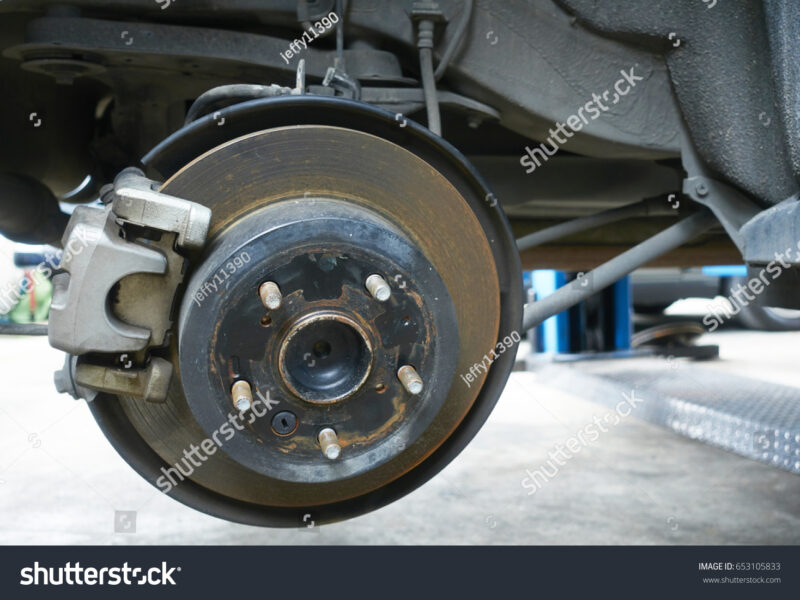
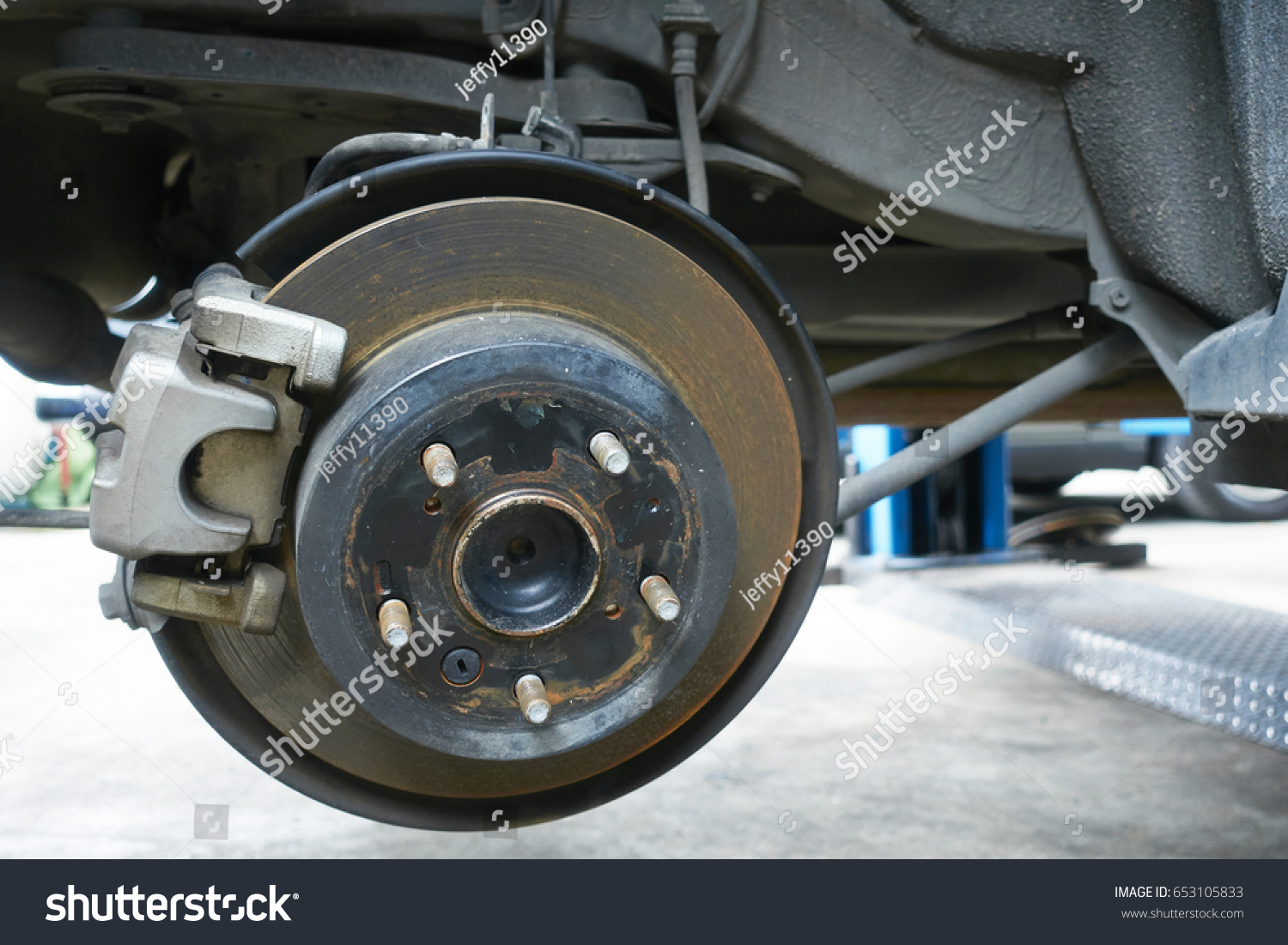
A critical aspect of brake pad replacement is recognizing and understanding wear indicators. Most modern brake pads, whether ceramic or semi-metallic, are equipped with an integrated acoustic wear indicator. This is typically a small metal tab designed to make physical contact with the rotor when the pad’s friction material has worn down to a predetermined minimum thickness, usually around 2-3 mm (approximately 1/8 inch). When this contact occurs, it produces a distinct, high-pitched squealing or squeaking noise when braking, which is a deliberate warning signal. Ignoring this audible alert can lead to the backing plate of the pad directly contacting the rotor, causing severe damage, requiring rotor replacement, and significantly increasing overall repair costs. For comprehensive details on these crucial alerts, refer to our article on the Top Signs Your Brake Pads Need Replacement and 7 Warning Signs You Need New Brake Pads.
Noise and Dust Levels: A Matter of Refinement
One of the most noticeable and frequently discussed differences between ceramic and semi-metallic brake pads is the level of noise and dust they produce, directly influencing vehicle aesthetics and driving comfort. Ceramic brake pads are specifically engineered to minimize both of these factors. Their advanced composition, which includes ceramic fibers and often specific formulations for noise dampening, results in a notably quieter braking experience. This is primarily due to ceramic materials having high internal damping properties, which absorb vibration energy and effectively shift the resonant frequencies of the braking system to an ultrasonic range, typically above 5 kHz, making them inaudible to most human ears. Consequently, drivers experience significantly fewer instances of the high-pitched squealing or grinding noises often associated with other pad types.
Furthermore, ceramic brake pads are renowned for producing substantially less brake dust. The dust that is generated by ceramic pads is typically lighter in color, finer in texture, and less voluminous—often 70-90% less compared to semi-metallic alternatives. This characteristic means that the dust is less noticeable on wheel rims and is considerably easier to clean off, preserving the aesthetic appeal of your vehicle’s wheels. This makes ceramic brake pads a highly desirable option for drivers who prioritize a pristine vehicle appearance and a serene, quiet ride, enhancing the overall comfort and refinement of the driving experience, especially in luxury vehicles or daily commuters.
Semi-metallic brake pads, conversely, are known for producing considerably more brake dust and are generally noisier. The high metal particle content in their composition, particularly iron, wears away more rapidly and abrasively, creating a darker, coarser dust that readily adheres to wheel rims and brake components. This necessitates more frequent and often more vigorous wheel cleaning to maintain a vehicle’s appearance. Moreover, semi-metallic pads are frequently noisier, especially when cold, wet, or under certain braking conditions, such as light pedal pressure. They can produce a noticeable squeal, groan, or even a grinding sound due to the abrasive interaction of metal fibers with the rotor and their lower damping characteristics compared to ceramics. While some premium semi-metallic compounds incorporate specific shims and formulations to reduce noise, they generally cannot match the quiet operation intrinsic to ceramic pads. The trade-off for this increased noise and dust with semi-metallic pads is often enhanced braking performance, particularly in high-heat, high-stress situations. The choice between the two often comes down to individual preference and priorities; if a pristine appearance and silent operation are paramount, ceramic pads are the clear winner, whereas if maximum stopping power and fade resistance under extreme conditions are more important, and a bit of noise and dust can be tolerated, semi-metallic pads might be the better fit.
Comparison Table: Ceramic vs. Semi-Metallic Brake Pads
| Feature | Ceramic Brake Pads | Semi-Metallic Brake Pads |
|---|---|---|
| Material Composition | Ceramic fibers, non-ferrous materials, specialized fillers (e.g., copper fibers, decreasing to 0.5% by 2025) | 30-70% metal fibers (iron, copper, steel, brass), graphite lubricant, friction modifiers, binders |
| Brake Dust Level | Very Low (light-colored, fine, 70-90% less than semi-metallic) | High (dark-colored, abrasive, ferrous, prone to sticking) |
| Noise Level | Very Quiet (high internal damping, frequencies above human hearing ~5 kHz) | Moderate to High (can squeal/groan, especially when cold or wet) |
| Coefficient of Friction (Typical) | 0.35 – 0.45 (stable, consistent) | 0.40 – 0.55+ (aggressive initial bite, higher at extreme temps) |
| Operating Temperature Range (Typical) | 0°C to 450°C (32°F to 842°F) for street; up to 600°C (1112°F) for performance | -20°C to 550°C ( -4°F to 1022°F) for street; up to 700-800°C (1292-1472°F) for racing |
| Braking Distance (General) | Consistent and predictable under normal conditions | Slightly shorter in extreme/performance conditions due to aggressive bite |
| Rotor Wear | Low (gentle on rotors, contributes to longer rotor life) | Moderate to High (can be harder on rotors, faster wear, potential for warping) |
| Lifespan/Durability | Longer (60,000 to >75,000 miles, slower wear rate in typical use) | Shorter (20,000 to 45,000 miles, faster wear rate, especially under heavy use) |
| Cost (Initial Average per Axle) | Often Higher ($50-$150 USD) | Often Lower ($35-$80 USD) |
| Ideal Driving Conditions | Daily commuting, luxury vehicles, moderate performance, prioritizing quiet & clean | Performance driving, towing, heavy loads, extreme conditions, trucks, SUVs |
When to Consider Replacing Your Brake Pads: Critical Warning Signs
Recognizing the definitive signs that your brake pads require replacement is crucial for maintaining your vehicle’s safety integrity and preventing cascading damage to other braking components. Worn brake pads pose a critical safety concern, and ignoring the warning signs can lead to compromised braking performance, potential brake failure, and significantly more costly repairs. Understanding these explicit indicators allows for timely maintenance, ensuring your braking system functions optimally and responsively. For a comprehensive overview of these signs, consult our article on the Top Signs Your Brake Pads Need Replacement and 7 Warning Signs You Need New Brake Pads.
One of the most common and unmistakably audible indicators is a high-pitched squealing or squeaking noise that occurs specifically whenever you apply the brakes. This distinctive sound is generated by a small, integrated metal tab, scientifically known as a wear indicator or “squealer,” which is intentionally designed into most modern brake pads. As the friction material of the brake pad wears down to a critical minimum thickness, typically between 2mm to 3mm (approximately 1/8 inch), this metal tab comes into direct contact with the spinning brake rotor, producing the characteristic, high-frequency squeal, generally in the 300 Hz to 5000 Hz range. This is an urgent, explicit signal that your brake pads have reached a critical level of wear and require immediate inspection and likely replacement. Ignoring this persistent sound can escalate the problem, leading to the metallic backing plate of the pad directly contacting and scoring the rotor, transforming a relatively inexpensive pad replacement into a much more costly repair that includes rotor resurfacing or replacement.
Beyond these audible cues, several physical signs can also definitively indicate the need for replacement. If you notice a significant increase in the distance required to bring your vehicle to a complete stop, or if the brake pedal feels “spongy,” “mushy,” or sinks noticeably closer to the floor when pressed, these could be direct symptoms of severely worn brake pads or underlying hydraulic system issues. A compromised braking system may increase stopping distances by 20-50% in emergency situations, significantly increasing collision risk. Additionally, vibrations or pulsations distinctly felt in the steering wheel or brake pedal during braking often indicate warped rotors, which frequently occur due to excessive heat generated by compromised or excessively worn brake pads. Regular visual inspection of your brake pads during routine tire rotations or oil changes is also highly recommended. If the visible friction material appears to be less than approximately 3mm thick, it is unequivocally time for replacement, as driving with pads below this minimum threshold severely compromises safety and can instigate significant damage to the entire braking system.
Frequently Asked Questions (FAQs)
Are ceramic brake pads always more expensive than semi-metallic?
While ceramic brake pads often carry a higher initial purchase price compared to standard semi-metallic brake pads, this is not always universally true, especially when considering specialized performance variants or promotions. On average, a set of ceramic brake pads might cost 15-30% more than a semi-metallic set, translating to an average price range of $50-$150 USD per axle for ceramics versus $35-$80 USD for semi-metallic pads, depending heavily on the brand, specific vehicle application, and retailer. However, this higher upfront cost can frequently be offset by their demonstrably longer lifespan, often lasting 60,000 to over 75,000 miles compared to 20,000 to 45,000 miles for semi-metallic pads under typical driving conditions. This extended durability, combined with reduced wear on brake rotors due to their less abrasive nature, can lead to lower overall ownership costs and fewer maintenance cycles over the vehicle’s lifespan, making ceramics a cost-effective choice in the long run for many drivers.
Which type of brake pad lasts longer in terms of mileage?
Ceramic brake pads generally offer a significantly longer lifespan in terms of mileage compared to semi-metallic brake pads under typical daily driving conditions. Their advanced composition of dense ceramic fibers and specific binding agents results in a much slower and more consistent wear rate. For instance, many premium ceramic pads are engineered to last between 60,000 to over 75,000 miles, with some drivers reporting even higher mileage depending on driving habits and vehicle type. This durability is a key advantage for everyday commuters and drivers prioritizing extended service intervals. Semi-metallic pads, due to their higher metal content (30-70%) and more aggressive, abrasive friction, tend to wear down faster, especially when subjected to frequent heavy braking, towing, or high-performance driving. Their typical lifespan ranges from 20,000 to 45,000 miles, with performance-oriented semi-metallic pads potentially wearing even faster under track conditions. Therefore, for optimal longevity in standard driving scenarios, ceramic pads are typically the preferred choice.
Do semi-metallic brake pads truly offer better stopping power, and is there a measurable difference in braking distance?
Semi-metallic brake pads are often associated with superior stopping power, particularly in high-performance situations and at higher operating temperatures. Their high metal content (30-70%) provides an aggressive initial bite and excellent heat transfer capabilities, resulting in a higher coefficient of friction (0.40-0.55+) that helps prevent brake fade during intense braking. In controlled testing conditions, and especially in extreme scenarios such as repeated heavy braking from high speeds or during cold starts at 5°C (41°F), semi-metallic pads can indeed offer slightly shorter stopping distances (by 2-4%) compared to ceramic pads due to their superior “cold bite” and resilience to thermal fade. For instance, a vehicle at 100 km/h might stop a few meters shorter with high-performance semi-metallic pads in a critical emergency situation compared to standard ceramics. While ceramic pads offer good to excellent stopping power for everyday driving (coefficient of friction 0.35-0.45) and are known for their consistency, high-performance semi-metallic pads are frequently the choice for track cars, heavy trucks, and vehicles requiring maximum braking force under extreme and sustained conditions. For the average daily driver under moderate conditions, the difference in immediate stopping power between good quality ceramic and semi-metallic pads might be negligible.
What is the typical minimum thickness for brake pads before replacement is critical?
The typical minimum thickness for brake pads requiring replacement is generally considered to be around 2mm to 3mm (approximately 1/8 inch) of friction material remaining. This measurement is absolutely crucial because below this thickness, the braking performance of the vehicle is significantly compromised, leading to reduced stopping power and increased braking distances. Furthermore, driving with pads below this critical minimum thickness substantially increases the risk of the metal backing plate contacting the brake rotor, which can cause severe damage to the rotor, necessitating costly resurfacing or complete replacement. Most modern brake pads, whether ceramic or semi-metallic, incorporate a built-in wear indicator—a small metal tab—that produces a distinctive, high-pitched squealing noise when the pad material wears down to this critical minimum thickness, serving as an explicit audible warning to the driver. Always consult your vehicle’s owner’s manual or a qualified mechanic for the manufacturer’s specific recommended minimum thickness for brake pad replacement, as this can vary slightly by vehicle make and model.
Can ceramic brake pads damage rotors, or are they truly gentler?
Ceramic brake pads are generally considered to be very gentle on brake rotors, often leading to a longer rotor lifespan compared to semi-metallic pads. Their advanced composition, which includes ceramic fibers and non-ferrous materials, is significantly less abrasive than the high metallic content found in semi-metallic pads. This less abrasive nature means they cause substantially less wear and tear on the rotor surface during braking, thereby reducing the likelihood of deep scoring, premature wear, or rotors becoming warped due to excessive friction and localized heat. While any brake pad material can potentially damage a rotor if contaminated by debris, installed improperly, or subjected to extreme and prolonged overheating beyond its design limits, ceramic pads are specifically designed to minimize rotor wear under normal operating conditions. This characteristic makes them an excellent choice for drivers who prioritize extending the life of their entire braking system and reducing long-term maintenance costs associated with rotor replacement.