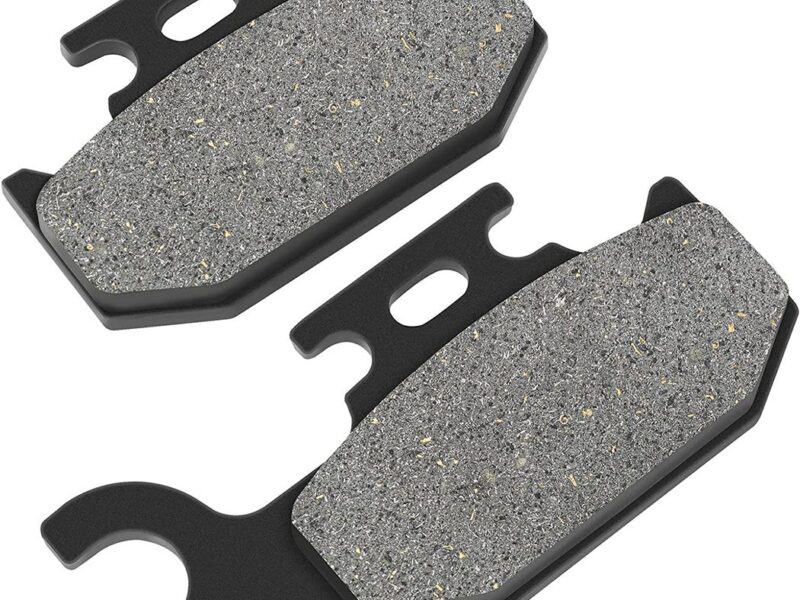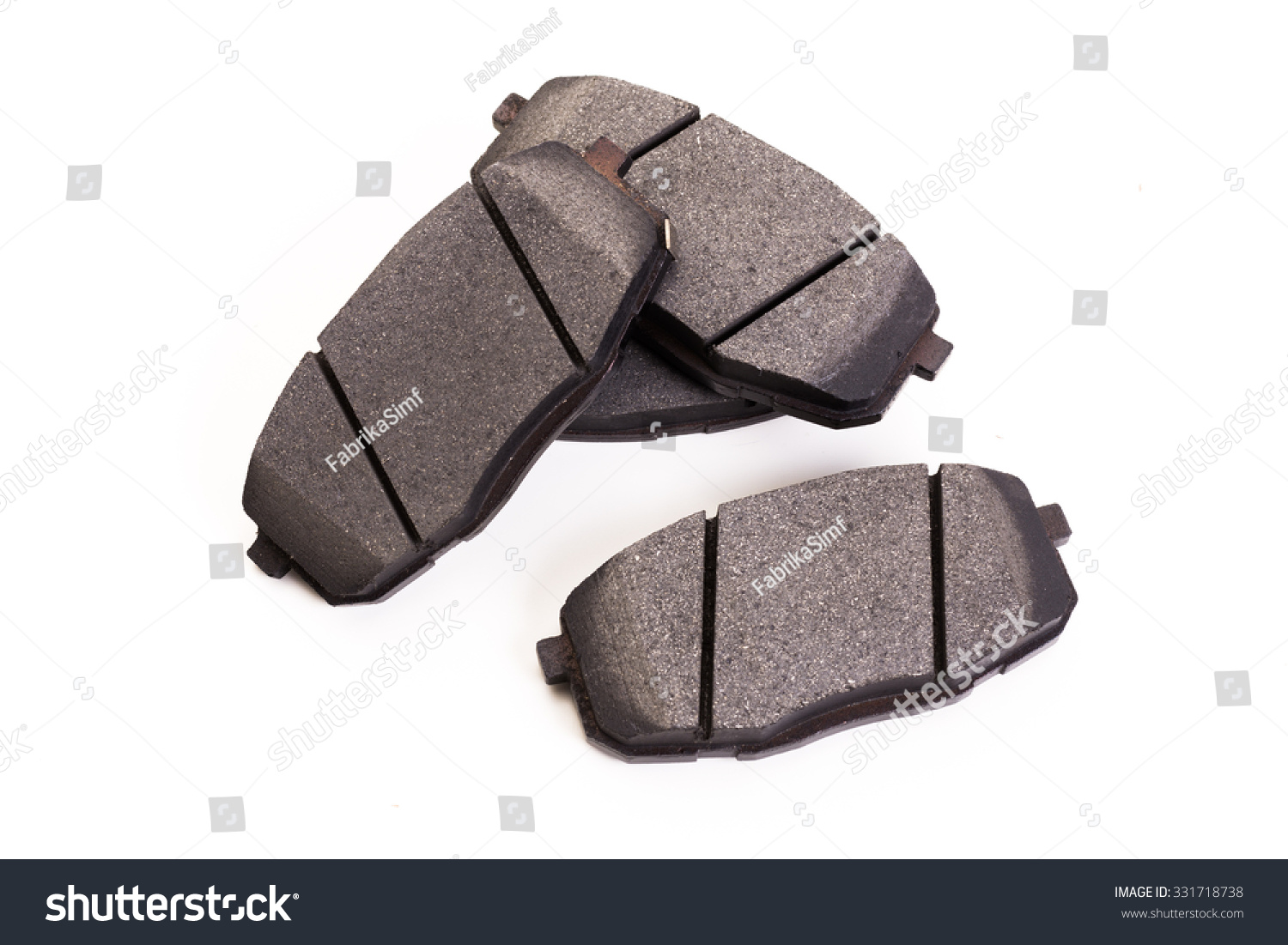
Choosing between ceramic and semi-metallic brake pads is a critical decision that profoundly impacts your vehicle’s braking performance, longevity, noise levels, and overall driving experience. This choice, often overlooked, directly influences safety margins and long-term maintenance costs. While both types serve the fundamental purpose of halting your vehicle by creating friction against brake rotors, their specific material compositions lead to distinct advantages and disadvantages across various driving conditions and vehicle types. Understanding these nuanced differences is paramount for selecting the optimal friction material for your specific vehicle and driving style, ensuring not just compliance with safety standards but also maximizing driving comfort and minimizing operational expenses.
Ceramic brake pads, first developed in the mid-1980s, are engineered from a dense composite material, often resembling pottery but significantly stronger, that includes ceramic fibers, non-ferrous materials, and fillers. Many formulations also incorporate fine copper fibers, which aid in heat conductivity and friction application, although regulatory mandates by the Environmental Protection Agency (EPA) have called for the reduction of copper content to 0.5 percent by weight by 2025. This unique blend results in a braking solution renowned for its quiet operation, significantly reduced dust output, and consistent performance across a wide range of operating temperatures, typically from cold starts up to approximately 700°F (370°C). They are an excellent choice for drivers prioritizing a clean wheel appearance and a comfortable, noise-free ride, commonly found in luxury and everyday passenger vehicles.
Semi-metallic brake pads, on the other hand, are primarily composed of 30% to 70% metal fibers, such as steel, iron, or copper, mixed with other materials like graphite lubricants, friction modifiers, and binding resins. This robust composition typically offers superior stopping power and better heat dissipation compared to organic or ceramic pads, making them a popular choice for high-performance vehicles, trucks, SUVs, and demanding driving conditions such as towing or mountain driving. However, this enhanced performance often comes at the cost of increased noise, more brake dust (which is typically darker and more abrasive), and potentially faster wear on brake rotors.
For the average daily driver, especially those prioritizing comfort and cleanliness, the balance of quiet operation, minimal dust production, and long-term durability often tips the scales in favor of ceramic brake pads. They provide reliable stopping power for typical urban and highway driving conditions without the drawbacks of audible noise, which can register above 70 dB for semi-metallic pads, and constant cleaning associated with semi-metallic options. When considering an upgrade or replacement, understanding these fundamental differences, including the influence of vehicle type and driving habits, is essential for guiding you toward the optimal choice for your vehicle and specific operational demands. This comprehensive analysis will delve deeper into each type, providing verifiable data to inform your decision.
What Defines Ceramic Brake Pads for Modern Driving Applications?
Ceramic brake pads are meticulously engineered using a sophisticated blend of ceramic materials, non-ferrous metals, and binding agents, frequently enhanced with fine copper fibers, though copper content is being phased out for environmental reasons, with a mandated reduction to 0.5% by weight by 2025. This advanced composition is the secret behind their signature quiet operation, often below 60 dB, and exceptionally low dust production, which is typically 60-70% less than semi-metallic alternatives. Unlike older pad technologies that often relied on harsher abrasive wear, ceramic formulations are designed for adherent wear, forming a thin transfer layer on the rotor surface, which minimizes abrasive particles that can mar wheel finishes and require frequent cleaning.
Their inherent properties allow ceramic pads to maintain remarkably consistent friction levels across a broad spectrum of operating temperatures, typically from approximately -40°F (-40°C) up to 700°F (370°C), with some high-quality formulations performing reliably up to 1,200°F (650°C). This wide operational window ensures predictable stopping power whether a vehicle is subjected to cold starts on a frigid morning or cruising at highway speeds during a warm afternoon. For instance, in controlled tests, quality ceramic pads can show less than 15% fade at 350°C (662°F), with effectiveness returning to 98% within two low-temperature cycles, signifying robust thermal stability. This stability ensures a linear friction progression, typically within a 0.35-0.45 coefficient of friction (µ) range, providing a smooth and controlled braking feel suitable for everyday driving.
The key advantage for daily drivers lies not only in the superior comfort and cleanliness ceramic pads provide but also in their longevity and rotor compatibility. They often outlast semi-metallic options, with an average lifespan ranging from 50,000 to 75,000 miles or even more, with some advanced ceramic pads lasting over 100,000 kilometers (approximately 62,000 miles) in 2025 test data. Furthermore, their less abrasive nature results in minimal wear on brake rotors, often extending rotor life significantly—allowing for 2 to 3 pad cycles per rotor set, which translates to fewer replacements and substantial long-term cost savings. For drivers seeking peace of mind and a refined driving experience, exploring the best ceramic brake pads available on the market is a worthwhile endeavor to enhance vehicle aesthetics and reduce maintenance frequency.
How Do Semi-Metallic Brake Pads Perform in Everyday Scenarios?
Semi-metallic brake pads are characterized by a robust composition, typically including 30% to 70% metal fibers such as iron, steel, copper, brass, and bronze, blended with graphite, other friction modifiers, and binding resins. This high metallic content is engineered to offer superior high-friction coefficients, often targeting the higher end of the SAE J866 “FF” range (0.35-0.45) or entering the “GG” range (0.45-0.55), and excellent thermal conductivity, which is critical for heat transfer away from the rotor. As a result, semi-metallic pads generally provide a strong initial bite and consistent stopping power, particularly under more demanding conditions such as aggressive braking, high speeds, or when carrying heavy loads or towing.
However, for the typical daily commute, the advantages of semi-metallic pads are often accompanied by notable drawbacks. The metallic composition contributes to a more noticeable braking noise, frequently described as a squeal or groan, especially during light braking, cold starts, or in damp conditions, with noise levels potentially spiking above 70 dB. Furthermore, these pads tend to generate considerably more brake dust—which is typically darker, grittier, and more abrasive due to its ferrous (iron-based) content—adhering aggressively to wheel surfaces and requiring more frequent cleaning. This can reduce wheel cleanliness by 30-50% compared to ceramic pads.
The excellent heat dissipation properties of semi-metallic pads, while beneficial for extreme conditions where temperatures can exceed 930°F (500°C), can also be a double-edged sword for daily driving. While they are less prone to thermal fade in high-stress situations, they can transfer more heat directly to other braking system components like brake fluid and calipers, potentially leading to accelerated wear on brake rotors. Their lifespan is also highly variable, typically ranging from 30,000 to 70,000 miles, but often on the lower end, around 50,000 to 60,000 miles for regular use, especially with aggressive driving habits or frequent stop-and-go traffic. Despite these considerations, for drivers who prioritize raw stopping power and consistent performance under high thermal loads, such as those with performance vehicles or heavy-duty trucks, semi-metallic pads remain a viable option, albeit one that requires a greater tolerance for noise and increased cleaning efforts.
Direct Comparison: Ceramic vs. Semi-Metallic Brake Pads – A Technical Overview
The fundamental distinction between ceramic and semi-metallic brake pads resides in their material composition, which directly dictates their tribological properties and overall performance characteristics. Ceramic pads, comprised of dense ceramic materials, non-ferrous elements, and sometimes minimal copper fibers (decreasing due to regulation), are designed for a quiet, clean, and consistent braking experience. Their primary benefits are significantly reduced noise output (often below 60 dB), minimal light-colored dust production (up to 70% less than semi-metallic), longer pad lifespan (50,000-75,000+ miles), and reduced wear on brake rotors. They are ideal for passenger vehicles and luxury cars where comfort, aesthetics, and long-term durability are prioritized, delivering stable friction performance (typically 0.35-0.45 µ) across a broad temperature range of -40°F to 700°F (-40°C to 370°C).
Conversely, semi-metallic pads, formulated with a substantial proportion of metal fibers (30-70% steel, iron, copper), alongside graphite and other additives, are engineered for maximum stopping power and superior heat dissipation, making them excel in high-performance and heavy-duty applications. These pads maintain stable friction at much higher temperatures, often exceeding 930°F (500°C), making them suitable for vehicles that undergo intense braking, towing, or aggressive driving, where a higher friction coefficient (often 0.38-0.55 µ or higher, corresponding to FF or GG SAE J866 ratings) is crucial. However, this performance comes at the cost of increased noise (potentially above 70 dB), substantial dark, abrasive brake dust, and a tendency to accelerate wear on brake rotors due to their harder, more abrasive composition.
When determining the best brake pad for your vehicle, it is essential to weigh these trade-offs against your specific driving environment and vehicle demands. If your priority is a quiet, clean vehicle, extended component life, and reliable stopping for everyday commuting, ceramic pads are generally the superior choice. However, if your driving involves aggressive maneuvers, frequent heavy loads (e.g., a truck towing a trailer), or you prioritize maximum stopping power under extreme thermal stress above all else, then semi-metallic pads might be preferable, despite the associated noise and dust. Understanding these underlying mechanics and material science helps in making an informed decision, much like discerning the differences between ceramic vs. metallic brake pads or brake pads and brake shoes. Always ensure compatibility with your vehicle’s braking system, as improper pad installation or material choice can lead to reduced performance and increased wear.
For a clear comparative analysis, the following table details key performance metrics and characteristics:
| Feature | Ceramic Brake Pads | Semi-Metallic Brake Pads |
|---|---|---|
| Composition | Dense ceramic fibers, non-ferrous materials, fillers (e.g., copper fibers, decreasing due to EPA 0.5% copper limit by 2025) | 30-70% metal fibers (steel, iron, copper), graphite, friction modifiers, binding resins |
| Noise Level (Typical dB) | Very quiet (<60 dB, sound waves outside human hearing range) | Moderate to loud (>70 dB possible, squealing/groaning) |
| Dust Production | Very low, light-colored, fine dust (60-70% less than semi-metallic) | High, dark, abrasive, ferrous dust (prone to sticking to wheels) |
| Stopping Power | Excellent for daily driving, consistent friction (0.35-0.45 µ) | Superior, especially under high load/temperature (0.38-0.55 µ, FF/GG rated) |
| Operating Temperature Range | Consistent from -40°F (-40°C) up to 700°F (370°C); some up to 1200°F (650°C) | Stable from 122°F (50°C) up to 930°F (500°C) or higher (race pads 1450°F/800°C) |
| Rotor Wear | Minimal, gentler on rotors, promotes longer rotor lifespan (0.8:1 pad:rotor wear ratio) | Moderate to high, more abrasive, can shorten rotor lifespan (1.2:1 pad:rotor wear ratio) |
| Pad Lifespan | Long (typically 50,000 – 75,000 miles; some exceed 100,000 km) | Moderate to long (typically 30,000 – 70,000 miles, often 50,000-60,000 miles) |
| Cost (per axle, parts only) | Generally higher initial cost ($50-$100) | Generally lower initial cost ($30-$70) |
| Best For | Daily commuting, luxury vehicles, quiet and clean operation, extended component life | Performance driving, towing, heavy-duty use, off-roading, high thermal loads |
What Temperature Range Do Ceramic Brake Pads Excel In?
Ceramic brake pads are formulated to perform exceptionally well across a wide spectrum of operating temperatures, which is a significant advantage for the variability encountered in daily driving. While specific temperature ratings can vary between manufacturers and specific product lines, high-quality ceramic pads generally maintain consistent friction characteristics from cold starts, even at -40°F (-40°C), up to approximately 700°F (370°C). This broad operational window ensures reliable stopping power whether you’re starting your commute on a chilly morning or cruising on the highway during a warm afternoon, without significant degradation in performance. Some advanced ceramic formulations can even tolerate temperatures up to 1,200°F (650°C) before exhibiting notable fade.
The “wide temperature spectrum” characteristic of ceramic pads means they are less prone to performance degradation due to typical heat buildup encountered during normal driving cycles, including stop-and-go traffic. Their unique composition allows for effective heat management, maintaining their integrity and friction coefficients more reliably than some organic or entry-level metallic compounds. For instance, in rigorous testing scenarios, premium ceramic compounds can exhibit as little as 8-15% fade at sustained temperatures of 350°C (662°F), with a rapid recovery of effectiveness once temperatures normalize, providing consistent and predictable braking.
While ceramic pads offer excellent performance within this typical range, it’s important to differentiate their capabilities from pads designed for extreme high-temperature applications. Prolonged track racing, where rotor temperatures can exceed 1200°F (650°C) consistently, may push ceramic pads beyond their optimal limits, leading to increased wear or reduced friction effectiveness if not specifically designed for such use. For such demanding scenarios, specialized high-performance metallic or carbon-ceramic pads are usually required. However, for the vast majority of daily driving, spirited highway cruising, or navigating dense urban traffic, ceramic pads provide more than sufficient thermal stability and predictable performance, making them a preferred choice for their fade resistance under normal conditions.
What Is the Typical Lifespan of Semi-Metallic Brake Pads?
The lifespan of semi-metallic brake pads is highly variable, significantly influenced by critical factors such as driving style, vehicle weight, and prevailing environmental conditions. While a broad general range is often cited between 30,000 and 70,000 miles, most drivers can typically expect semi-metallic pads to last approximately 50,000 to 60,000 miles under average conditions. This wide range underscores the diverse ways vehicles are operated and the inherent properties of their metal-rich compounds. Drivers who frequently engage in aggressive braking maneuvers, routinely carry heavy loads, tow trailers, or commute extensively in stop-and-go city traffic will likely experience a shorter pad life, sometimes as low as 25,000 miles.
The robust, metal-rich composition of semi-metallic pads, while contributing to their strong stopping power and superior heat dissipation, also means they tend to abrade more quickly than ceramic alternatives. The friction material wears down at a faster rate, necessitating earlier replacement. This accelerated wear is a direct consequence of their more abrasive nature, which also contributes to increased wear on brake rotors, potentially requiring rotor resurfacing or replacement sooner than with ceramic pads. For instance, semi-metallic pads typically have a pad-to-rotor wear ratio of 1.2:1, meaning they are harder on rotors compared to ceramic pads’ 0.8:1 ratio.
To maximize the lifespan of semi-metallic brake pads, adopting smoother, more anticipatory braking habits is essential. Avoiding sudden, harsh stops whenever possible, allowing the vehicle to coast to a stop from a greater distance, and ensuring proper brake system maintenance (including caliper function and fluid integrity) can all contribute significantly to extending their service life. Regular inspections by a qualified mechanic, ideally every 12,000 miles or annually, are crucial for accurately determining the actual remaining life of any brake pad and identifying potential issues before they escalate. Understanding these influencing factors will help drivers anticipate replacement needs and maintain optimal braking performance and safety.
What Are the SAE J866 Friction Codes and Their Significance for Brake Pad Selection?
The SAE J866 standard provides a globally recognized classification system for brake lining friction, which is critical for evaluating a brake pad’s performance at different temperatures. This standard assigns a two-letter code, often stamped directly on the brake pad’s backing plate, where the first letter represents the friction performance at low temperatures (typically 200°F to 400°F or 93°C to 204°C) and the second letter indicates performance at higher temperatures (300°F to 650°F or 149°C to 343°C). Each letter corresponds to a specific range of friction coefficients (µ), with higher letters indicating a stronger friction potential. For example, an ‘E’ rating signifies a friction coefficient between 0.25-0.35, while an ‘H’ rating denotes a much more aggressive 0.55-0.65.
The significance of these codes for brake pad selection is profound, as they offer a standardized benchmark for comparing brake pad performance independent of marketing claims. For optimal and predictable braking, many manufacturers and automotive experts recommend selecting pads where both letters in the SAE J866 code are the same (e.g., “FF” or “GG”), indicating consistent friction across both cold and hot operating conditions. An “FF” rating (0.35-0.45 µ) is often considered the global standard for passenger vehicles, offering a balanced performance between stopping power, noise/vibration/harshness (NVH) control, and rotor longevity. More aggressive “GG” ratings (0.45-0.55 µ) are typically found in high-performance applications or vehicles requiring more assertive braking, such as those designed for European Autobahn driving conditions.
For consumers and distributors, understanding SAE J866 ratings is crucial for ensuring product quality and application suitability. Selecting a pad with an inappropriate friction code for a vehicle’s original equipment (OE) specifications can lead to undesirable braking characteristics, including reduced stopping power, excessive noise, or premature wear. Moreover, according to ECE R90 regulations (for European markets), a certified brake pad’s friction coefficient must not deviate more than ±0.10 from its declared value, providing an additional layer of assurance regarding performance consistency. Always verifying these codes, even if challenging to locate on some aftermarket pads, is a vital step in making an informed and safety-conscious decision about brake pad replacement.
FAQs: Deep Dive into Ceramic vs. Semi-Metallic Brake Pads
What is the primary difference in material composition between ceramic and semi-metallic brake pads?
The primary difference in material composition between ceramic and semi-metallic brake pads is fundamentally in their core friction compounds. Ceramic brake pads are predominantly manufactured from a dense blend of ceramic fibers, non-ferrous materials, and various fillers, which historically included fine copper fibers for enhanced performance. However, due to impending environmental regulations, the copper content in ceramic pads is being phased out, with a mandated reduction to 0.5% by weight by 2025. This formulation is specifically designed to produce minimal dust, operate quietly (often below 60 dB), and provide consistent friction across a wide temperature range, typically up to 700°F (370°C).
In contrast, semi-metallic brake pads contain a significantly higher proportion of metallic materials, typically ranging from 30% to 70% by weight. This metallic content includes robust elements such as steel, iron, and copper, combined with graphite lubricants and other friction modifiers. This composition is engineered to maximize thermal conductivity and friction stability, especially under high thermal loads, allowing them to perform effectively at much higher temperatures, often exceeding 930°F (500°C). However, the trade-off for this enhanced performance is generally increased noise (potentially above 70 dB) and the production of more abrasive, dark, ferrous brake dust.
Which type of brake pad offers superior noise reduction and produces less brake dust?
Ceramic brake pads are unequivocally superior in both noise reduction and minimizing brake dust production. Their advanced material composition, which relies on dense ceramic compounds, is engineered to generate sound waves outside the human hearing range, making them virtually silent during normal braking operation, with noise levels often below 60 dB. This inherent design effectively dampens vibrations that are a common cause of squealing and groaning in metallic pads.
Furthermore, ceramic pads produce substantially less brake dust, typically reducing output by 60-70% compared to semi-metallic alternatives. The dust generated is also lighter in color and finer in texture, making it far less noticeable on wheels and less corrosive to wheel finishes, thereby preserving the aesthetic appeal of the vehicle with minimal cleaning effort. Semi-metallic pads, due to their metallic components, generate significantly more dust, which is darker, grittier, and tends to adhere aggressively to wheels, often requiring frequent and more intensive cleaning.
Can semi-metallic brake pads be used effectively for daily driving, and what are the trade-offs?
Yes, semi-metallic brake pads can certainly be used for daily driving and are a common original equipment (OE) choice for many vehicles, including trucks and SUVs, due to their robust stopping power and cost-effectiveness. They excel in providing a strong initial bite and consistent performance, particularly beneficial in varied driving conditions or for vehicles that occasionally carry heavy loads. Their ability to dissipate heat efficiently makes them reliable in situations requiring more aggressive or sustained braking.
However, using semi-metallic pads for daily commuting comes with specific trade-offs that drivers should consider. These typically include higher noise levels, which can manifest as squeals or groans, especially during light braking or when cold, with measured noise spikes potentially exceeding 70 dB. They also generate a considerable amount of dark, abrasive brake dust that frequently coats wheels and can be challenging to clean. Moreover, while durable, their more abrasive nature can lead to increased wear on brake rotors over time, potentially necessitating more frequent rotor replacements or resurfacing compared to ceramic pads. For drivers prioritizing maximum stopping power and thermal stability over quiet operation and wheel cleanliness, semi-metallic pads remain a functional choice.
What are the typical operating temperature ranges for ceramic brake pads and how do they impact performance?
Ceramic brake pads are designed to operate optimally across a broad temperature spectrum, typically from extremely cold conditions, as low as -40°F (-40°C), up to approximately 700°F (370°C) for standard applications. Some high-performance ceramic formulations can even maintain consistent friction and structural integrity at temperatures approaching 1,200°F (650°C). This wide operational range ensures that ceramic pads deliver reliable and consistent stopping power in diverse daily driving scenarios, whether in frigid winter conditions or hot summer climates, without exhibiting significant brake fade.
The consistent performance within this range is a key advantage of ceramic pads. Their material composition allows them to maintain a stable friction coefficient (typically 0.35-0.45 µ, often rated “FF” under SAE J866) as temperatures fluctuate during normal driving, such as city stop-and-go traffic or highway cruising. This stability prevents the “spongy pedal” feel or increased stopping distances that can occur with pads that are less thermally stable. While specialized metallic or carbon-ceramic pads are necessary for sustained, extreme high-temperature applications like track racing (where temperatures can far exceed 1200°F/650°C), for the vast majority of daily driving and even spirited street use, ceramic pads provide more than adequate thermal resistance and predictable performance, contributing significantly to driver confidence and safety.
How does driving style specifically affect the lifespan of semi-metallic brake pads compared to ceramic pads?
Driving style has a profound and measurable impact on the lifespan of both semi-metallic and ceramic brake pads, though the extent differs significantly between the two. For semi-metallic pads, an aggressive driving style characterized by frequent hard braking, rapid accelerations, and prolonged periods in stop-and-go city traffic will drastically shorten their lifespan. The high metallic content in these pads, while providing strong initial bite, is also more abrasive, leading to a faster wear rate when subjected to intense friction and heat cycles. Drivers with such habits might see their semi-metallic pads wear out closer to the lower end of their typical 30,000 to 70,000-mile range, potentially requiring replacement at 25,000 to 30,000 miles. This aggressive wear also contributes to increased abrasion on brake rotors.
Conversely, while aggressive driving will also reduce the lifespan of ceramic pads, they are inherently more resistant to wear under such conditions compared to semi-metallics. Ceramic pads, known for their adherent wear mechanism and superior thermal stability up to 700°F (370°C), tend to dissipate heat more evenly and abrade less aggressively. In fact, 2025 test data indicates that ceramic pads can last over 100,000 kilometers (approximately 62,000 miles) and show a 23% longer lifespan in stop-and-go traffic compared to semi-metallic pads. Therefore, while no brake pad is immune to wear from harsh driving, ceramic pads offer superior durability and resistance to wear under varying driving styles, making them a more forgiving option for drivers who might not always employ the gentlest braking techniques, while also being gentler on rotors.
Internal Links
- Best Ceramic Brake Pads: Top Choices for Quiet and Dust-Free Braking
- Brake Pads vs. Brake Shoes: Which is Better for Your Car?
- Ceramic vs. Metallic Brake Pads: Which is Right for Your Driving Style?
- Ceramic vs. Semi-Metallic Brake Pads: Which Is Best for Your Vehicle?