Recognizing the signs of a dirty cabin air filter is crucial for maintaining optimal air quality and HVAC system performance within your vehicle. A clogged filter can lead to a cascade of issues, impacting your comfort and even your health. Overlooking these indicators can result in a degraded driving experience and potentially costly repairs to your vehicle’s climate control system. This comprehensive guide will walk you through the most common, quantifiable symptoms of a compromised cabin air filter, detailing the underlying mechanisms and providing a clear, step-by-step process for its replacement, ensuring your vehicle remains a sanctuary of clean air.
What are the Primary Dirty Cabin Air Filter Symptoms to Monitor?
Identifying the precise symptoms of a dirty cabin air filter is the first step toward effective maintenance. While many drivers might attribute poor air quality or reduced climate control performance to more severe issues, the cabin air filter is often the primary culprit. These symptoms are typically progressive, worsening as the filter accumulates more particulate matter, such as dust, pollen, soot, and even tiny insects. Understanding each distinct indicator can help you diagnose the problem accurately and prevent further complications.
A cabin air filter serves as the vehicle’s respiratory system, screening the air entering the passenger compartment. When this crucial component becomes saturated, its ability to effectively filter pollutants and allow adequate airflow is severely hampered. This degradation not only impacts the immediate comfort and air quality but also puts undue strain on the entire Heating, Ventilation, and Air Conditioning (HVAC) system, potentially leading to long-term mechanical issues. Monitoring for these specific symptoms can save you both discomfort and potential expenses.
Reduced Airflow from Vents: A Critical First Indicator
One of the most immediate and noticeable indicators of a dirty cabin air filter is a significant decrease in the volume of air coming from your vehicle’s vents. When the filter becomes overloaded with dust, pollen, and other airborne debris, it obstructs the passage of air, similar to how a clogged vacuum cleaner bag reduces suction. This restriction forces your car’s ventilation system, specifically the blower motor, to work harder, resulting in a weaker and less effective flow of air, even when the fan is set to its highest setting. For instance, drivers in a Toyota Camry might observe their AC struggling to push cool air efficiently on a hot 90°F summer day, a clear sign of impaired airflow.
This diminished airflow directly impacts the efficiency of your heating and cooling systems. If you find yourself constantly turning up the fan speed to feel any significant temperature change—perhaps increasing it by 2-3 settings beyond your usual preference—it’s a strong sign that your cabin air filter is likely the culprit. Over time, this constant overexertion can strain the blower motor, potentially leading to premature wear and tear or even failure, a repair that can cost significantly more than a filter replacement. Reduced airflow also drastically affects defogging and defrosting capabilities, making it harder for the system to clear condensation from your windows, which can compromise visibility and safety, especially during adverse weather conditions like heavy rain or early morning fog. You can explore more warning signs in our article on 4 Warning Signs of a Dirty Cabin Air Filter and How to Replace It.
The impact is not just on comfort; it can also affect defogging and defrosting capabilities. A weak airflow makes it harder for the system to clear condensation from your windows, potentially compromising visibility and safety, especially during adverse weather conditions. In essence, the cabin air filter acts as the lungs of your car’s interior climate control. A dirty filter means those lungs are struggling to breathe, leading to reduced performance across the board. This is often the first and most tangible symptom noticed by vehicle owners, signaling that immediate attention is required to restore proper ventilation and maintain the health of the HVAC system.
Persistent Unpleasant Odors Inside the Cabin: Beyond Basic Filtration
Beyond restricted airflow, a prominent dirty cabin air filter symptom is the prevalence of persistent, unpleasant odors emanating from the vehicle’s air vents. As the cabin air filter accumulates moisture, dust, leaves, and other organic matter, it can become a breeding ground for mold, mildew, and bacteria. These microorganisms thrive in dark, damp conditions within the HVAC system, particularly on the evaporator coil and the filter media itself, producing a distinct musty, stale, or even chemical smell that circulates throughout the cabin every time the fan is engaged.
This issue is particularly pronounced after periods of high humidity or rain, or if the vehicle has been parked for an extended duration, allowing microbial growth to flourish. Drivers might notice a strong, unpleasant smell immediately upon starting the car and turning on the AC or heater, which may slightly dissipate over time but often lingers persistently. For individuals with allergies, asthma, or other respiratory sensitivities, these airborne contaminants and their associated odors can exacerbate symptoms, leading to sneezing, itchy eyes, sinus congestion, or even headaches during drives. Some activated carbon filters are designed to mitigate these odors, but even they will eventually saturate and cease to be effective if not replaced regularly.
The presence of such odors is not merely a nuisance; it indicates a compromised cabin environment and potential health risks for occupants. The filter, originally designed to prevent these very contaminants from entering, becomes a source of pollution. Replacing a heavily soiled filter can dramatically improve interior air freshness, eliminating these pervasive smells and restoring a healthier breathing environment. This symptom often prompts drivers to seek professional service or perform a DIY replacement due to the noticeable decline in cabin air quality.
Diminished Air Conditioning and Heating Efficiency: An Energy Drain
A severely dirty cabin air filter significantly compromises the efficiency of your vehicle’s entire HVAC system, directly impacting both its cooling and heating capabilities. When airflow is restricted by a clogged filter, the air conditioning system’s compressor and the heater core must work considerably harder to achieve and maintain desired cabin temperatures. For example, on a hot summer day, your AC system might struggle to reduce the interior temperature by even a few degrees below the ambient outside temperature, or it might take an excessively long time—10 to 15 minutes instead of the usual 2-3 minutes—to cool the cabin. This inefficiency is a clear indicator that the system is operating under strain.
This increased workload translates into several negative consequences. Firstly, it leads to higher fuel consumption, as the engine expends more energy to power an overtaxed AC compressor, potentially reducing your vehicle’s fuel economy by a measurable percentage, such as 5-10% in extreme cases. Secondly, the constant overexertion can accelerate wear and tear on critical HVAC components, including the blower motor and the compressor itself, leading to premature failure and expensive repair bills that could range from $300 to over $1,000 for a compressor replacement. Lastly, reduced airflow across the evaporator coil, a component responsible for cooling and dehumidifying air, can cause moisture to accumulate excessively, potentially leading to ice formation on the coil. This “freezing up” further impedes airflow and can damage the system over time. You can learn more about how a clean filter enhances cooling by reading Does a New Cabin Air Filter Improve AC Performance?.
Consequently, the vehicle’s interior may never reach the set temperature, leaving occupants uncomfortable regardless of the fan speed or temperature dial setting. The HVAC system becomes less responsive, struggling to provide consistent temperature control. This loss of efficiency is not just an inconvenience; it represents a tangible drain on your vehicle’s resources and a risk to the longevity of its intricate climate control components. Regular replacement of the cabin air filter is a cost-effective preventative measure against these more significant and expensive issues.
Visible Debris Accumulation on Vents and Surfaces: A Clear Visual Cue
A highly saturated or degraded cabin air filter can eventually allow particulate matter to bypass its filtration media and enter the vehicle’s cabin directly. One of the most unambiguous dirty cabin air filter symptoms is the visible accumulation of dust, leaves, pollen, or other fine debris on the dashboard, center console, and other interior surfaces, particularly around the air vents. If you observe a fine layer of dust coating your vehicle’s interior shortly after a thorough cleaning, it’s a strong visual indicator that your filter is no longer performing its function effectively.
This phenomenon occurs when the filter media becomes so clogged that air struggles to pass through, finding alternative, unfiltered pathways, or when the sheer volume of trapped debris begins to dislodge and get pushed into the cabin by the force of the blower motor. Drivers in environments with high pollen counts, frequent exposure to dusty roads, or those who park under trees often experience this symptom more rapidly. The debris can range from fine dust particles and pet dander to larger fragments of leaves and insects that the filter was initially designed to capture and contain.
The presence of visible debris is not merely an aesthetic issue; it signifies a direct compromise in the air quality you and your passengers are breathing. These particles can contain allergens, mold spores, and other irritants that can exacerbate respiratory conditions. Furthermore, this debris can find its way into sensitive electronic components and crevices within the dashboard, potentially causing long-term issues beyond simple cleaning. Regular visual inspection of your filter can quickly confirm this symptom, highlighting the immediate need for replacement to restore a clean and healthy cabin environment.
Increased Noise from the HVAC Blower Motor: A Sign of Strain
When a cabin air filter becomes excessively dirty and restricts airflow, the HVAC system’s blower motor is forced to work significantly harder to draw air through the impeded filter media. This increased workload often manifests as a noticeable change in the operational sound of the blower motor. Drivers may begin to hear unusual noises, such as a distinct whining, whistling, groaning, or rattling sound, particularly when the fan speed is set to higher levels. These sounds are often a direct result of the motor struggling against the resistance of the clogged filter, running at higher RPMs than necessary to compensate for the reduced air volume.
In some cases, the noise can also stem from debris that has managed to bypass a severely degraded filter and accumulate on the blower motor fan blades itself, causing an imbalance or direct obstruction. This buildup not only generates noise but also creates additional strain on the motor’s bearings and internal components, accelerating wear and tear. What might start as a subtle hum could escalate into a loud, persistent noise, indicative of a blower motor nearing its operational limits. Neglecting this symptom can lead to premature failure of the blower motor, a component whose replacement cost typically ranges from $200 to $600, significantly more than a new cabin air filter.
Monitoring the sound of your HVAC system can provide critical insights into the health of your cabin air filter. A quiet, smooth-running blower motor is characteristic of an unobstructed airflow pathway. Conversely, any unusual or exaggerated noise, especially at moderate to high fan settings, should prompt an immediate inspection of the cabin air filter. Addressing this symptom promptly with a filter replacement can prevent the need for more extensive and costly repairs to the entire HVAC system, preserving both its functionality and your vehicle’s quiet interior.
When Should You Replace Your Cabin Air Filter? Manufacturer Recommendations and Environmental Factors
Maintaining a clean cabin air filter is not merely about reacting to adverse symptoms; it’s about proactive maintenance guided by manufacturer specifications and real-world driving conditions. Most automotive experts and manufacturers recommend replacing the cabin air filter every 15,000 to 30,000 miles, or at least once annually. For example, popular models like the Honda Civic and Toyota Camry often have recommendations in the 15,000-mile or 12-month range. However, this general guideline serves as a baseline, and specific vehicle owner’s manuals should always be consulted for precise intervals tailored to a particular make and model.
Environmental factors and driving habits play a crucial role in determining the actual lifespan of your cabin air filter. Vehicles frequently operated in dusty environments, such as unpaved roads or construction zones, or those exposed to high levels of pollen during spring and summer seasons, will accumulate debris much faster, potentially requiring replacement every 6,000 to 8,000 miles or bi-annually. Similarly, driving in heavily polluted urban areas with high concentrations of exhaust fumes and smog can accelerate filter clogging. Owners who regularly transport pets, smoke in their vehicles, or drive with windows down frequently may also find their filters require more frequent attention due to increased exposure to airborne contaminants and pet dander.
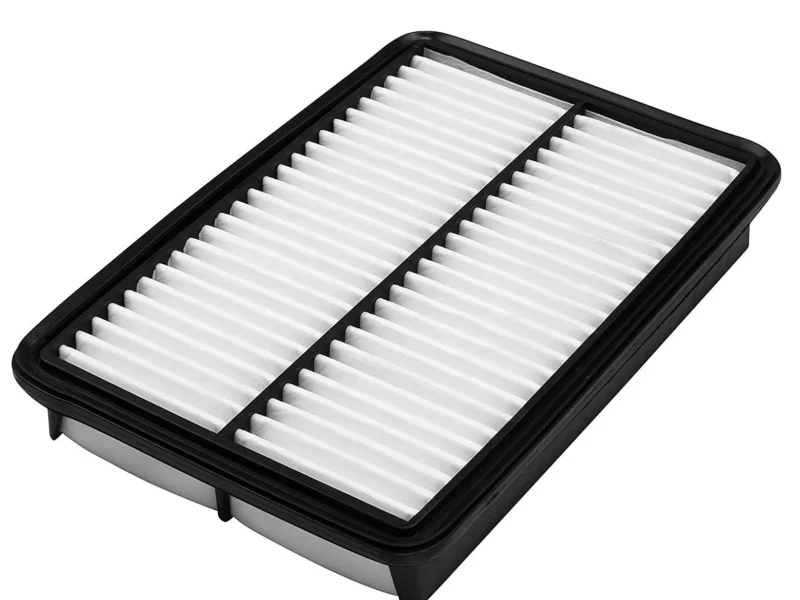
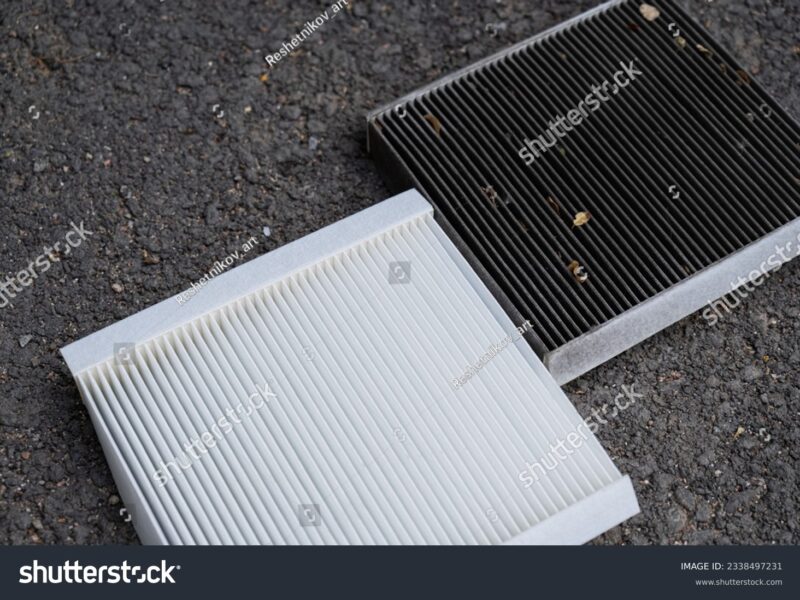
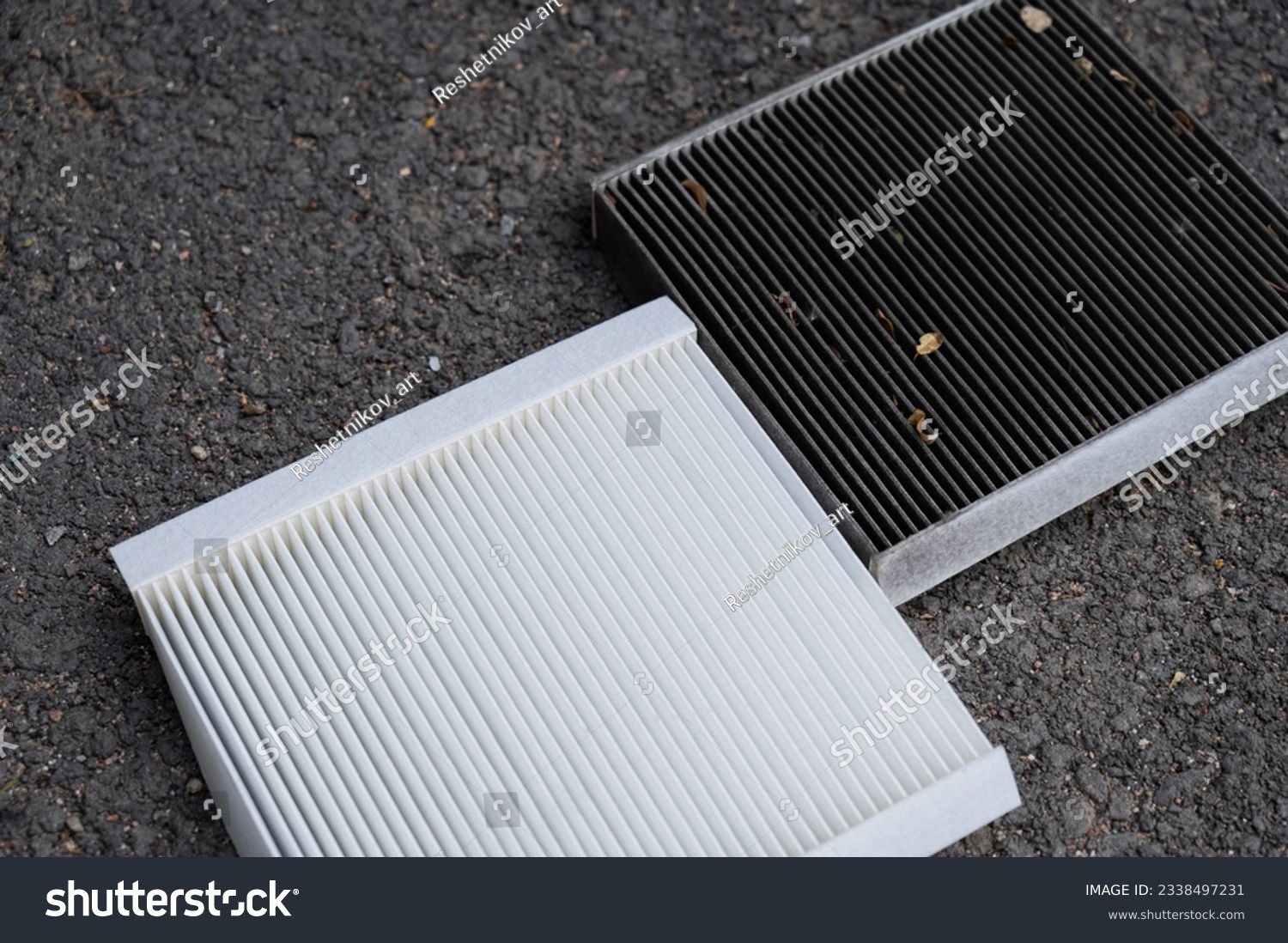
Regular visual inspection of the cabin air filter, ideally every 6 months or during routine oil changes, is a highly recommended practice to assess its condition independently of mileage benchmarks. A clean filter typically appears white or off-white, with clearly defined pleats. As it accumulates dirt, it will gradually darken to gray or black, and its pleats may appear visibly clogged with leaves, insects, and particulate matter. If light barely passes through the filter media, it is undoubtedly time for a replacement, irrespective of the mileage accumulated since the last change. Proactive replacement prevents the onset of severe dirty cabin air filter symptoms and ensures consistent performance of your HVAC system.
How Does a Dirty Cabin Air Filter Affect Your Health and Vehicle Components?
The implications of neglecting a dirty cabin air filter extend far beyond mere discomfort, impacting both the health of vehicle occupants and the longevity of crucial automotive components. From a health perspective, a clogged filter becomes ineffective at trapping airborne pollutants such as dust, pollen, mold spores, pet dander, and industrial contaminants like soot and smog. Instead of purifying the incoming air, it can actively recirculate these irritants or even become a breeding ground for bacteria and fungi, pushing them directly into the cabin.
For individuals with allergies, asthma, or other respiratory conditions, this compromised air quality can significantly exacerbate symptoms, leading to increased sneezing, persistent coughing, itchy eyes, nasal congestion, and even more severe respiratory distress during commutes. Studies indicate that the air inside a vehicle can become up to five times more polluted than the air outside without proper filtration, making the cabin a significant source of exposure to harmful particles, including PM2.5, which are fine particulate matter linked to various health issues. Furthermore, reduced air quality can lead to symptoms like headaches or dizziness, particularly on longer trips.
Mechanically, a dirty cabin air filter places substantial strain on your vehicle’s HVAC system. The blower motor, responsible for moving air through the system, must work considerably harder to push air through a restricted filter, leading to premature wear on its bearings and potentially reducing its lifespan by 20-30%. This increased load can also affect the blower motor resistor or control module, making them susceptible to overheating and failure. Additionally, restricted airflow across the evaporator coil can hinder proper moisture removal, potentially leading to condensation buildup, mold growth within the ductwork, and even the “freezing up” of the coil, which can result in costly repairs to the AC system. Neglecting this simple component can thus cascade into a series of expensive and inconvenient vehicle problems.
Step-by-Step Guide to Replacing Your Cabin Air Filter: A DIY Approach
Replacing a cabin air filter is often one of the most straightforward DIY maintenance tasks for vehicle owners, typically taking between 10 to 30 minutes, depending on the vehicle’s make and model. While professional replacement at a dealership can cost between $86 and $114 on average, with labor accounting for roughly half the bill, performing it yourself can save you substantially, with the filter itself usually costing $15 to $50.
Required Tools and Materials:
- New cabin air filter (ensure it matches your vehicle’s make, model, and year, noting the airflow direction arrow).
- Vehicle owner’s manual (for specific filter location and instructions).
- Basic screwdriver set (Phillips and flathead, though many models require no tools).
- Optional: Gloves (to protect hands from dirt), small plastic trim removal tool, flashlight, small vacuum cleaner or microfiber cloth for cleaning the housing.
General Step-by-Step Procedure:
- Locate the Cabin Air Filter: The most common location for a cabin air filter is behind the glove box, which may require detaching or lowering it. Other possible locations include under the dashboard on the passenger side, or occasionally under the hood near the cowl (windshield base). Consult your owner’s manual for the precise location and access method for your specific vehicle.
- Access the Filter Housing:
- Behind the Glove Box: Open the glove box. In many vehicles, you’ll need to press in on the sides of the glove box to release retainer clips, or remove a small damper arm on the right side. This allows the glove box to swing down fully, revealing the filter housing cover. Some models may have screws (e.g., Phillips head) that need to be removed to detach the glove box.
- Under the Dashboard/Hood: If located elsewhere, access might involve removing a plastic panel or a few clips.
- Remove the Filter Housing Cover: The filter housing typically has a cover secured by clips or small latches. Release these clips carefully and remove the cover. Note any “UP” or airflow direction indicators on the cover or the housing itself.
- Extract the Old Filter: Gently slide out the old cabin air filter. Be prepared for a potentially very dirty filter, often filled with leaves, insects, dust, and other debris. Wear gloves to avoid contact with accumulated contaminants. Note the orientation of the filter, specifically the airflow direction arrow, before removal. This arrow usually points towards the rear of the vehicle or downwards.
- Clean the Housing (Optional but Recommended): Use a small vacuum or a microfiber cloth to clean any loose debris or dust within the filter housing before installing the new filter. This prevents immediate contamination of the new filter.
- Install the New Filter: Carefully insert the new cabin air filter into the housing, ensuring the airflow direction arrow points in the correct orientation (typically towards the passenger compartment or downwards). Misinstalling the filter can compromise its effectiveness. Ensure it seats properly without bending or crushing the pleats.
- Reassemble: Replace the filter housing cover and secure any clips or latches. Reinstall the glove box or any panels removed, ensuring all screws and clips are back in place. Test the HVAC system at various fan speeds to confirm proper airflow and operation.
By following these steps, you can effectively replace your cabin air filter, restoring optimal air quality and HVAC performance in your vehicle. For more detailed instructions specific to your vehicle, consider consulting online video tutorials or your vehicle’s service manual. For a broader understanding of filter maintenance, review our article on Warning Signs of a Bad Cabin Air Filter and When to Replace It.
Comparative Analysis: Cabin Air Filter Types and Replacement Intervals
The market offers various types of cabin air filters, each designed to provide different levels of filtration and address specific environmental concerns. Understanding these distinctions is crucial for selecting the most appropriate filter for your driving conditions and personal health needs. The Minimum Efficiency Reporting Value (MERV) rating, although primarily used for home HVAC filters, can conceptually apply to high-efficiency automotive filters, with higher ratings indicating better filtration of smaller particles. Most automotive cabin filters range effectively between MERV 8 and MERV 13 in terms of particulate capture.
| Filter Type | Primary Benefit | Typical Cost Range (Part Only) | Recommended Replacement Interval |
|---|---|---|---|
| Standard Particulate Filter | Blocks dust, pollen, leaves, and larger debris (e.g., >5 microns). | $10 – $20 | 15,000 – 30,000 miles or Annually |
| Activated Carbon (Charcoal) Filter | Adds odor neutralization and filters some harmful gases (e.g., exhaust fumes, smog, nitrogen oxides). | $20 – $40 | 12,000 – 25,000 miles or Annually (more frequent in polluted areas) |
| HEPA-Type (High-Efficiency Particulate Air) Filter | Superior filtration of ultra-fine particles (e.g., 0.3 microns, including bacteria, mold spores, fine dust, smoke). | $30 – $70+ | 10,000 – 20,000 miles or Bi-annually (especially for allergy sufferers) |
| Electrostatic Filter | Utilizes an electrostatically charged media to attract and capture fine particles, including smoke and brake dust. | $25 – $50 | 15,000 – 30,000 miles or Annually |
Standard particulate filters are the most common and economical choice, made from fibrous materials like paper or synthetic fibers designed to trap larger particles. Activated carbon filters enhance this basic filtration by incorporating a layer of activated charcoal, which chemically absorbs gaseous pollutants and unpleasant odors, making them ideal for urban drivers or those sensitive to smells. HEPA-type filters, often considered “Premium” options, provide the highest level of filtration, capturing 99.97% of airborne particles as small as 0.3 microns, including allergens, mold spores, and even some viruses, offering significant benefits for allergy sufferers or individuals in areas with poor air quality. Some HEPA filters may slightly restrict airflow compared to standard filters, so it’s important to choose one appropriate for your vehicle’s HVAC system.
Frequently Asked Questions About Dirty Cabin Air Filter Symptoms
Can a Dirty Cabin Air Filter Affect Engine Performance?
No, a dirty cabin air filter does not directly affect your vehicle’s engine performance. This is a common misconception, as many drivers confuse the cabin air filter with the engine air filter. The engine air filter is specifically designed to clean the air entering the engine for combustion, impacting aspects like fuel efficiency and horsepower. If the engine air filter is clogged, it will indeed lead to decreased engine performance and potentially higher fuel consumption.
In contrast, the cabin air filter’s sole purpose is to filter the air that circulates within the passenger compartment through the HVAC system. While a severely clogged cabin air filter can strain the HVAC blower motor and potentially lead to its premature failure, it has no direct mechanical or airflow connection to the engine’s combustion process. Therefore, you will not experience symptoms like reduced horsepower or a check engine light due to a dirty cabin air filter. The impact of a dirty cabin filter is confined to the vehicle’s interior environment and the components of the heating and cooling system.
How Often Should I Visually Inspect My Cabin Air Filter?
While manufacturers provide mileage and time-based recommendations for cabin air filter replacement, visual inspection offers a crucial, real-time assessment of its condition, particularly given varying driving environments. It is highly recommended to visually inspect your cabin air filter at least once every 6 months, or during every oil change service. This proactive approach allows you to assess the actual accumulation of debris, regardless of whether your vehicle has reached the typical 15,000 to 30,000-mile replacement interval or the annual timeframe.
During inspection, a clean cabin air filter should appear white or a light shade of off-white, with its pleats clearly defined and free from significant blockage. A filter that requires replacement will typically show visible signs of discoloration, turning gray or black, and may be visibly clogged with a substantial amount of dust, leaves, insects, pollen, and other environmental particulates. If you notice that light struggles to pass through the filter media, or if the pleats are heavily compressed and saturated with debris, it signifies that the filter’s filtration capacity has been severely compromised, warranting immediate replacement to restore optimal cabin air quality and HVAC efficiency.
Are All Cabin Air Filters the Same for Every Vehicle?
No, cabin air filters are not universally interchangeable across all vehicle makes and models. Each vehicle is designed with a specific filter housing that accommodates a filter of a particular dimension, shape, and pleat count. Attempting to install an incorrectly sized filter can lead to improper fitment, allowing unfiltered air to bypass the media, or even damaging the filter housing itself. This is why it is critical to consult your vehicle’s owner’s manual or use an automotive parts finder (often available at auto parts stores or online retailers) that specifies filters by year, make, and model to ensure proper fitment.
Beyond physical dimensions, cabin air filters also vary in their construction and filtration capabilities, as outlined in the comparative table above. You can choose from standard particulate filters, activated carbon filters for odor control, or high-efficiency HEPA-type filters for superior allergen and fine particle capture. While Original Equipment Manufacturer (OEM) filters guarantee factory-spec fitment and performance, numerous reputable aftermarket brands offer equivalent or even enhanced filtration options. When purchasing a replacement, always verify the product’s compatibility with your specific vehicle to ensure effective filtration and prevent installation issues.
What is the Cost of Replacing a Cabin Air Filter Professionally vs. DIY?
The cost of replacing a cabin air filter can vary significantly depending on whether you choose to perform the task yourself or have it done by a professional service center. If you opt for a professional replacement at an independent repair shop or a dealership, the national average cost typically ranges from $60 to $130. According to RepairPal’s cost estimator, the average is around $86 to $114, with labor charges often accounting for approximately $45 to $68 of the total bill, while the filter part itself costs between $43 and $48. Dealerships might charge slightly more, particularly for luxury vehicles, with labor rates ranging from $100 to $180 per hour.
Conversely, replacing the cabin air filter yourself can result in substantial savings, as you only pay for the cost of the filter. DIY filters generally range from $15 to $50, depending on the type and brand, with premium filters like activated carbon or HEPA-type options falling on the higher end of this scale. The replacement process is often straightforward, requiring minimal tools like a screwdriver and typically taking only 10 to 15 minutes for most vehicles. This makes it one of the most cost-effective routine maintenance tasks you can perform, potentially saving you $50 to $100 in labor costs per replacement. Many online tutorials and your vehicle’s owner’s manual can guide you through the simple process, making DIY replacement an accessible option for most car owners.
By understanding the precise dirty cabin air filter symptoms and committing to regular maintenance, vehicle owners can significantly enhance their driving experience. A clean cabin air filter ensures optimal air quality, safeguards the health of passengers, and prolongs the operational life of the HVAC system components, avoiding the increased costs associated with neglected maintenance. Prioritizing this often-overlooked component is a simple yet impactful step towards a more comfortable, safer, and healthier vehicle environment.