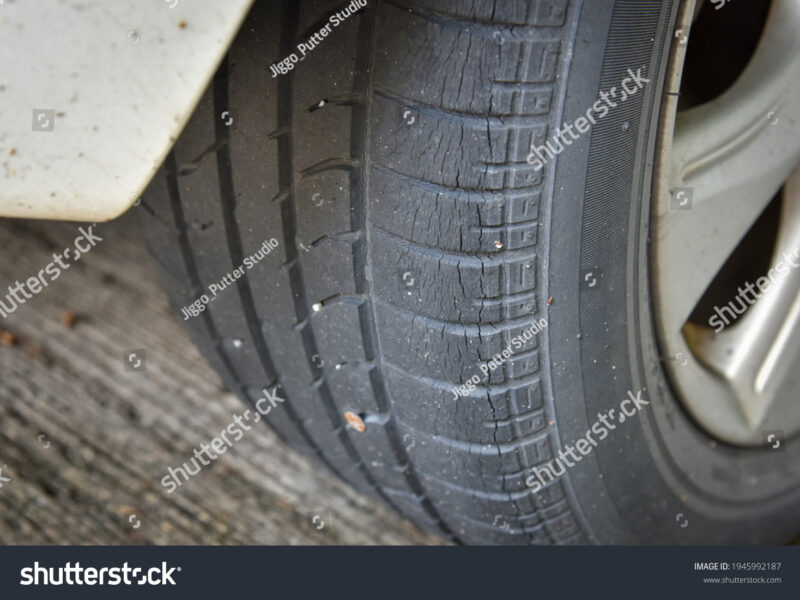
Car tires serve as a vital connection between a vehicle and the road, fundamentally influencing vehicle performance, fuel efficiency, and safety measures. Choosing the correct tires is critical, as it can greatly affect your overall driving experience and the likelihood of avoiding accidents. This detailed guide offers essential information to assist buyers in selecting the best automotive rubber tailored to their specific needs and driving conditions.
Understanding the Components of a Car Tire
A car tire comprises several key components that work together to provide optimal performance and structural integrity. The tread is the outer surface featuring various grooves and patterns designed for traction and water displacement. The sidewall is the vertical section located between the tread and the wheel rim, housing essential information such as tire size, load index, and speed rating. The bead is a robust loop of steel wire encased in rubber, vital for forming an airtight seal with the wheel rim. Lastly, body plies consist of layers of rubber-coated fabric that shape the tire’s skeleton, providing flexibility and strength.
What Are Tire Sizing Considerations for Optimal Vehicle Performance?
Selecting the right tire size is essential for maintaining vehicle safety and performance. Tire size specifications found on a tire’s sidewall, in the vehicle’s owner’s manual, or on a placard located inside the driver’s door consist of three primary numbers: width, aspect ratio, and rim diameter. For example, in the designation P205/55R16, ‘205’ refers to the tire’s width in millimeters, ’55’ signifies the aspect ratio (sidewall height as a percentage of the width), and ‘R16’ indicates a radial tire designed for a 16-inch rim. Adhering to these size specifications ensures optimal handling, braking dynamics, and proper fitting, as incorrect sizing can adversely affect speedometer accuracy, handling characteristics, and may cause contact with vehicle components.
What Different Types of Tires Meet Specific Driving Conditions?
Different tire categories are engineered to enhance vehicle performance across varying driving conditions and climates. The choice of tire type directly impacts safety, handling, and overall durability.
- All-Season Tires strike a balance between performance in diverse weather conditions, including dry, wet, and light snow. They prove suitable for moderate climates but may compromise in extreme conditions.
- Summer Tires are constructed to deliver optimal grip and handling in warm temperatures (typically above 45°F / 7°C) on both dry and wet roads. Their design includes streamlined treads and heat-resistant compounds.
- Winter Tires (or snow tires) are formulated with unique rubber compounds that maintain flexibility in cold temperatures, enhancing traction on snow, ice, and freezing surfaces. They feature deep grooves and sipes designed for greater biting edges.
- Performance Tires focus on agility, speed, and responsive handling, often characterized by stiffer sidewalls and specialized tread compounds that provide enhanced grip. Ultra-high-performance (UHP) variants cater to sports cars and spirited driving.
- All-Terrain Tires exhibit aggressive tread patterns and reinforced sidewalls that deliver robust traction and durability for both on-road and off-road conditions, making them ideal for SUVs and trucks.
- Run-Flat Tires (RFT) are designed with reinforced sidewalls that sustain the vehicle’s weight post-puncture, allowing continued mobility for a limited distance at reduced speeds, thereby eliminating the immediate need for a spare tire.
The following table captures a comparison of attributes across common tire types:
| Tire Type | Primary Use | Key Characteristics | Pros | Cons |
|---|---|---|---|---|
| All-Season | Moderate climates, everyday driving | Versatile tread, moderate performance in varied conditions | Year-round usability, cost-effective | Compromise in extreme weather performance |
| Summer | Warm weather, dry/wet roads | Optimized grip, heat-resistant compounds | Superior handling in warm conditions | Poor in cold or snowy conditions |
| Winter | Snow, ice, and freezing temperatures | Flexible rubber, deep sipes and grooves | Excellent traction in cold weather | Accelerated wear in warm weather |
| Performance | Sports cars and spirited driving | Stiffer sidewalls, advanced tread compounds | Enhanced handling and responsiveness | Shorter tread life, higher expense |
| All-Terrain | Combined on-road and off-road driving | Aggressive tread, reinforced sidewalls | Durable, good traction on various surfaces | Potentially noisy, reduced fuel efficiency |
| Run-Flat | Temporary mobility post-puncture | Reinforced sidewalls | Maintains mobility after deflation | Harsher ride quality, higher maintenance costs |
How Do Tread Patterns Affect Tire Functionality?
The tread pattern of a tire significantly influences its traction, handling, noise levels, and water displacement capabilities. There are three primary tread patterns:
- Symmetrical Tread Patterns have a consistent design across the entire tire, ensuring predictable handling and performance under various conditions, commonly found in all-season or touring tires. They typically provide a quieter ride and promote longer tread life.
- Asymmetrical Tread Patterns feature differing designs on the tire’s inner and outer halves, each tailored for specific conditions. The inner section often possesses deeper grooves for enhanced wet traction, while the outer side may feature larger blocks optimized for dry performance and cornering. This design maximizes overall performance by balancing wet and dry handling capabilities.
- Directional Tread Patterns are designed to rotate in one direction, characterized by V-shaped grooves that excel at water evacuation. This configuration minimizes hydroplaning risks and improves wet traction at high speeds, making them common in winter and some performance tires.
What Are Tire Ratings (UTQG) and Their Importance for Buyers?
The Uniform Tire Quality Grade (UTQG) standards, established by the National Highway Traffic Safety Administration (NHTSA), offer comparative ratings for passenger tires based on treadwear, traction, and temperature resistance. These ratings are available on the tire’s sidewall, aiding consumers in making informed purchasing decisions.
- Treadwear is a numerical value indicating the expected wear rate of a tire compared to a control tire graded at 100. A higher number, such as 400, implies that the tire could last four times longer than the control tire under specified testing conditions. While useful for intra-brand comparisons, treadwear ratings may vary across different manufacturers.
- Traction grades range from AA to C, determining a tire’s ability to stop on wet pavement during controlled braking tests. An AA rating indicates superior wet traction, though this does not account for cornering or hydroplaning effects.
- Temperature grades range from A to C and represent a tire’s thermal resistance capability. An ‘A’ rating signifies excellent heat resistance at speeds exceeding 115 mph, while ‘C’ is the minimum standard required for sales in the US.
In addition to UTQG ratings, two other essential measures include the Load Index and Speed Rating. The load index reflects the maximum weight a single tire can safely support at maximum inflation, while the speed rating denotes the maximum speed at which the tire is rated for safe operation. Choosing tires that meet or exceed the vehicle manufacturer’s specifications for these ratings is crucial for safety and optimal performance.
How Can Proper Tire Maintenance Extend Lifespan and Improve Safety?
Regular tire maintenance is essential for maximizing the lifespan of your tires, enhancing fuel efficiency, and ensuring vehicle safety. Consistent inspections and proactive care can thwart premature tire failure while maintaining optimal driving dynamics.
- Tire Pressure: Keeping the correct tire pressure, as indicated by the vehicle manufacturer, is paramount. Under-inflated tires diminish fuel efficiency, lead to uneven wear, and exponentially increase the risk of blowouts due to heat build-up. Conversely, over-inflated tires produce a harsh ride and diminish traction. Utilizing the Tire Pressure Monitoring System (TPMS) can alert drivers to significant under-inflation. Regular monthly checks and validations prior to long trips are recommended.
- Tread Depth: Adequate tread depth is crucial for securing traction, particularly on wet or icy surfaces. A simple penny test can be performed: if Lincoln’s head is entirely visible when inserted upside down into a tread groove, it’s time for replacement, as tread depth falls below the legal threshold of 2/32nds of an inch. Regular monitoring of tread depth helps identify wear patterns that may indicate broader vehicle issues.
- Tire Rotation: Periodic tire rotation, generally every 5,000 to 8,000 miles, promotes even wear across all four tires. This practice extends tire longevity as the front and rear tires experience varying rates of wear due to steering, braking, and weight distribution.
- Wheel Alignment: Proper alignment of your wheels ensures that tires meet the road at the correct angle, minimizing uneven wear while enhancing handling capabilities. Misalignment can stem from impacts or general wear and tear, causing pulling, vibrations, and rapid tire wear. Regular alignment checks are recommended to maintain vehicle stability and maximize tire life.
By adhering to these maintenance practices, drivers not only prolong the life of their tires but also contribute to the overall health and efficiency of the vehicle. Just like optimizing engine health requires attention to components like oil filters, tires demand regular care for peak performance and life longevity. Moreover, tires significantly affect braking performance; pairing the right tires with well-maintained green stopping power brake pads is essential for ensuring comprehensive vehicle safety.
Frequently Asked Questions About Buying New Tires
How often should car tires be replaced?
The frequency of tire replacement varies based on factors like treadwear, age, driving conditions, and maintenance efforts. While tread depth serves as a primary indicator (replacement recommended when tread wears to 2/32nds of an inch), experts advise tire replacement after six years, regardless of visible wear, and definitely after ten years from the manufacture date indicated on the sidewall. Regular inspections are imperative to detect damage or excessive wear necessitating earlier replacements.
Is it safe to mix different tire brands or types?
Generally, mixing different tire brands or types on the same vehicle is inadvisable, particularly when this involves varying tread patterns or seasonal capabilities. Using mismatched tires can adversely affect handling, braking, and overall stability, as each tire may react differently to road conditions. If a partial tire replacement is necessary, new tires should ideally be fitted on the rear axle to maintain stability, and they should match the existing tires in type and size. For optimum safety, purchasing a complete set of four identical tires is always the best approach.
What is the significance of the DOT code on a tire?
The DOT code, or Department of Transportation code, is a federally mandated identifier located on every tire’s sidewall. This alphanumeric sequence provides crucial manufacturing information, encompassing the plant code, tire size, and the date of manufacture (week and year). For example, a code like “3523” indicates production in the 35th week of 2023. This code is vital for tracking tire recalls and assessing tire age, which is a critical determinant of replacement timing, even when tread wear is minimal.