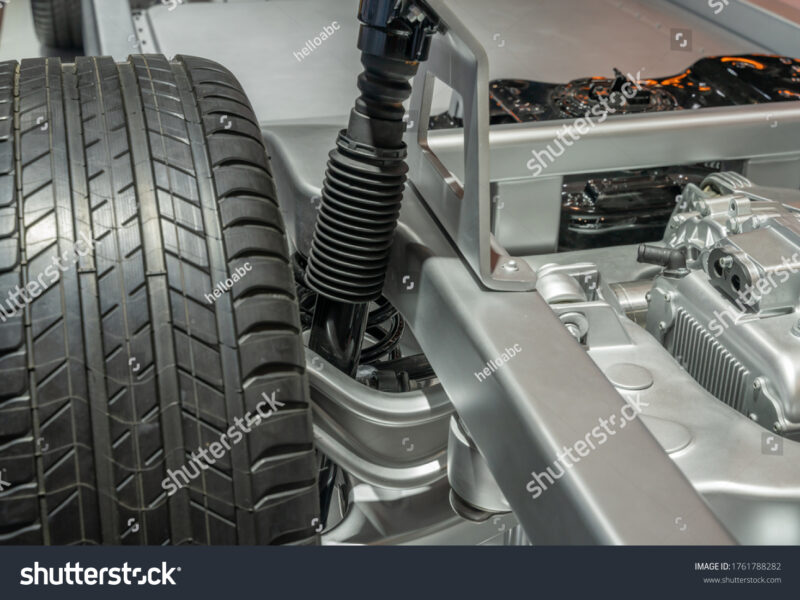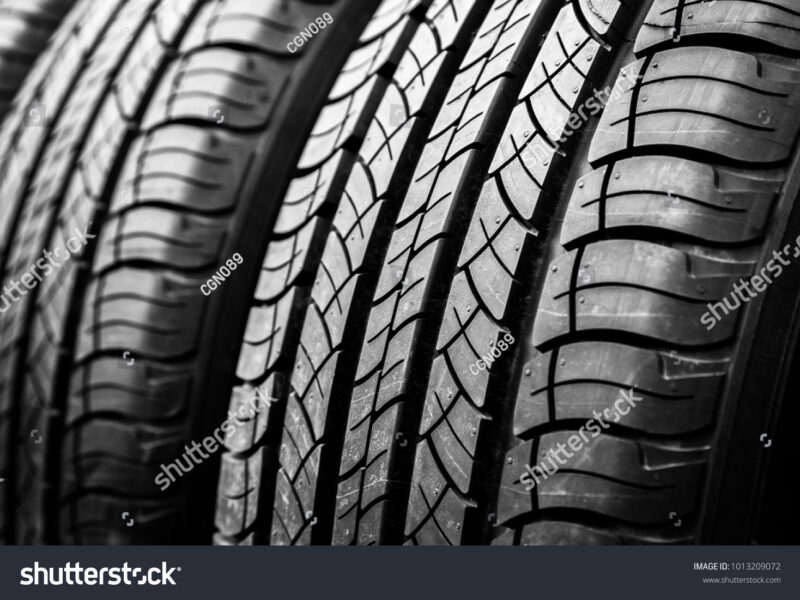
Choosing the best tires for your electric vehicle (EV) is a critical decision that directly impacts its range, longevity, and overall driving experience. Unlike conventional gasoline-powered cars, EVs possess unique characteristics such as heavier battery packs and instant torque delivery, demanding specialized tire designs to optimize performance and efficiency.
The right EV-specific tires are engineered to withstand these unique forces while simultaneously minimizing rolling resistance to extend battery range, managing increased vehicle weight, and reducing cabin noise for a more comfortable ride. Investing in these specialized tires can lead to significant long-term benefits, including improved durability and notable reductions in electricity expenses over the vehicle’s lifespan.
Why Do Electric Vehicles Demand Specialized Tires?
Electric vehicles present a distinct set of challenges for tire manufacturers due to their inherent design and operational characteristics. One of the most significant factors is their substantial weight. Most modern electric cars weigh at least 3,500 pounds, with some models, such as the Tesla Model S, weighing approximately 4,941 pounds, and other models exceeding 5,000 pounds due to their heavy battery packs.
This increased mass places considerably greater stress on tires compared to lighter internal combustion engine (ICE) vehicles. To counteract this, EV tires require reinforced constructions and robust rubber compounds to manage higher axle loads and resist premature wear.
Another crucial factor is the instant torque delivered by electric motors. Unlike gasoline engines that build power gradually, EVs provide maximum torque from a standstill, leading to rapid acceleration. While exhilarating, this instant power delivery can cause accelerated tire wear if the tires are not specifically designed to handle these sudden bursts of force. This phenomenon is why EV tires experience accelerated wear compared to traditional gas vehicle tires.
Furthermore, the quiet operation of electric powertrains makes road noise much more noticeable inside the cabin. Specialized EV tires often incorporate advanced noise-reduction technologies, such as sound-absorbing foam layers or computer-optimized tread patterns, to ensure a quieter and more refined driving experience.
Key Characteristics of High-Performance EV Tires
High-performance tires for electric vehicles are meticulously engineered to balance several critical attributes, moving beyond the traditional trade-offs seen in conventional tire design. A primary focus is on achieving low rolling resistance (LRR). LRR tires require less energy to move, directly translating to improved energy efficiency and extended battery range—a crucial consideration for EV owners. Optimizing rolling resistance can significantly impact an EV’s range, potentially affecting it by several percentage points.
Given the heavier nature of EVs, tires must possess a robust load capacity. EV-specific tires typically feature a higher load rating, often indicated by “XL” (Extra Load) or “HL” (High Load) on the sidewall, denoting a reinforced construction capable of safely supporting the additional weight of battery packs. For example, a Rivian R1S electric SUV may require tires with a load index of 109-113, higher than a typical ICE SUV.
Specialized tread compounds, frequently incorporating high-silica formulations, are also vital. These compounds are designed to provide superior grip for immediate torque delivery and effective regenerative braking, while simultaneously resisting premature wear caused by these forces. They balance traction with durability, ensuring safety and longevity.
Lastly, noise reduction is a significant characteristic. Many EV tires, like those featuring Pirelli’s Noise Cancelling System (PNCS) or Goodyear’s SoundComfort Technology®, include foam sub-tread layers and optimized tread patterns to absorb sound and reduce cabin noise, which would otherwise be more prominent in a quiet EV interior.
Recommended Tire Models for Enhanced Range and Longevity
Selecting the right tire model can profoundly enhance an EV’s performance. Several manufacturers have developed excellent EV-specific tires that address the unique demands of electric vehicles. For a comprehensive overview, consider consulting our Top 5 Tires for Electric Vehicles in 2023 article.
The Michelin Pilot Sport EV is a premier choice for performance-oriented EVs, leveraging experience from Formula E. It’s engineered with an ElectricGrip Compound for strong center grip during quick starts and boasts a 15% increase in cornering stiffness compared to its non-EV counterpart. This tire can add over 60km, or more than 10%, to an EV’s initial range due to its low rolling resistance.
For those prioritizing a balance of longevity, quiet operation, and all-season capability, the Pirelli P Zero All Season Plus Elect is highly regarded. This tire is an ultra-high performance all-season option specifically designed for BEVs, offering enhanced handling, grip, and outstanding treadwear. It includes Pirelli’s Noise Cancelling System (PNCS) with sound-absorbing foam to reduce cabin noise. Owners have reported good quietness and smoothness with this tire.
The Goodyear ElectricDrive GT is another excellent option, particularly for Tesla models and other high-performance EVs. It features a specialized tread compound for long-lasting tread life and an asymmetric tread pattern for confident handling in various conditions. Its SoundComfort Technology effectively reduces interior vehicle noise. The Goodyear ElectricDrive 2 also offers an extended tread life for more miles per set.
The Continental EcoContact 6 is often found as original equipment (OE) on many new EVs, including BMW, GM, Mercedes-Benz, Mini, and Tesla, due to its efficiency and quietness. It features a Green Chili™ 2.0 compound for enhanced mileage and maximum fuel efficiency, with rolling resistance more than 15 percent above EU tire label class A requirements. This tire can contribute to a 10-15% increase in range. For further insights into key features, refer to our guide on Best Tires for Electric Vehicles: What You Need to Know.
Understanding Load Indexes and Speed Ratings for Your EV
The load index and speed rating are critical tire specifications, particularly for electric vehicles due to their increased weight and performance capabilities. The load index is a numerical code on the tire’s sidewall that specifies its maximum load-bearing capacity. For EVs, whose battery packs can add hundreds of pounds, requiring tires with a suitable load rating is crucial to safely carry the vehicle’s weight. Most EVs require tires with an XL (Extra Load) or even HL (Heavy Load) rating, which indicates a reinforced construction designed to handle higher loads than standard tires.
For instance, while a conventional SUV might use tires with a load index of 103-108, an electric SUV like the Rivian R1S typically demands tires with a higher load index, such as 109-113. It is essential to never downgrade the load index recommended by your vehicle’s manufacturer, which can usually be found on the tire placard inside the driver’s side door.
The speed rating, represented by a letter on the sidewall, indicates the maximum speed at which the tire can safely perform for sustained periods. While EVs are often electronically limited in top speed, their instant torque and rapid acceleration mean that tires must be capable of handling high speeds without compromising stability. Common speed ratings for performance EVs include V (up to 149 mph), W (up to 168 mph), and Y (up to 186 mph).
Choosing tires with appropriate load and speed ratings ensures that the tires can safely support the EV’s weight and manage its dynamic performance characteristics. Selecting tires that meet or exceed these OEM specifications is paramount for both safety and optimal vehicle performance.
| Tire Model | Key Feature for EV | Approximate Load Index Range (Typical EV Sizes) | Speed Rating (Common) | Noted Benefit for Range/Longevity |
|---|---|---|---|---|
| Michelin Pilot Sport EV | ElectricGrip Compound, Acoustic Foam | 100-112 (XL/HL) | W, Y | >10% or 60km extra range (LRR), long-lasting treadwear |
| Pirelli P Zero All Season Plus Elect | PNCS (Noise Cancelling System), High-Silica Tread | 96-101 (XL) | W, Y | Enhanced range, high mileage longevity (50,000-mile warranty) |
| Goodyear ElectricDrive GT | SoundComfort Technology®, Specialized Tread Compound | 96-104 (XL) | W | Low rolling resistance for extended range, long-lasting tread life (40,000-mile warranty) |
| Continental EcoContact 6 | Green Chili™ 2.0 compound, ContiSilent | 95-100 (SL/XL) | V, W (EV-compatible) | 10-15% increased range, enhanced mileage, maximum fuel efficiency |
| Bridgestone Turanza EV | EV-specific compound, Enliten Technology | 98-106 (XL) | V, W | Reduced rolling resistance, smooth and stable performance, 50,000-mile warranty |
Practical Tips for Maximizing EV Tire Lifespan and Range
Optimizing the lifespan and range of your EV tires extends beyond selecting the correct models; it also involves diligent maintenance and informed driving habits. Properly maintaining tire pressure is perhaps the most crucial factor. Under-inflated tires significantly increase rolling resistance, which directly reduces your EV’s range and accelerates wear. Always refer to your vehicle’s door jamb placard or owner’s manual for the manufacturer’s recommended cold tire pressure, as this can vary by model and tire configuration. For instance, a Tesla Model S typically recommends 40-42 psi, while a Model 3 suggests 42 psi.
Regular tire rotation is equally vital for promoting even wear across all four tires, especially given the instant torque and heavier weight distribution of EVs. Uneven wear patterns can develop quickly without proper rotation, leading to a shorter overall tire lifespan. Following the manufacturer’s recommended rotation schedule, typically every 5,000 to 7,500 miles, can significantly extend the life of your EV tires.
Furthermore, driving style plays a considerable role. While the instant acceleration of an EV is tempting, aggressive driving, including rapid acceleration and hard braking, places immense stress on the tires, leading to faster degradation. Adopting a smoother driving style, with gentle acceleration and gradual braking (utilizing regenerative braking effectively), can substantially reduce tire wear and improve energy efficiency, thereby extending both tire life and battery range.
Finally, routine wheel alignment checks and balancing are important to prevent premature or irregular tire wear. Misaligned wheels can cause tires to drag, leading to increased rolling resistance and uneven tread wear. Regular checks by a qualified technician ensure that your tires are always operating at their optimal performance and efficiency, further contributing to the long-term value of your EV.
FAQs
Do EV-specific tires actually improve range?
Yes, EV-specific tires are engineered with advanced materials and tread designs, such as specialized low rolling resistance (LRR) compounds, to minimize friction with the road. This reduction in rolling resistance means the vehicle consumes less energy to maintain motion, directly translating to an extended driving range per charge. Some EV-specific tires, like the Michelin Pilot Sport EV or Continental EcoContact 6, can increase an EV’s range by 10-15% or even up to 60km, depending on the vehicle and driving conditions.
How often should I rotate my EV tires to extend their life?
To maximize the lifespan of your EV tires, it is generally recommended to rotate them every 5,000 to 7,500 miles. This regular rotation helps to promote even wear across all four tires, counteracting the effects of instant torque and the heavier weight distribution common in electric vehicles. Consistent rotation prevents premature wear patterns and ensures you get the full mileage potential from your specialized EV tires.
What is the ideal tire pressure for electric vehicle tires?
The ideal tire pressure for electric vehicle tires is specified by the vehicle manufacturer and can be found on the tire placard located inside the driver’s side door or in your owner’s manual. It is crucial to follow these specific recommendations, as EV tire pressures are often higher than those for traditional vehicles due to the increased vehicle weight and to optimize low rolling resistance. For example, Tesla Model S typically recommends 40-42 psi, while Model 3, Y, and X often recommend 42 psi. Always check tire pressure when the tires are “cold,” meaning before driving or at least three hours after a drive.
Are all-season tires suitable for electric vehicles?
Yes, many all-season tires are suitable for electric vehicles, especially those designed with EV-specific considerations. Brands like Pirelli (P Zero All Season Plus Elect), Goodyear (ElectricDrive GT), and Yokohama (ADVAN Sport EV A/S) offer all-season options tailored to handle the unique demands of EVs, including higher load capacity, instant torque, and noise reduction. These tires aim to provide a balance of performance, longevity, and efficiency year-round, making them a practical choice for many EV owners who do not experience extreme winter conditions.